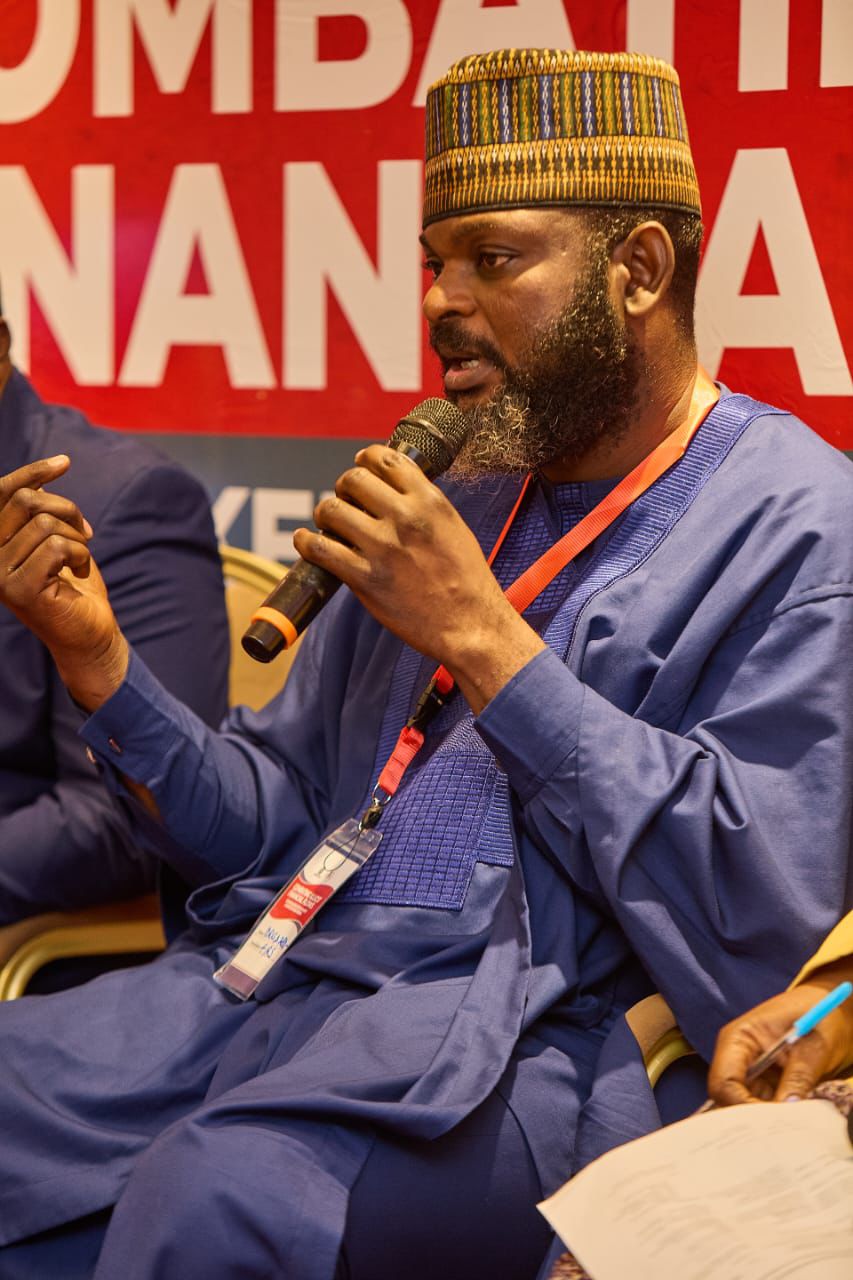
By Abdallah Idris Muhammed (AIM)
© AIM
Why Nigerians Deserve Accountability from the United States
The recent announcement of visa restrictions by the United States government has sent shockwaves across Nigeria, raising both practical and ethical questions about the integrity of international agreements. U.S. Ambassador to Nigeria, Richard Mills, sought to reassure the public that the presidential proclamation, effective January 1, 2026, was a security measure rather than a punitive action against Nigerians. The announcement coincided with the visit of a United States Congressional Delegation to Abuja.
Ambassador Mills emphasized that the visa review focused on proper vetting and credible information, noting that exemptions applied to holders of official, diplomatic, and religious passports. Representative Bill Huizenga further explained that similar measures are applied globally and are intended to encourage compliance and cooperation, not to punish ordinary citizens.
These assurances, however, raise deeper questions about the social contract between the United States and Nigerian visa applicants.

The Visa as a Contract: Payment and Expectation
Every applicant for a U.S. visa enters into an implicit agreement with the United States.





First, there is payment by the applicant. Nigerians pay substantial visa fees, often for five-year multiple-entry visas, as an expression of trust in the promises and reliability of the U.S. government.
Second, there is an obligation by the United States. In return, the U.S. guarantees access and lawful use of the visa under its stated terms, provided the holder complies with the law and conducts themselves responsibly.


This arrangement is straightforward and mutually binding. Payment is made upfront, and service is expected in good faith.
When visas are cancelled or severely restricted after payment, without refund or redress, that social contract is effectively breached. What was sold as access and opportunity is withdrawn after the fact.
Transparency and Integrity: Demands, Not Complaints
The United States has long built its global reputation on fairness, due process, and transparency. These principles are not rhetorical flourishes; they are central to institutional credibility.
If visa holders are denied services they have already paid for, history may record such actions as indistinguishable from advanced-fee practices the U.S. routinely condemns abroad. That is not an accusation; it is a reputational risk.
Basic fairness therefore requires that the U.S. government:
- Refund visa fees proportionate to the unused duration of cancelled or restricted visas
- Publish a clear and accessible explanation of who is affected and why
- Establish a transparent appeals and reimbursement mechanism
Integrity must move beyond language and be demonstrated through action.
The Ethical Dimension: Representation and Reciprocity
Nigerian visa holders are not passive beneficiaries. They contribute meaningfully to American universities, businesses, and communities. They pay tuition, invest capital, provide labor, and strengthen cultural and professional ties between both countries.
Cancelling visas after payment, without compensation or explanation, sends a troubling signal: that compliance, contribution, and good conduct do not matter once fees have been collected.
Such actions weaken decades of people-to-people diplomacy and undermine trust in bilateral engagement.
Congress Must Act: Accountability at the Highest Level
The responsibility to preserve fairness does not rest with diplomats alone. The U.S. Congress must intervene to ensure transparency and accountability.
This includes:
- Investigating the impact of visa restrictions on prepaid applicants
- Mandating refunds or compensation where services are withdrawn
- Providing clear guidance on exemptions, appeals, and implementation timelines
- Publicly affirming how contractual integrity will be preserved
These steps are not hostile to the United States. They protect its moral authority.
Visa Policy Is a Moral Signal
Visa policy is not merely administrative. It communicates trust, reciprocity, and institutional reliability.
When fees are collected for a lawful service that is later withdrawn without remedy, the issue ceases to be technical and becomes ethical. It tests whether powerful nations apply the principles they champion globally to their own actions.
Nigerians do not oppose security checks. They demand fairness and respect for agreements already made.
Conclusion: Integrity Must Accompany Security
Security is essential. Borders must be protected and risks mitigated. But security cannot come at the expense of honesty and contractual respect.
If the United States values its relationship with Nigeria, it must address the financial commitments it has already accepted. Refunds, transparency, and accountability are not concessions, they are obligations.
A nation that demands payment must deliver service. Anything less invites lasting questions about integrity.
History will remember how commitments were handled. Let it remember fairness, not arbitrary denial.
Abdallah Idris Muhammed (AIM)
© AIM