
By Newspot Nigeria Global Desk
London—A UK-based Nigerian surgeon has entered the rapidly expanding global health technology sector with the launch of an artificial intelligence platform designed to address one of healthcare’s most persistent operational challenges: clinical triage and specialist referral delays.
Dr. Abduljabar Hamza, founder of London-based health technology startup AiMedTech, has introduced MedBridge, an AI-driven clinical triage and referral optimisation system designed to integrate directly with hospital electronic medical record systems.
The platform is designed to assist clinicians in prioritising patient cases, directing individuals to the appropriate specialties, and reducing costly delays in treatment pathways that often slow healthcare delivery across large medical systems.

Healthcare systems across Europe and other advanced economies are currently facing significant structural pressure. Workforce shortages, aging populations, and record patient waiting lists have placed unprecedented strain on hospitals and national health systems.





In the United Kingdom, waiting lists within the National Health Service (NHS) remain historically elevated following pandemic-era disruptions, pushing policymakers and administrators to explore scalable digital tools capable of improving efficiency without expanding workforce capacity.
AiMedTech is positioning MedBridge not as a standalone application but as foundational infrastructure within hospital systems. The company has described its ambition as becoming the “Stripe for clinical triage,” referencing the global payments company whose software quietly powers large segments of online commerce behind the scenes.


The analogy reflects the startup’s strategy: embedding AI into healthcare systems as a background processing layer that standardises, manages, and optimises referral flows across complex hospital networks.
To accelerate development and regulatory readiness, the company has opened a funding round under the United Kingdom’s Seed Enterprise Investment Scheme (SEIS) and Enterprise Investment Scheme (EIS). The funding will support regulatory compliance, engineering expansion, and pilot deployments.
According to AiMedTech, early engagement has already taken place with stakeholders connected to the NHS, alongside exploratory discussions with health system actors within the European Union.
Artificial intelligence deployment in healthcare remains highly regulated, particularly within publicly funded systems. Technologies such as MedBridge must meet strict requirements relating to clinical evidence, transparency, explainability, and data governance.
Compliance with evolving UK and EU AI regulatory frameworks will be critical to securing large-scale adoption.
Dr Hamza’s medical background forms a central pillar of the company’s credibility. He obtained his Doctor of Medicine (MD) degree from Charles University in Prague between 2014 and 2020 and is currently undertaking a ChM in Trauma and Orthopaedic Surgery at the University of Edinburgh (2024–2026).
He also holds a postgraduate certificate in medicine and is certified by the Educational Commission for Foreign Medical Graduates (ECFMG) for United States medical licensing.
In 2025, Dr Hamza was recognised among the “300 Faces of Edinburgh Medical School,” a tercentenary honour awarded to individuals considered to be contributing to the future direction of modern medicine.
Unlike many digital health startups founded primarily by software engineers, AiMedTech’s platform has been shaped by direct clinical and surgical experience. The company believes this perspective allows it to address real workflow challenges faced by doctors within hospital systems.
Whether MedBridge can translate this vision into procurement contracts within large public health systems remains to be seen.
However, if deployed at an institutional or national scale, the platform would be operating within a global healthcare IT market valued in the tens of billions of dollars annually.
For Nigeria, the development highlights the growing influence of diaspora professionals building companies at the intersection of medicine, artificial intelligence, and global healthcare infrastructure.
For the global health industry, it represents another attempt to apply artificial intelligence not only to diagnostics but to the complex operational systems that determine how quickly and effectively patients receive care.
This report was compiled by the editorial desk of Newspot Nigeria, which continues to track global innovations and the growing impact of Nigerian professionals shaping industries around the world.


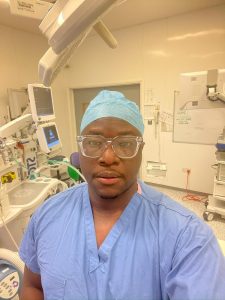
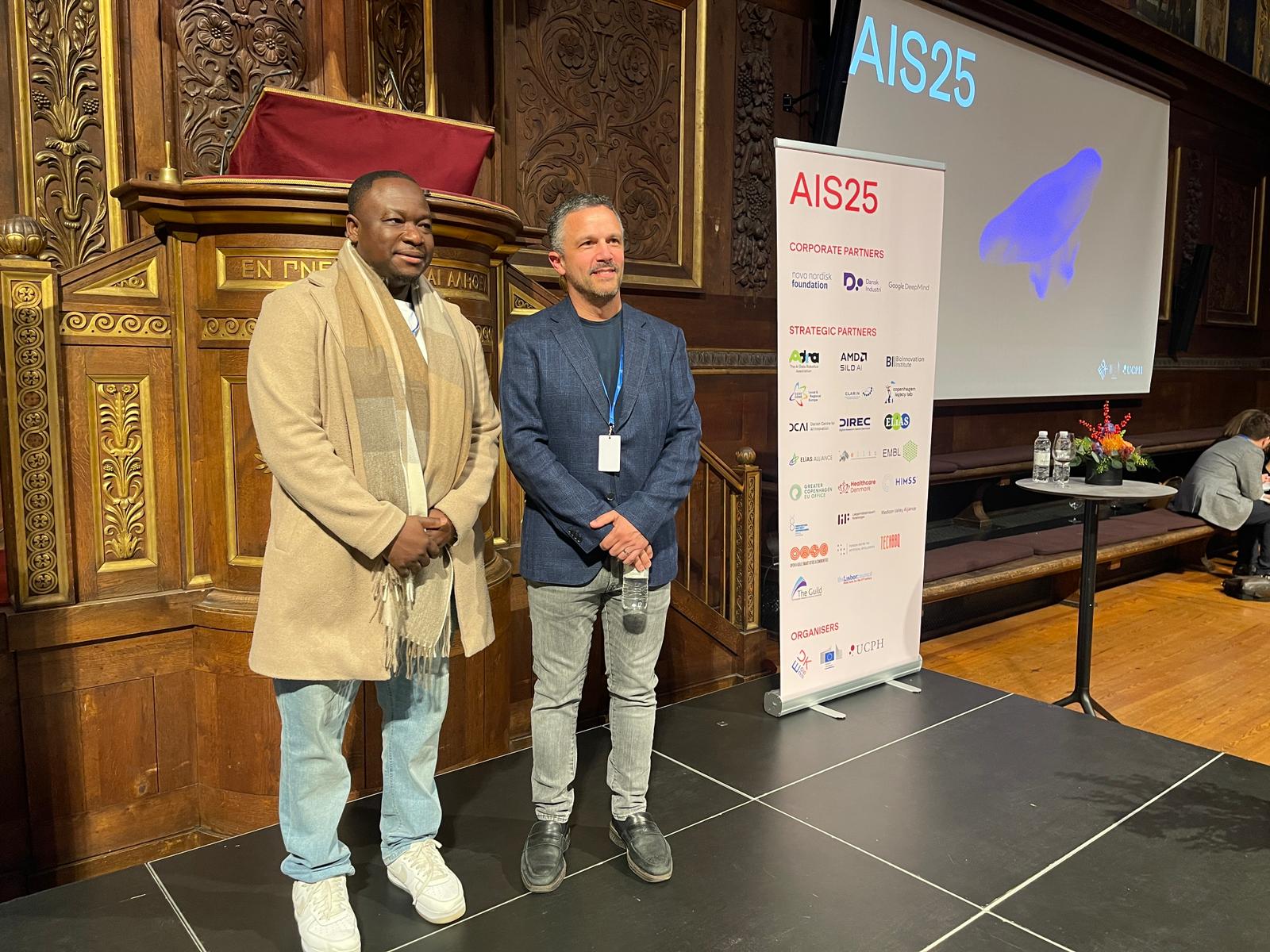
Credit: Dr Abduljabar Hamza