

By — Newspot Nigeria


One of the world’s busiest aviation hubs has been forced to shut down after missile strikes linked to the escalating Iran–Israel conflict disrupted airspace across the Middle East, grounding flights and stranding thousands of travelers.
Authorities confirmed that all operations at Dubai International Airport were suspended on Sunday after a missile strike caused minor structural damage to one of its concourses. Four airport staff members were injured and received medical treatment, according to airport officials. Operations were also halted at Dubai World Central, as well as airports in Abu Dhabi and Doha.
Travelers in Dubai reported hearing fighter jets overhead and explosions across the city. One missile struck the Fairmont Palm Hotel, underscoring the widening reach of the conflict beyond traditional military targets.

Airport officials said most terminals had already been cleared under existing contingency plans and urged passengers not to travel to airports until further notice. Airlines advised travelers to monitor updates directly, as flight schedules remain highly unstable.





The shutdown triggered significant disruptions to long-haul flights already en route from the United States. Two Emirates Airlines flights departing California were forced to divert midair. A flight from San Francisco landed instead in Munich, while another departing Los Angeles was redirected to Rome. Several inbound and outbound Emirates flights scheduled for Sunday were canceled outright.
Airspace closures quickly spread across the region. Authorities confirmed that skies over Israel, Qatar, Syria, Iran, Iraq, Kuwait, Bahrain, Oman, and the United Arab Emirates were closed, effectively severing one of the world’s most heavily trafficked aviation corridors.


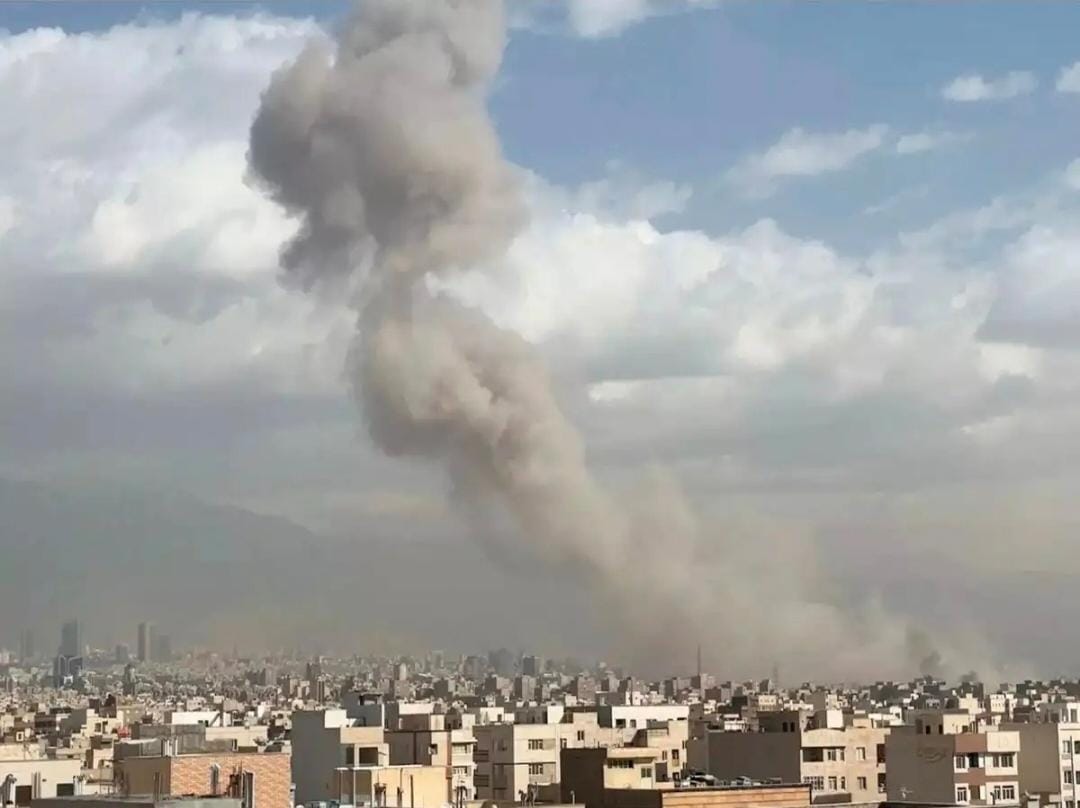
The aviation crisis comes as U.S.–Israeli military operations against Iran entered a second day following reports that Iranian Supreme Leader Ayatollah Ali Khamenei was killed during coordinated strikes. Explosions were reported in Tehran as Israel said it was pushing attacks into the heart of the Iranian capital.
Iran responded with missile and drone strikes targeting Israel, U.S. military installations across the Gulf, and key regional capitals, including Dubai. Iran’s Revolutionary Guard warned that further operations would intensify, describing the unfolding campaign as its most aggressive response yet.
As airlines, governments, and security agencies reassess risks in real time, global aviation routes remain in flux, with ripple effects expected across Europe, North America, Asia, and Africa.