From Dispatch Room
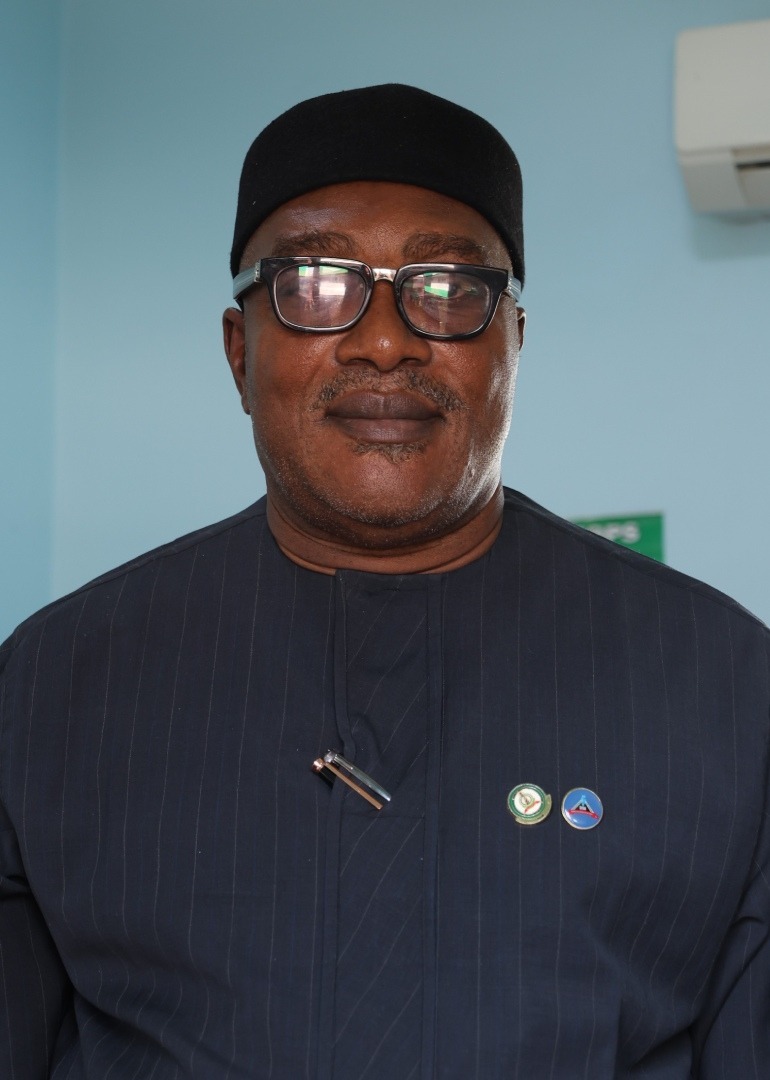
Former Director of the Department of State Services, Mike Ejiofor, has called for a more diversified approach to Nigeria’s defence procurement and international security partnerships, warning that the country cannot afford to depend on limited or strained alliances in its fight against insecurity.
Ejiofor made the call during an interview on Frontline, a current affairs programme on Eagle 102.5 FM, Ilese-Ijebu, Ogun State, while responding to concerns over Nigeria’s access to weapons amid ongoing global conflicts involving major powers.
He said the wars involving countries such as Russia, Ukraine, Iran, Israel and the United States may affect traditional arms supply channels, but Nigeria still has alternatives it can explore to meet its defence needs.

According to him, Nigeria could look toward countries such as Turkey, China and other willing partners for defence support, especially where existing arrangements with some major powers are delayed or complicated by global tensions.





“The minister of defence made that allegation apparently. If there were orders placed, we have other options. We can go to Turkey, China and other areas that can help us,” Ejiofor said.
The former DSS director also acknowledged Nigeria’s existing security cooperation with the United States but questioned whether the partnership has produced enough visible results in recent years.


He said Nigeria must critically assess whether international security collaborations are translating into measurable improvements in counterterrorism operations and internal security outcomes.
Ejiofor also raised concerns over the creation of the Office of the Special Adviser on Homeland Security by President Bola Tinubu, warning that unclear mandates could create institutional overlap and tension within the country’s security architecture.
He said the idea may have been inspired by the United States homeland security model, but stressed that Nigeria must clearly define the responsibilities of the new office and the Office of the National Security Adviser to avoid conflict.
“Until the jobs of the NSA and this new special adviser are clearly defined, there is bound to be conflict among the two offices,” he warned.
Ejiofor maintained that Nigeria’s insecurity problem is not only about access to weapons, but also about intelligence, strategy, operational coordination and the capacity of security agencies to act decisively.
He said the country must strengthen its intelligence network, improve coordination among security agencies and ensure that armed groups are confronted from a position of strength.
According to him, negotiations with criminal groups must not be carried out from a position of weakness. He argued that the state should first weaken such groups operationally and compel them to surrender to lawful authority.
“The decisive thing to do is that we should acquire all the necessary skills to deal with these people and bring them to their knees. Let them surrender, but not asking them to come and surrender first,” he said.
Ejiofor also urged citizens to remain cautious and security-conscious, particularly while travelling, given the level of insecurity in several parts of the country.
He said Nigerians must pay attention to their environment and take personal safety seriously while government continues efforts to restore security and bring criminal elements to justice.
— Newspot Nigeria