

By Newspot Nigeria Political Desk


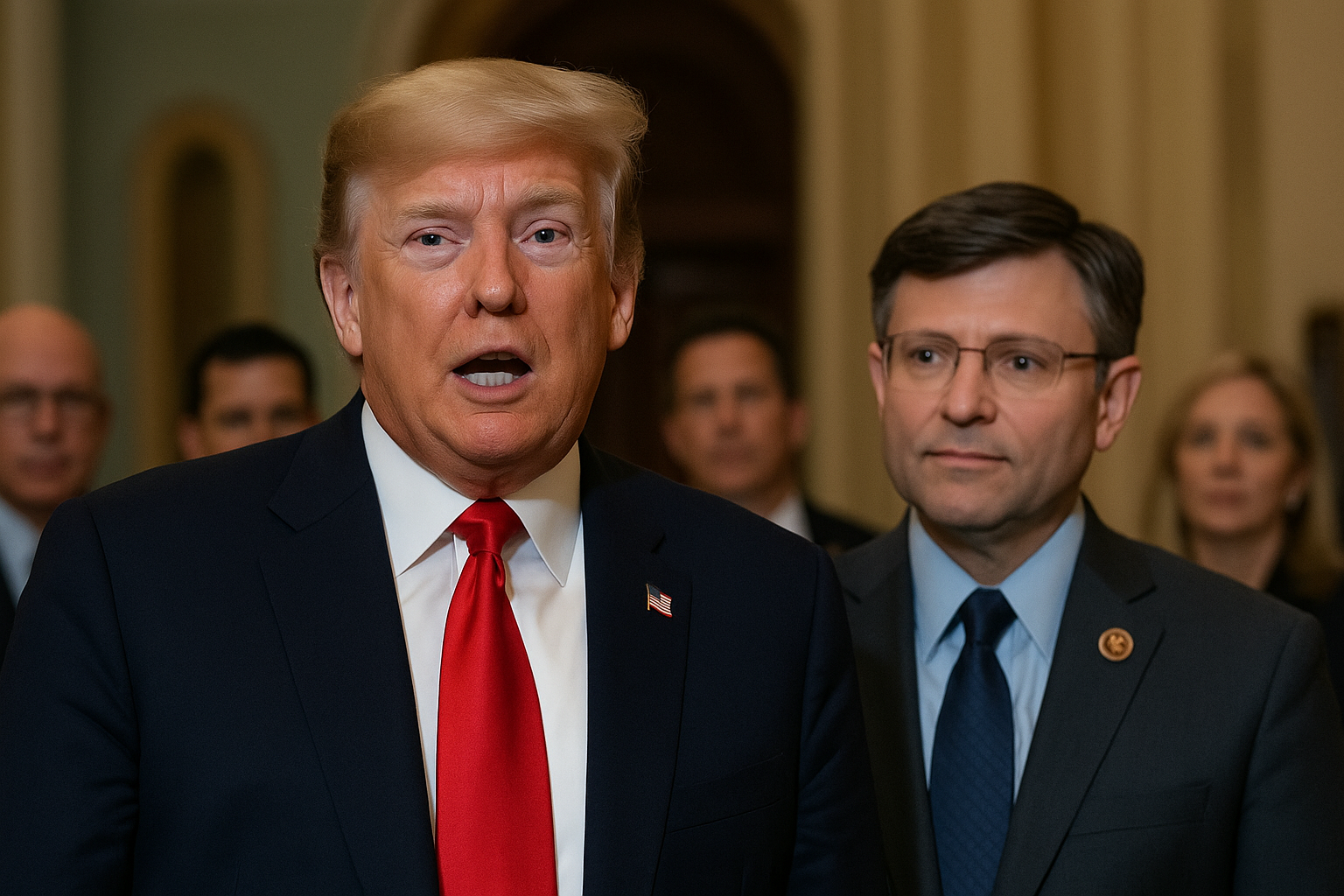
In a dramatic turn that could significantly undermine the U.S. judiciary’s power to enforce the law, Senate Democrats are fighting back against a Republican-backed budget provision that would restrict federal courts from holding Trump administration officials in contempt for defying court orders. The move, embedded deep within a 1,082-page budget bill passed narrowly in the House, is being widely condemned as an attack on the principle of separation of powers.
Legal experts and lawmakers warn the provision could effectively shield government actors — including those under President Donald Trump’s administration — from judicial accountability. The controversial clause would require plaintiffs seeking injunctions against federal actions to post security bonds, a condition that could silence civil rights advocates, immigrants, unions, and watchdogs who often challenge government misconduct.
“This is a slap in the face to the concept of separation of powers,” a spokesman for Senator Chris Coons (D-Del.) said.

Constitutional law scholar Erwin Chemerinsky, dean of UC Berkeley School of Law, labeled the provision “anti-democratic” and “unconstitutional,” emphasizing that it would retroactively nullify hundreds of court orders nationwide. These include rulings related to police reform, school desegregation, immigration protections, and access to tax records.





Democrats on the Senate Judiciary Committee, including Senators Sheldon Whitehouse, Alex Padilla, and Richard Blumenthal, have voiced fierce opposition. They allege that Republicans are weaponizing budget legislation to erode checks and balances, granting the Trump administration de facto immunity from legal consequences.
Senator Whitehouse warned, “As written, it would authorize outright defiance of every single injunction in effect across the country.”


Critics argue the clause has no budgetary relevance and likely violates the Byrd Rule, which limits the use of reconciliation for non-fiscal matters. Senate Parliamentarian review and procedural challenges are expected.
“This isn’t about money; it’s about power — and silencing the courts,” said Bobby Kogan, senior federal budget analyst at the Center for American Progress.
With MAGA loyalists reportedly installed across key agencies and press freedoms under strain, opponents say the budget clause is part of a broader authoritarian drift. The Intercept reports that the Department of Government Efficiency has already curtailed congressional control over spending, while media outlets critical of Trump face growing intimidation.
As the bill heads to the Senate, the coming days may define the future of American constitutional governance. If this clause survives, it could open the door to unchecked executive action with limited judicial recourse.
Stay with Newspot Nigeria for continuing coverage on democracy, power, and global justice.