By Newspot Nigeria Staff Writer

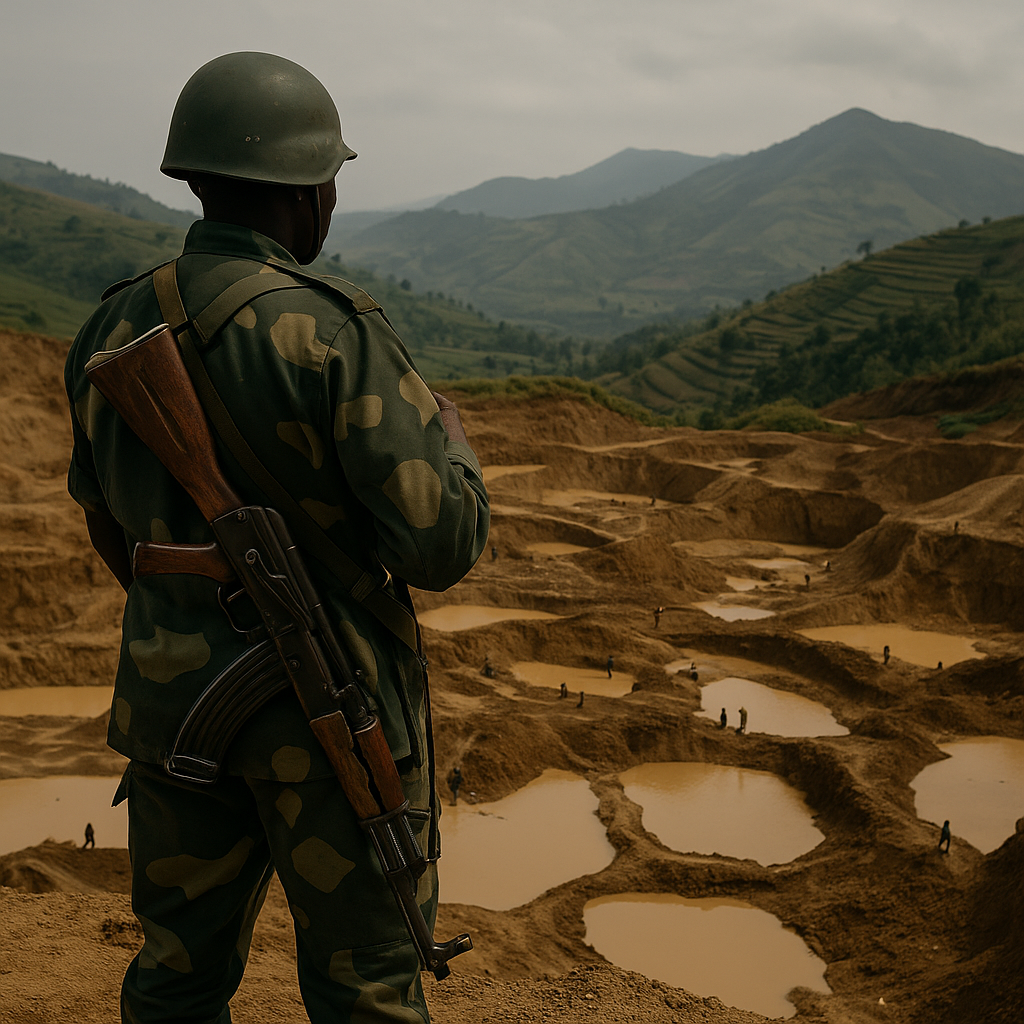
The Democratic Republic of Congo (DRC) is once again facing a deepening humanitarian and political crisis as over 1.1 million people have been displaced by the latest M23 rebel offensive in the country’s eastern provinces. The Rwanda-backed group and its political arm, the Alliance Fleuve Congo (AFC), now control territory nearly eight times the size of Belgium, threatening to expand into central provinces like Tshopo and Kisangani. With an estimated 7,000 civilian deaths, a regional crisis looms.
Uganda’s ambiguous military presence under the guise of combating other militias like CODECO and the Allied Democratic Forces (ADF) further complicates the picture. Meanwhile, the historic presence of the FDLR—remnants of Rwanda’s 1994 genocidal forces—continues to inflame tensions between Kigali and Kinshasa.
Observers say the crisis mirrors the Second Congo War (1998–2003), which drew in eight African militaries and killed millions. However, that conflict was ultimately resolved through the Inter-Congolese Dialogue (ICD) and the Sun City Accords—a model that experts like Paul Nantulya say should inform current peace efforts.

The African Union (AU) has revived regional mediation under a joint framework of the Luanda and Nairobi processes, now led by five former African presidents. Yet two major challenges remain: asserting African-led ownership of the peace process and launching an inclusive, Congolese-led dialogue that addresses both internal grievances and external meddling.




The ICD, mediated by former Botswana President Ketumile Masire and South Africa’s Thabo Mbeki, offers a blueprint. It involved armed and unarmed opposition, civil society, and “Vital Forces” representing diverse interests. Articles from the resulting Accords outlawed military coups, affirmed Congo’s territorial unity, integrated rebel and government forces, and addressed the thorny issue of citizenship for Congolese of Rwandan and Burundian descent.
Yet while the ICD led to a new Constitution, democratic elections, and initial reforms, many of its enforcement mechanisms were later weakened by Congolese elites, including failure to conduct a population census and abolishment of civil society representation in parliament. According to Nantulya, “these setbacks were made possible by the withdrawal of international pressure and regional oversight.”

Today’s conflict once again underscores the need for external stakeholders to sustain pressure, hold parties accountable, and prioritize Congolese voices. Analysts warn that unless lessons from the ICD are implemented—especially inclusive participation and independent monitoring—the DRC may relapse into prolonged conflict.
With the Tshisekedi government relying on local militias and foreign mercenaries amid reports of defections within the national army, the political and security vacuum deepens. The stakes, both for Congo’s future and the stability of the Great Lakes region, are high.
As Nantulya emphasized, “only real political will can guarantee the resolution of the crisis borne of the issue of nationality”—a warning as relevant today as it was at Sun City.
For continued coverage of Africa’s evolving peace and security landscape, stay connected to Newspot Nigeria.