From Dispatch Room







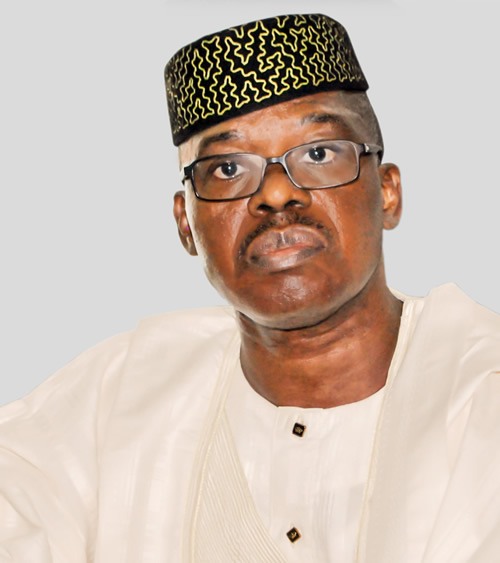
Former Ekiti State Governor, Segun Oni, has expressed concern over the state of Nigeria’s democracy, warning that the country is drifting toward what he described as political opportunism under the guise of a multi-party system.


Oni made the remarks during a media appearance on a current affairs programme in Ogun State, where he addressed issues ranging from economic conditions to governance and political structure.
He acknowledged signs of macroeconomic stability, particularly in exchange rate management, noting that such stability has helped attract investor interest. However, he stressed that improvements in economic indicators have yet to translate into meaningful relief for ordinary Nigerians facing high inflation and rising living costs.
According to him, while stability is necessary to boost confidence, it does not equate to economic prosperity. He added that the current value of the naira remains weak, with continued implications for purchasing power and overall economic well-being.
Oni linked inflationary pressures to both exchange rate dynamics and declining domestic production, particularly in agriculture. He attributed reduced agricultural output to insecurity, which he said continues to disrupt farming activities across the country.
He also called for stronger collaboration between citizens and security agencies, urging Nigerians to provide credible intelligence to support ongoing efforts to combat insecurity.
On economic reforms, including subsidy removal and foreign exchange unification, Oni acknowledged their structural importance but said the immediate impact on citizens has been difficult. He noted that government intervention is needed to ease the burden on households, even as reforms take time to yield results.
The former governor advocated for more structured approaches to social support, suggesting that institutions such as schools and religious organisations could be used to deliver targeted assistance more effectively.
Turning to Nigeria’s political system, Oni raised concerns about the growing number of political parties, arguing that excessive fragmentation weakens democracy and encourages opportunistic behavior.
He suggested that Nigeria should consider reducing the number of registered parties and introduce performance-based criteria to determine their continued existence. According to him, many parties lack meaningful participation in elections and contribute little to democratic development.
Oni proposed periodic evaluations of political parties based on electoral performance, including minimum vote thresholds required to maintain registration.
While acknowledging the importance of democratic freedom, he argued that the system must be guided by structure and accountability rather than the unchecked proliferation of inactive political platforms.
He also commented on recent political realignments, including emerging coalitions, stating that party defections are often driven by leadership failures rather than ideology.
Oni confirmed his membership of the All Progressives Congress, while maintaining that political movements are cyclical and influenced by performance within party structures.
He concluded by calling for comprehensive reforms to strengthen Nigeria’s democratic institutions, warning that without systemic changes, the country risks repeating the same challenges under different political platforms.
— Newspot Nigeria