
By Newspot Nigeria News Desk

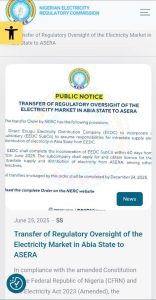
Umuahia, Abia State — The Foundation for Environmental Rights Advocacy & Development (FENRAD) has welcomed the formal transfer of electricity regulatory authority in Abia State from the Nigerian Electricity Regulatory Commission (NERC) to the Abia State Electricity Regulatory Authority (ASERA), describing the move as a major step toward improved governance and service delivery in the power sector.
The transition, enabled by constitutional reforms that decentralised electricity regulation and operationalised through the Abia State Electricity Law, positions the state to take direct responsibility for regulating electricity generation, distribution, and consumer protection within its jurisdiction.
In a statement issued on Thursday, FENRAD said the development presents an opportunity to address long-standing challenges in the sector, including poor service delivery, estimated billing, weak consumer protection, and limited accountability.

According to the organisation, decentralised regulation could lead to faster resolution of consumer complaints, improved oversight, stronger investor confidence, and closer alignment between electricity services and Abia State’s development priorities.





 u
u
However, FENRAD cautioned that the success of the transition will depend largely on how ASERA conducts its mandate, stressing the need for transparency, inclusiveness, accountability, and fairness from the outset.


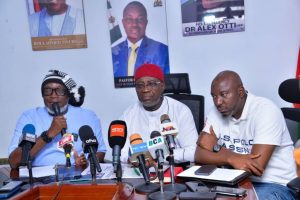
The group urged the new regulatory authority to ensure that all major decisions, including licensing, tariff setting, metering policies, and enforcement actions, are guided by clear rules and made accessible to the public to prevent abuse, inefficiency, and corruption.
FENRAD also called for the institutionalisation of regular stakeholder engagement, recommending structured consultations with electricity consumers, civil society groups, community leaders, traditional institutions, service providers, and private sector actors to promote participatory and responsive regulation.
Emphasising consumer welfare, the organisation said strong protection mechanisms must be put in place to shield low-income households and small businesses from arbitrary tariffs, estimated billing, and poor service quality. It added that complaint resolution systems should be effective, accessible, and responsive.
On tariffs and metering, FENRAD noted that while cost-reflective pricing is necessary for the sustainability of the electricity sector, tariff structures must remain fair and socially sensitive. The group urged ASERA to prioritise universal access to prepaid meters as a critical step toward eliminating estimated billing and rebuilding trust between consumers and electricity providers.
The organisation further stressed the importance of environmental and social safeguards, warning that electricity generation and infrastructure projects in the state must comply with environmental laws, climate commitments, and community rights to prevent environmental degradation, public health risks, and social conflict.
FENRAD also underscored the need for ASERA to maintain institutional independence, free from political or corporate interference, in order to regulate the electricity market effectively and ensure a level playing field for all operators.
Reaffirming its role as a civil society watchdog, FENRAD said it will continue to monitor developments in Abia State’s electricity sector and engage constructively with ASERA, the state government, and other stakeholders to promote sustainable, inclusive, and rights-based electricity governance.
The statement was signed by Comrade Nelson Nnanna Nwafor, Executive Director of the Foundation for Environmental Rights Advocacy & Development (FENRAD), Nigeria.
PRESS RELEASE
FENRAD Calls for Transparency, Stakeholder Engagement and Equitable Service Delivery as Abia State Takes Over Electricity Regulation from NERC
Umuahia, Abia State —26th December 2025
The Foundation for Environmental Rights Advocacy & Development (FENRAD), Nigeria, welcomes the formal transfer of electricity regulatory authority in Abia State from the Nigerian Electricity Regulatory Commission (NERC) to the Abia State Electricity Regulatory Authority (ASERA).
This transition, enabled by the constitutional decentralisation of electricity regulation and operationalised through the Abia State Electricity Law, marks a significant milestone toward improving power sector governance and service delivery in the state.
FENRAD recognises the potential benefits of decentralised electricity regulation, including faster resolution of consumer complaints, improved regulatory oversight, increased investor confidence, and better alignment of electricity services with Abia State’s development priorities. Bringing regulation closer to the people presents an opportunity to address long-standing challenges in metering, billing, reliability, and consumer protection.
However, FENRAD emphasises that the success of this transition will depend on strong governance principles—particularly transparency, accountability, inclusiveness, and fairness—being firmly embedded in ASERA’s operations from the outset.
Accordingly, FENRAD calls on ASERA and the Abia State Government to take the following actions:
- Ensure Transparency and Accountability
All regulatory decisions—including licensing, tariff setting, metering policies, and enforcement actions—should be guided by clear rules, publicly accessible information, and open processes to prevent abuse, inefficiency, and corruption. - Institutionalise Stakeholder Engagement
ASERA should establish regular and structured consultations with electricity consumers, civil society organisations, community representatives, traditional institutions, electricity service providers, and the private sector to promote participatory and responsive regulation. - Protect Consumers, Especially Vulnerable Groups
Robust consumer protection mechanisms must be put in place to safeguard low-income households and small businesses from arbitrary tariffs, estimated billing, and poor service quality. Effective complaint resolution systems should be accessible and responsive. - Guarantee Fair Tariff and Metering Systems
While tariffs should be cost-reflective to sustain the sector, they must also be fair and socially sensitive. ASERA should prioritise universal access to prepaid meters to eliminate estimated billing and improve trust between consumers and service providers. - Uphold Environmental and Social Safeguards
Electricity generation and infrastructure projects in Abia State must comply with environmental laws, climate commitments, and community rights to prevent environmental degradation, health risks, and social conflict. - Maintain Regulatory Independence
ASERA must operate independently, free from undue political or corporate influence, to effectively regulate the electricity market in the public interest and ensure a level playing field for all operators.
FENRAD reaffirms its commitment to monitoring developments in the Abia State electricity market and engaging constructively with ASERA, the Abia State Government, and other stakeholders to promote sustainable, inclusive, and rights-based electricity governance.
Signed:
Comrade Nelson Nnanna Nwafor
Foundation for Environmental Rights Advocacy & Development (FENRAD), Nigeria
Tel: 08033383708,07062949232
Email [email protected]
[email protected]
www.fenrad.org.ng) news piece and SEO metadata