By Newspot Nigeria Editorial Desk
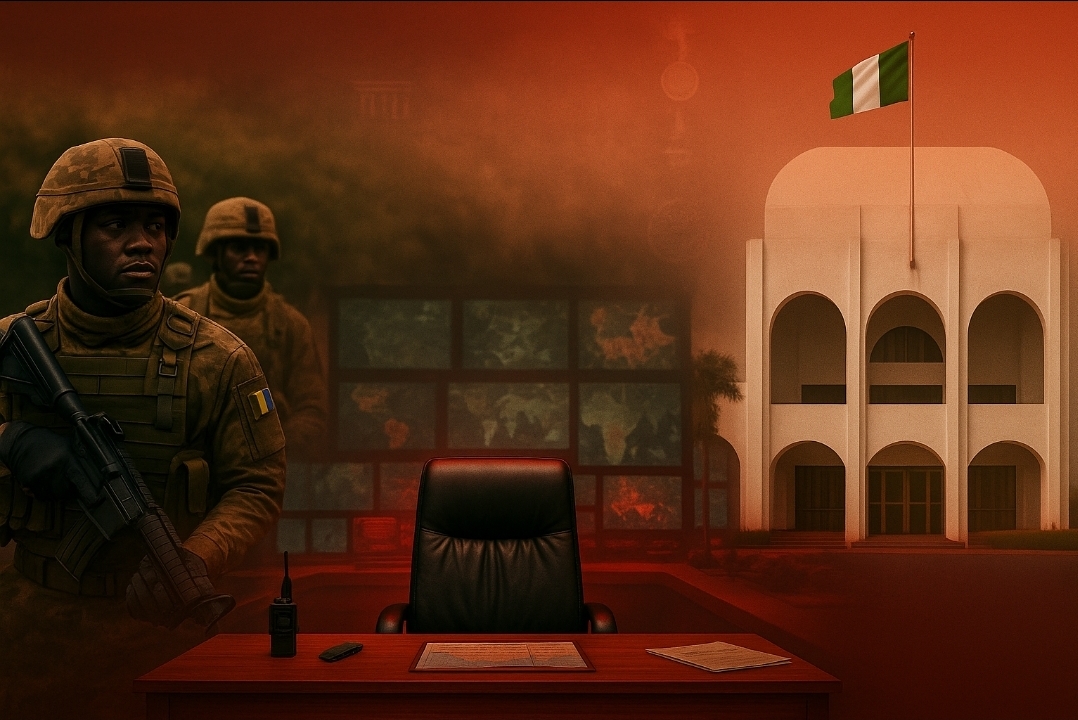
Nigeria is facing one of its most challenging security moments in recent times, yet the President continues to rely on two defence ministers with no military background. This raises serious questions about judgment because defence leadership is not an ordinary cabinet role. It shapes intelligence coordination, troop readiness and operational decisions that define national safety. It should not be left to improvisation or political considerations.
Countries that take national security seriously understand that defence roles demand strategic depth and real experience. The United States demonstrates this clearly, as most of its defence secretaries have either served in the military or spent years in national security institutions. They are often retired generals, intelligence professionals or seasoned defence strategists. Their expertise allows them to understand command culture and operational realities from day one.
Even the notable American exceptions were chosen with clear strategic reasoning. Ash Carter, who served under President Obama, was not a soldier but spent decades inside the Pentagon as a physicist and defence strategist with deep knowledge of weapons systems. Ernest Moniz, another non-military figure in that era, was appointed because his nuclear expertise was essential to negotiating the Iran nuclear agreement. These appointments were based on technical necessity rather than politics.

Nigeria is battling insurgency, banditry and cross-border threats that require leaders who understand command structures and battlefield pressure. Without military grounding or strategic defence experience at the top, the margin for error becomes dangerously wide. Defence leadership should never be treated as a political reward. Nigeria needs competence, clarity and seasoned judgment guiding its armed forces.