By Newspot Nigeria Editorial Desk

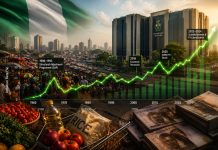
When Nigeria eliminated its decades-old fuel subsidy in 2023, it marked a defining shift in the country’s economic structure. The immediate effects were widely felt – fuel prices surged, transport costs ballooned, and inflationary pressure rippled across daily life. But amid public strain, a quieter transformation unfolded: Nigeria’s oil and gas sector underwent a strategic realignment.
The question remains: who actually benefited from the reform?
Fuel Consumption: A Visible Decline
The removal of fuel subsidies had a direct impact on national consumption patterns. According to a 2024 Intelpoint report:

“Nigeria’s daily fuel consumption peaked at 66.7 million litres in 2022, fell to 47.5 million litres in 2023, and rebounded slightly to 51.8 million litres in 2024.”
Reuters similarly reported:





“Nigeria’s average daily petrol consumption has fallen by 28% since the removal of a popular but costly subsidy.”
This drop highlights how market pricing can quickly alter consumer behavior.
Shifting Market Dynamics: From Downstream to Upstream
As consumers cut back and downstream marketers scaled down operations, a different trend emerged upstream. International oil companies began to divest from Nigerian assets, and several indigenous firms seized the moment to expand.


A flagship example was the acquisition of the Nigerian Agip Oil Company (NAOC) by an indigenous firm in August 2024. According to Hart Energy:
“The acquisition increases total reserves by 98%, bringing total reserves to over 1 billion barrels of oil equivalent.”
This wasn’t just a financial win; it represented a rebalancing of the sector in favor of domestic control.
Regulatory agencies approved the transaction, signaling official endorsement of a growing role for local players.
Transparency & Public Perception
The realignment has not been without public scrutiny. Some companies that made major gains have familial or historical ties to political elites, prompting calls for greater transparency and fairness in asset transfers and policy implementation.
These perceptions – whether grounded in fact or fueled by speculation – highlight a broader challenge: ensuring that economic reforms deliver shared prosperity, not just corporate concentration.
📊 Data Snapshot
| Metric | 2022 | 2023 | 2024 |
|---|---|---|---|
| Daily Fuel Consumption (L) | 66.7M | 47.5M | 51.8M |
| Indigenous Reserve Base (Bboe est.) | ~0.5 | – | 1.0+ |
Policy Lessons Moving Forward
Fuel subsidy reform was never going to be painless. But the gains must be made more visible. Future reforms should prioritize:
- Transparent disclosure of asset transfers and beneficiaries
- Ensuring competitive bidding and regulatory fairness
- Public reinvestment of subsidy savings into infrastructure, healthcare, and education
Nigeria’s post-subsidy energy landscape has benefited well-positioned firms, especially in upstream oil. But reforms that disproportionately reward a few while straining millions risk eroding public trust. The next phase must convert corporate gains into collective growth, ensuring that the future of energy in Nigeria is both profitable and equitable.