By Newspot Nigeria Global Desk


The UK government has signalled that the 2026 Spring Forecast, scheduled for Tuesday, 3 March, will be treated as a fiscal non-event, with no major tax or spending announcements expected.
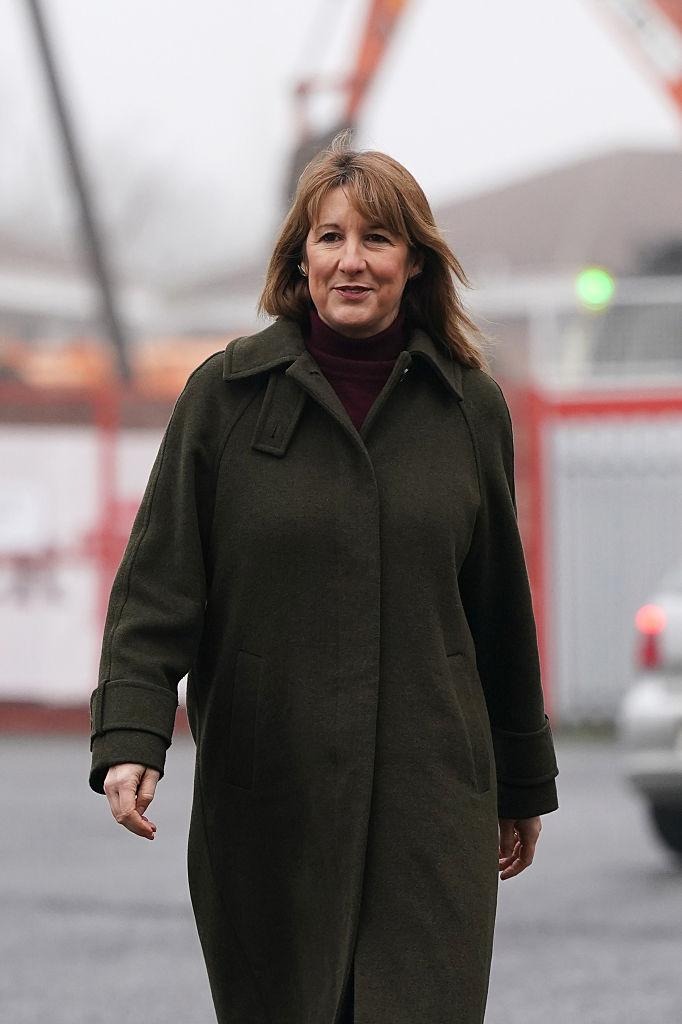
According to a new analysis by the Institute for Government, Chancellor Rachel Reeves is keen to avoid the disruption and speculation that have traditionally surrounded spring fiscal statements, insisting that the main fiscal event of the year should remain the autumn budget.
Last year, Reeves’ spring statement attracted controversy after hurried welfare policy changes were introduced to meet narrowly defined fiscal rules—decisions that were later partially reversed. Analysts say that episode highlighted long-standing weaknesses in the UK’s fiscal policymaking process, including rushed decisions driven by short-term forecast pressures.

Why the Spring Forecast Is Still Happening





Despite the low-key approach, the spring forecast is required by law. The Office for Budget Responsibility must publish economic and fiscal forecasts at least twice each fiscal year, and the chancellor is obligated to formally respond.
This year’s forecast has been deliberately scheduled outside the usual high-profile parliamentary slots, reinforcing the government’s intention to downplay its political significance.


Economic Outlook Largely Stable
Analysts note that the UK’s economic outlook has not changed dramatically since the 2025 autumn budget. Government borrowing costs have eased slightly, and recent tax and borrowing figures have performed better than expected. However, weaker growth and lower migration levels are likely to offset some of these gains.
Inflation remains above target, but projections suggest it could return to the Bank of England’s 2% goal in the coming months, helped by energy price reductions and bill freezes announced previously.
Limited Policy Adjustments Expected
While the OBR will not formally assess whether the government is meeting its fiscal rules at the spring forecast, it will update projections to reflect policy changes made since the autumn budget. These include adjustments to inheritance tax reliefs for agricultural and business property, as well as targeted business rate relief for pubs.
The financial impact of these measures is expected to be modest within the broader fiscal picture.
A ‘Non-Event’ Seen as Positive Reform
Fiscal experts argue that treating the spring forecast as a technical update rather than a policy showcase could improve long-term economic governance. Reeves has previously aligned herself with IMF best practice, which recommends limiting governments to a single major fiscal event each year to allow for more considered policymaking.
Observers say avoiding knee-jerk fiscal decisions in response to minor forecast changes could help restore stability, credibility, and discipline to UK economic management—particularly if markets remain confident that the government will address fiscal pressures at the main budget.