
By Newspot Nigeria Global Desk

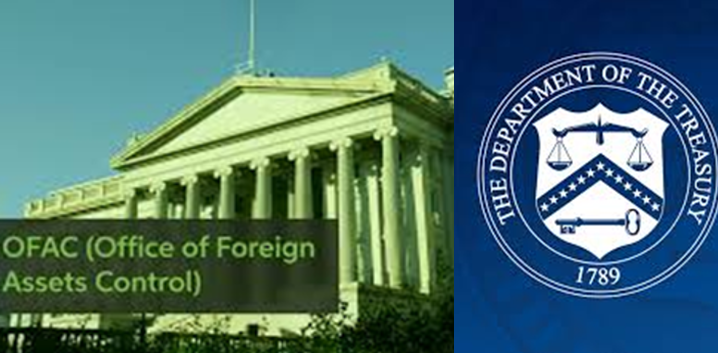
In a continued effort to crack down on terrorism financing, narcotics trafficking, and global threats to U.S. national security, the Office of Foreign Assets Control (OFAC) under the United States Treasury has published its latest update to the Specially Designated Nationals (SDN) List, dated June 24, 2025.
The SDN List, often used by banks, governments, compliance officers, and border control agencies around the world, names individuals and entities that are either owned, controlled by, or acting on behalf of sanctioned countries or non-country-specific programs such as terrorism, proliferation of weapons of mass destruction, and transnational criminal organizations.
These persons—designated as Specially Designated Nationals (SDNs)—have their assets blocked, and U.S. persons and businesses are strictly prohibited from engaging in transactions with them unless explicitly authorized.

Highlights from the update:





- The Enhanced XML version of the list now stands at 97.39 MB, reflecting the growing scope of sanctions enforcement.
- An Advanced XML version tailored for technical platforms measures 113.07 MB, suggesting a broader integration with compliance tools.
- Human-readable formats such as the SDNLIST.PDF and SDNNEW25.PDF are also available for public scrutiny and review.
- Related files include listings of alternate names (ALT.CSV, ALT.FF), addresses (ADD.CSV, ADD.FF), and expanded remarks that spill over the traditional 1000-character limit.
OFAC has also released multiple versions of the data to suit various operational needs—CSV, fixed-width, and XML schemas—to support integration across different financial systems and government agencies.
What this means for Nigeria and Africa:


The update is significant for Nigerian financial institutions, multinational corporations, fintech firms, and cryptocurrency exchanges, especially those engaged in cross-border transactions or partnerships. Many Nigerian banks already incorporate SDN screening into their Know Your Customer (KYC) and Anti-Money Laundering (AML) protocols, and this update reinforces the urgency of such due diligence.
Legal experts warn that failure to comply with OFAC regulations—whether intentionally or by omission—can lead to severe financial penalties, loss of international banking relationships, and even criminal prosecution. As a hub in West Africa’s financial landscape, Nigeria’s Central Bank and financial regulators must remain proactive in cascading this information across licensed institutions.
For developers and tech analysts, the XSD schema files and data specifications offer a roadmap for integrating OFAC’s sanctions data into real-time monitoring platforms and automated compliance solutions.
Bottom Line:
As global financial crime grows more sophisticated, so too must the tools and responses. Nigeria must take particular note, especially as it strives to maintain international banking trust, facilitate global trade, and attract foreign investment. OFAC’s SDN List is not just a U.S. compliance tool—it’s a global firewall against illicit finance, and ignoring it could spell legal and reputational disaster.
For more global financial compliance updates and how they impact Nigeria and the African region, stay tuned to Newspot Nigeria, your frontline source for credible news, bold perspectives, and informed analysis.