

By Newspot Nigeria Global Desk


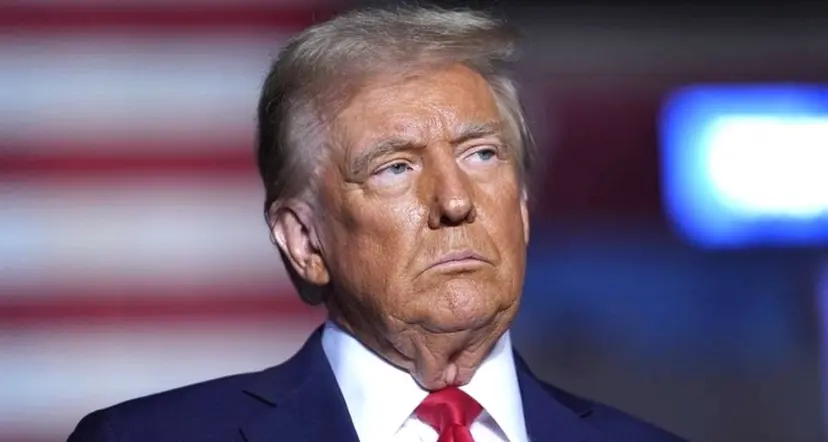
Washington, D.C. — President Donald Trump has threatened to deploy agents from U.S. Immigration and Customs Enforcement to major U.S. airports as a political standoff over funding for the Department of Homeland Security intensifies.
The warning comes as the United States faces a partial government shutdown driven by deep divisions in Congress over immigration policy, border security, and federal spending priorities.
What Happened
In a statement posted on his Truth Social platform, Trump signaled that ICE agents could be stationed at airports to reinforce security operations if lawmakers fail to approve funding for DHS.

The proposal is framed by the administration as a measure to strengthen enforcement at critical transit points, particularly amid concerns over undocumented migration and border control.





However, the move has drawn criticism from civil rights advocates and policy analysts who argue that deploying immigration enforcement agents into civilian travel spaces could blur institutional boundaries and escalate tensions.
Shutdown Pressure Hits Airports
The funding impasse has already begun affecting airport operations across the United States, particularly through staffing shortages among Transportation Security Administration (TSA) personnel, many of whom are working without pay.


This has contributed to longer security lines, operational strain, and growing concerns about system reliability at major travel hubs.
In a highly unusual development, Elon Musk publicly indicated a willingness to cover the salaries of TSA workers during the shutdown. While the statement drew significant attention, no formal arrangement has been confirmed, and legal frameworks governing federal payroll make such a private intervention unlikely to materialize.
Political Divide Widens
The DHS funding standoff reflects broader partisan disagreements between Republicans and Democrats over immigration enforcement strategy and budget priorities.
A bipartisan group of senators is currently engaged in negotiations with DHS officials to resolve the impasse, but there is no clear indication of when a compromise may be reached.
The situation has also reignited debates over executive authority, federal agency roles, and the limits of emergency measures in addressing governance crises.
Why It Matters
The potential deployment of ICE agents to airports represents a significant shift in domestic enforcement strategy, with implications that extend beyond aviation security.
Key concerns include:
- Increased federal enforcement presence in civilian infrastructure
- Potential disruption to airport operations and passenger flow
- Civil liberties implications for travelers and immigrant communities
At the same time, Musk’s intervention — though informal — underscores the scale of institutional strain, highlighting how prolonged political deadlock can create openings for unconventional, non-state actors to enter public policy debates.
What Comes Next
With the Senate still in session, attention is focused on whether lawmakers can reach an agreement on DHS funding in the coming days.
The outcome will determine whether the government shutdown continues and whether the administration proceeds with its plan to expand ICE operations into U.S. airports.
Analysts warn that failure to resolve the crisis could deepen operational disruptions, intensify political polarization, and further test the boundaries between governance, private influence, and national security policy.
— Newspot Nigeria