By Newspot Nigeria Editorial Desk


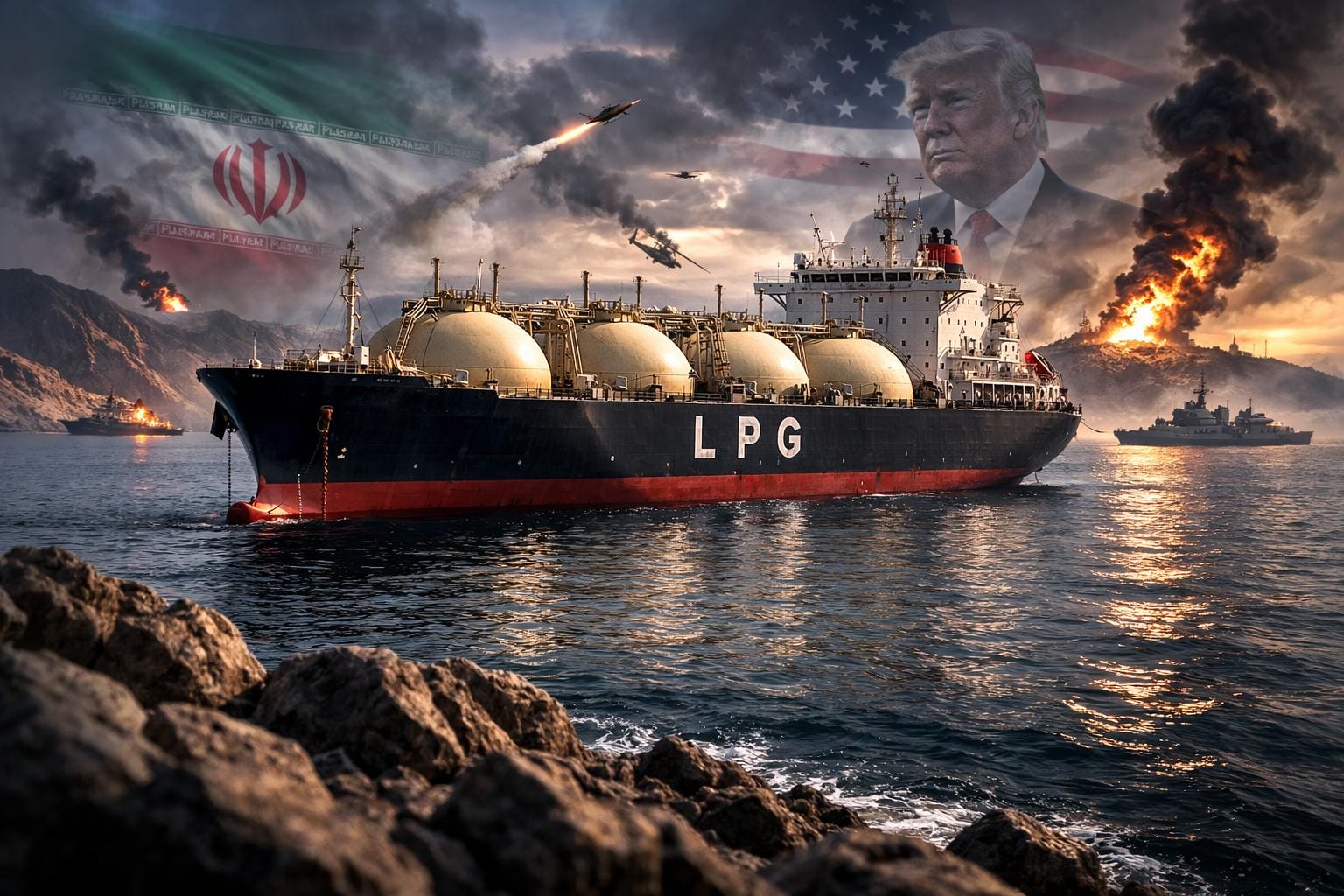
As the war between the United States, Israel, and Iran intensifies, U.S. President Donald Trump has called on major global powers to deploy naval forces to protect shipping through the Strait of Hormuz, one of the world’s most critical oil routes. The appeal comes as missile strikes, drone attacks, and energy disruptions across the Middle East deepen fears of a prolonged global energy crisis.
Trump warned that the United States could launch additional strikes on Kharg Island, Iran’s main oil export hub, as the conflict enters its third week.
War Escalates Across the Middle East
Speaking in an interview with NBC News, President Trump said U.S. attacks had already “totally demolished” significant parts of Iran’s Kharg Island energy infrastructure, adding that Washington might strike again if necessary.

The comment marks a significant escalation in rhetoric, particularly as diplomatic efforts to halt the fighting appear stalled. According to multiple sources familiar with the situation, Washington and Tehran have both rejected early proposals from regional intermediaries seeking to broker negotiations.





The war began on February 28, when coordinated U.S. and Israeli military strikes targeted Iranian facilities. Since then, missile and drone exchanges between Iran, Israel, and U.S. forces stationed in the region have intensified.
Iran’s Revolutionary Guards announced that they launched missile and drone attacks against targets in Israel and three U.S. military bases in the region, describing the strikes as the first phase of retaliation for casualties caused by earlier air raids.


Strait of Hormuz: The World’s Energy Chokepoint
At the center of the crisis lies the Strait of Hormuz, a narrow maritime corridor between Iran and Oman through which roughly one-fifth of the world’s oil supply flows.
Trump urged major economies—including China, France, Japan, South Korea, and Britain—to send warships to help secure the passage for global energy shipments.
In a post on his Truth Social platform, Trump said:
“The Countries of the World that receive Oil through the Hormuz Strait must take care of that passage, and we will help — A LOT!”
So far, none of the countries mentioned has committed to deploying naval forces to the strait.
Japan’s ruling party policy chief, Takayuki Kobayashi, noted that Tokyo’s constitution imposes strict limits on military deployment abroad, though he did not completely rule out the possibility.
Drone Attacks and Regional Fallout
The widening conflict has already spilled across several Middle Eastern states.
Saudi Arabia reported intercepting ten drones targeting Riyadh and eastern regions, while a separate drone strike disrupted operations at the Fujairah energy hub in the United Arab Emirates—one of the world’s largest ship-refueling centers.
Meanwhile, the United States issued a warning urging American citizens to leave Iraq, citing the growing risk of retaliatory attacks.
Iranian Foreign Minister Abbas Araqchi warned that Tehran would respond to any strikes on its energy facilities, signaling that oil infrastructure across the Gulf could become a battlefield.
Oil Markets Face Prolonged Shock
The war has already triggered one of the largest disruptions in global oil supply in modern history, sending energy prices sharply higher.
Several oil-loading operations in the UAE were temporarily suspended after drone strikes, while tanker traffic through the Strait of Hormuz has slowed significantly as shipping companies reassess security risks.
Energy analysts warn that any sustained closure or blockade of the strait could trigger a severe global energy crisis, pushing fuel prices higher across international markets.
Human Cost Mounts
According to official reports from governments and state media, more than 2,000 people have been killed since the conflict began, with the majority of casualties reported in Iran.
One of the deadliest incidents occurred in the central Iranian city of Isfahan, where an airstrike struck an industrial facility producing refrigerators and heaters, killing at least 15 people.
🌐 Strategic Uncertainty Ahead
Iran’s new Supreme Leader Ayatollah Mojtaba Khamenei, who succeeded his late father, has signaled a hardline stance, stating that the Strait of Hormuz “should remain closed” if attacks on Iran continue.
With diplomacy stalled, global shipping threatened, and energy infrastructure under attack, analysts warn that the conflict risks expanding into a broader regional war with global economic consequences.
— Newspot Nigeria