
When Bola Ahmed Tinubu arrives in Britain this week at the invitation of King Charles III and Queen Camilla, the occasion will mark a significant moment in modern diplomacy between Nigeria and the United Kingdom. The two-day state visit, scheduled for 18–19 March 2026 and hosted at Windsor Castle, is the first full state visit by a Nigerian president to Britain in 37 years, the last having taken place in 1989 under Ibrahim Babangida. Announced by Buckingham Palace in February, the invitation reflects the enduring Commonwealth ties and growing strategic importance of Nigeria on the global stage.

State visits by Nigerian leaders to Britain have historically been rare, with only three recorded since independence, in 1973, 1981 and 1989. This fourth visit therefore carries considerable symbolic weight, underscoring both the longevity of relations between the two nations and the renewed diplomatic engagement unfolding under President Tinubu’s administration. Accompanied by Nigeria’s First Lady, Oluremi Tinubu, the president is expected to participate in the ceremonial traditions that define British state hospitality, including a formal welcome, a state banquet hosted by the King and Queen, and a private audience with the monarch.
For King Charles, the visit also reflects a long-standing personal connection with Nigeria. As Prince of Wales, he travelled to the country on four occasions, 1990, 1999, 2006 and again in 2018, when Queen Camilla accompanied him. The monarch is known to have a keen interest in Nigerian culture and society, and he previously received President Tinubu privately at Buckingham Palace in September 2024, where the two discussed climate change and broader global challenges.
Preparations for the visit have already begun in Britain. Earlier in March, the King hosted a reception for prominent members of the Nigerian diaspora at St James’s Palace, recognising their role in strengthening ties between both nations. British authorities, including Thames Valley Police, have also announced temporary security measures around Windsor, including road closures and restricted airspace, standard arrangements for royal state visits.

Beyond the formal ceremony, the visit will carry a substantial diplomatic and economic agenda. President Tinubu is expected to hold talks with Britain’s prime minister, Keir Starmer, and senior government officials, with discussions likely to focus on trade, investment, migration and security cooperation. Agreements are expected in areas such as cultural exchange and migration management, alongside talks on a joint British–Nigerian initiative to renovate major port facilities in Lagos involving ITB Nigeria, part of the construction group founded by businessman Gilbert Chagoury.





The visit also builds upon the Nigeria–UK Strategic Partnership signed in Abuja in November 2024 during the visit of British foreign secretary David Lammy. That agreement established a framework for deeper cooperation across trade, security, diplomacy, development and people-to-people exchange. Bilateral trade between the two countries already exceeds £8 billion annually, and British technical support has been extended to Nigerian institutions including the Central Bank of Nigeria as Abuja advances wide-ranging economic reforms.
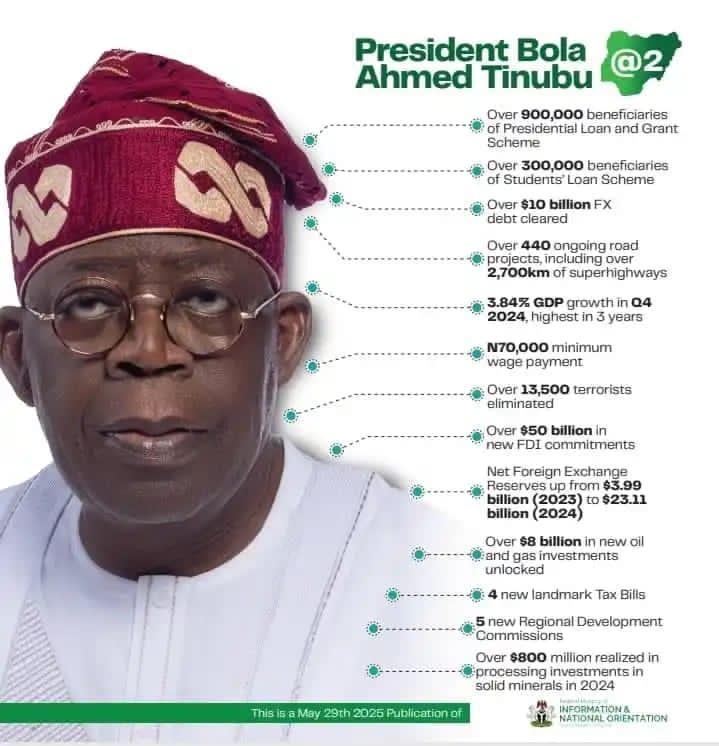
For Nigeria, the visit offers a valuable opportunity to showcase President Tinubu’s economic reform programme to global investors and reinforce the country’s standing as Africa’s largest democracy and economy. With stronger collaboration expected in areas ranging from security to migration and cultural exchange, the Windsor visit represents more than diplomatic ceremony. It signals a renewed confidence in Nigeria’s international partnerships and a shared determination by both nations to translate historic ties into practical cooperation for the future.


©️ Adebamiwa Olugbenga Michael is a Lagos-based professional journalist, political economy, and policy intelligence analyst and publisher of The Insight Lens Project, providing data-driven insights across Nigeria and West Africa using open-source data.