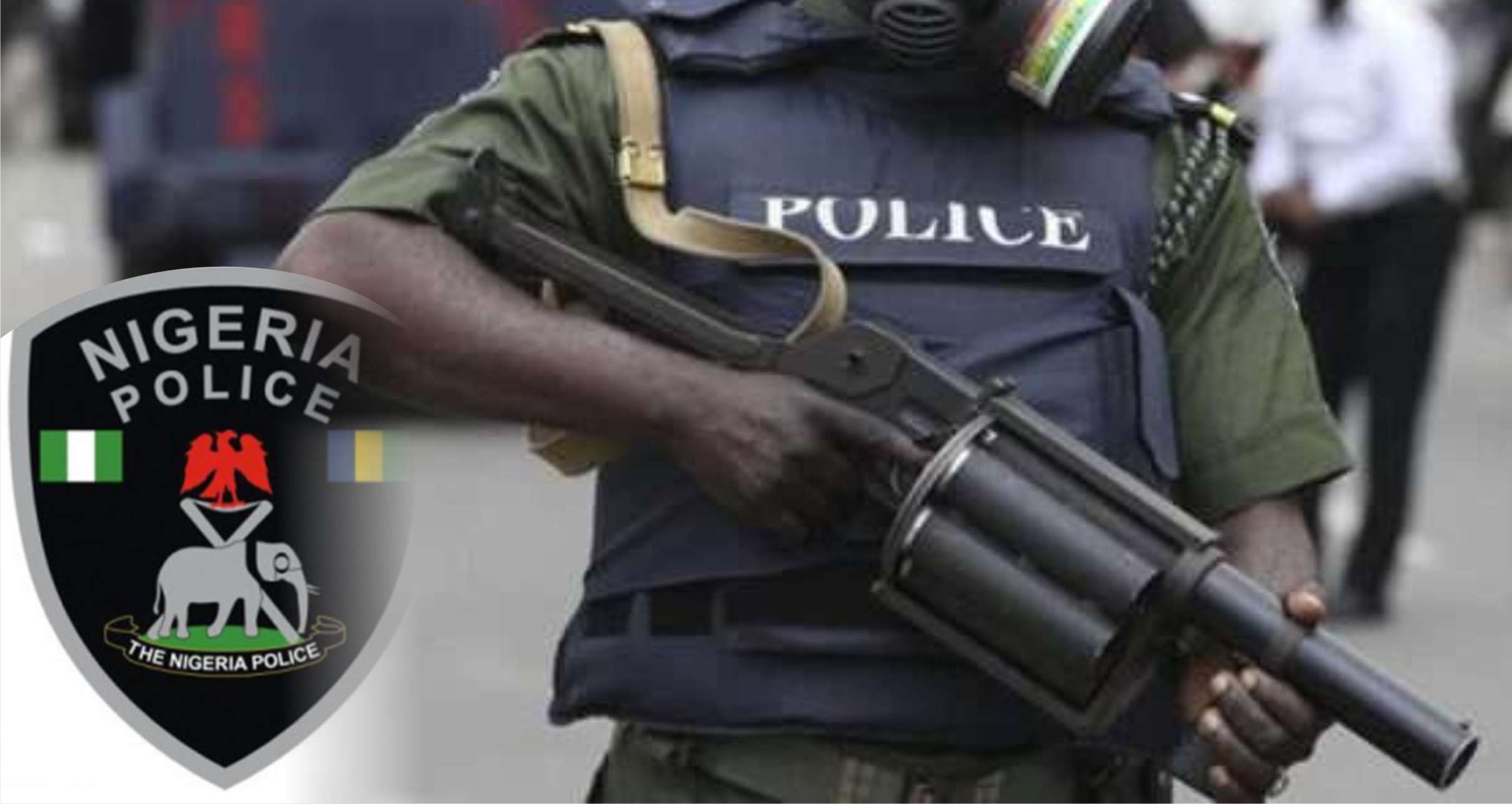

By Newspot Nigeria Editorial Desk


A nation that sends officers into the line of terror must protect the line that connects them to home. That is the thesis Nigeria needs to hear plainly. When policemen calculate bravery, they are calculating family risk before they calculate mission risk. A country can’t build a counter-terror force on appeals that begin only when grief begins.
Newspot Nigeria has spoken with inspectors, patrol officers, and unit leaders across Nigeria, and the stories have a single consistent arc. Many officers recall that their welfare worsened during the early 2000s, a period shaped by sweeping federal personnel-benefit restructuring under the administration of President Olusegun Obasanjo. While his administration introduced the 2003 Monetisation Policy Reform to restructure fringe benefits in parts of the federal service, public policing reform reviews confirm that these monetised fringe benefits did not extend broadly to the Nigeria Police Force due to the requirements of police duties.
Welfare shock isn’t only a Nigerian experience, it has been studied globally as a determinant of morale and resilience. A 2022 law-enforcement family-wellness resilience brief confirms that work-family conflict significantly contributes to occupational stress, burnout, and psychological strain, while also emphasizing that police family well-being influences an officer’s ability to cope with trauma, sustain relationships, maintain readiness, and remain operational through long careers of risk. That same research body also recommends organized agency involvement in family support, structured trauma care for children, family wellness events, and codified educational support pathways for dependents as part of resilience, by design.

Nigeria’s policing welfare pipeline has also been independently evaluated for incentive consequences of uncertainty. Narrative policing insight and budget-release research on Nigeria between 2015 and 2024 confirm that poor welfare conditions, extremely small welfare allocations, and opaque disbursement timelines deepen stress, reduce operational performance, and grow corruption incentives that spill into extortion risks, side-income pressure, and VIP protection preference among officers who feel abandoned by official compensation processes.





The inspector who told you officers hesitate to fight terrorists because their families have no guaranteed protection was not giving an academic model. He was giving a lived operational truth. If Nigeria wants officers to fight terror without hesitation, Nigeria must fight family-after-loss uncertainty without discretion.
Bravery is not a deployment plan, but family certainty must become one.


—Newspot Nigeria