

By Abidemi Adebamiwa


I watched No One Would Tell again recently, and like many people, I found myself asking the same question others have asked online: Was this real? The film feels real, too real, and that is part of what makes it unsettling. It lingers in a way that scripted drama usually does not.
In the Lifetime movie, Shannen Doherty plays Laura Collins, a mother piecing together the truth about her daughter’s abusive relationship only after it has ended in daughter’s death. Her performance is restrained rather than dramatic, almost quiet, and that restraint is what stays with the viewer. Laura Collins herself is a fictional character, created for the film, even though the story draws from real events.
That distinction matters, but only up to a point. While the Lifetime version fictionalized names, settings, and details, the original No One Would Tell film released in 1996 was based on a real case, the 1991 murder of teenager Amy Carnevale in the United States. The characters were reimagined, but the violence, the warning signs, and the silence that surrounded them were painfully real.

Amy Carnevale was 14 years old when she was killed by her teenage boyfriend after months of documented physical abuse. Friends and classmates later acknowledged that they had seen bruises and controlling behaviour but assumed the relationship would eventually end on its own. When the case reached court, the tragedy expanded beyond the crime itself, exposing how collective inaction had allowed the abuse to continue unchecked.






Yet for many Nigerians, the technical line between “fiction” and “real life” barely matters. What the film depicts mirrors experiences that are already familiar, already lived, and already painful. In this case, dramatization does not soften reality, it sharpens it.
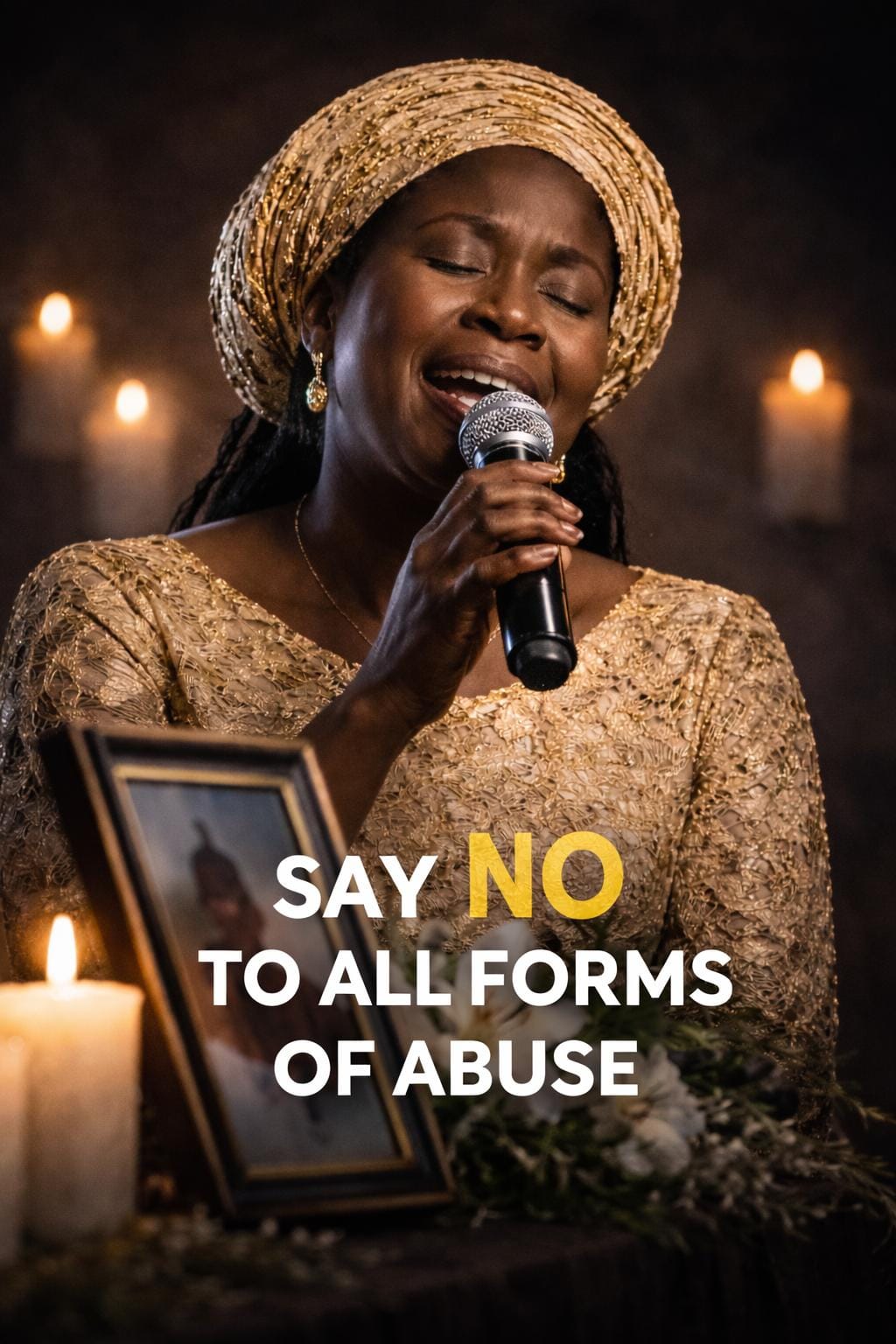
That familiarity became impossible to ignore after the death of gospel singer Osinachi Nwachukwu in 2022. Nigerians mourned her voice first, before confronting the darker truth that followed. As details of prolonged domestic abuse emerged, the country was forced into a far more uncomfortable conversation.


Osinachi’s story was not fiction. There was no script, no symbolic stand-in, no emotional distance created by actors or a screen. There was only a pattern many Nigerians recognize too well: suffering hidden behind marriage, behind ministry, and behind the pressure to endure quietly in the name of faith or reputation.
Like No One Would Tell, her story revealed how abuse rarely announces itself loudly. It often arrives subtly, disguised as control mistaken for love, isolation framed as concern, and violence excused as discipline or correction. By the time it becomes undeniable, the damage is usually irreversible.
This is where fiction and real life quietly meet. The real danger lies not in storytelling, but in silence. In both the film and Osinachi’s life, people noticed something was wrong, people suspected, and people hesitated.
That hesitation was not always born from cruelty. More often, it came from discomfort, fear, and the hope that things would somehow fix themselves. Faith is frequently invoked in moments like these, and while faith can heal, comfort, and restore, it was never meant to replace action.
Whether No One Would Tell is viewed as fiction or dramatized truth is almost beside the point. The harder and more urgent question is why, so often, no one still tells early enough, loudly enough, or firmly enough. Nigeria does not need another tragic example to understand this lesson.
It already has one. Silence does not preserve homes. It does not protect faith. And it does not save lives.
— Newspot Nigeria