
By Newspot Nigeria Global Desk


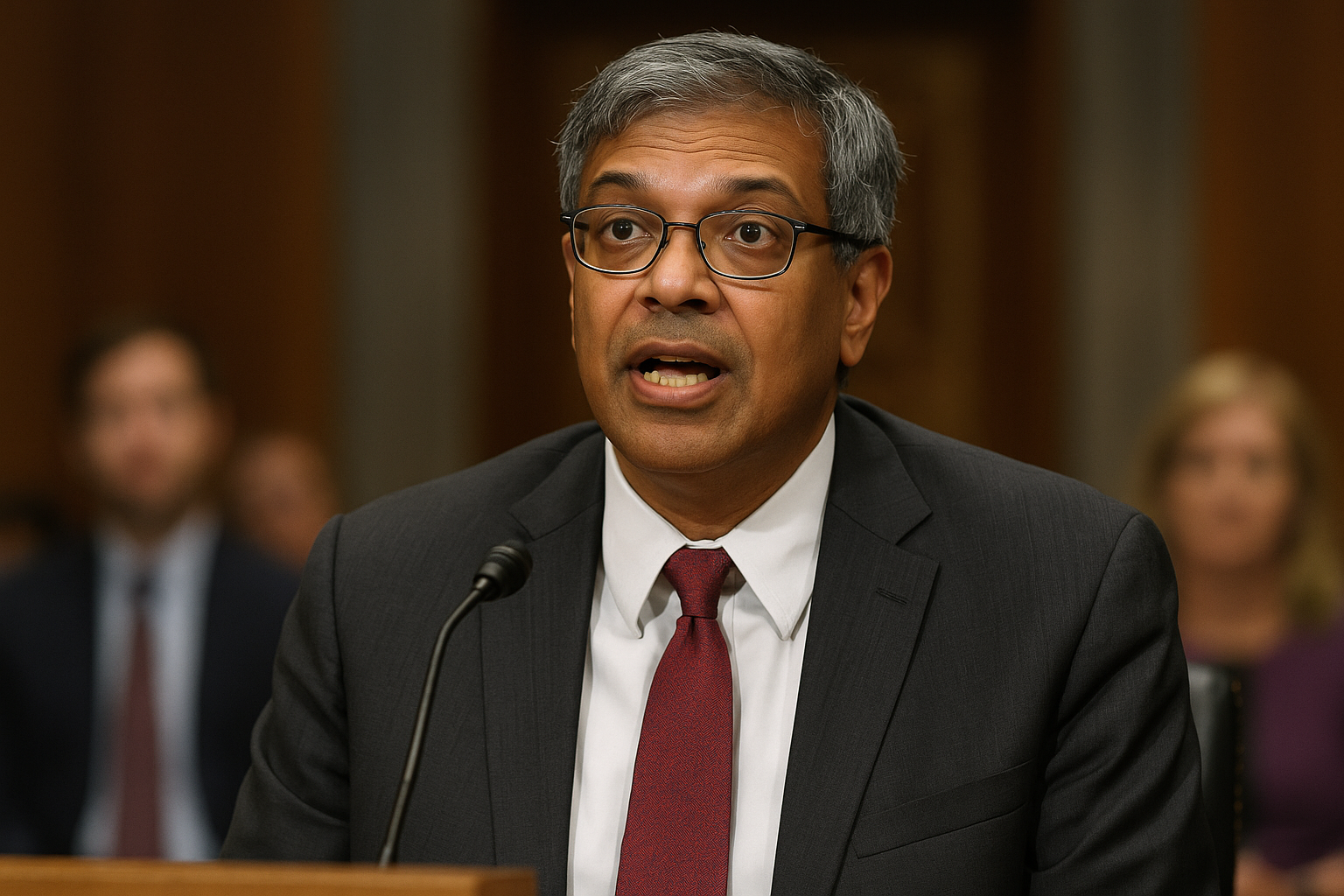
🧬 WASHINGTON— U.S. National Institutes of Health (NIH) Director Jay Bhattacharya told a Senate panel on Tuesday that he is “very hopeful” about reaching settlements with several universities whose research grants were abruptly paused or terminated under President Donald Trump’s administration.
Speaking before the Senate Appropriations Subcommittee on Health and Human Services, Bhattacharya emphasized that resolving these grant disputes is key to restoring scientific momentum. “I didn’t take this job to terminate grants,” he declared, referencing the administration’s sweeping cost-cutting measures.
According to a letter signed by dozens of NIH researchers, the Trump administration has canceled over 2,100 research grants worth $9.5 billion and suspended another $2.6 billion in contracts since taking office. These include critical supports for clinical trials, staff salaries, and essential equipment.

The NIH director, a former Stanford professor known for his controversial pandemic-era stances, assured lawmakers that hundreds of appeals from affected institutions are already under review. “We’ve reversed many of them,” Bhattacharya noted. “It won’t take 18 months. It’ll take weeks.”





The budget hearing drew strong public interest, with patient advocacy groups like the Alzheimer’s Association and the American Cancer Society showing up in force to protest the cuts.
At the center of controversy is the Trump administration’s proposal to slash NIH funding by 40% in 2026, amounting to an $18 billion reduction, and to eliminate or consolidate several of the NIH’s 27 specialized institutes into just five mega-centers. Critics, including many scientists and university leaders, warn that this could cripple America’s global leadership in medical research.


Despite partisan divides in Congress, Bhattacharya urged for depoliticizing scientific funding. “We can’t afford to make health research a casualty of budget wars,” he warned.
As debates continue, many researchers and institutions await clarity on the future of their work, especially as public trust in science funding hangs in the balance.
📰 For continued coverage of global science policy and its implications for Africa and the world, stay tuned to Newspot Nigeria.