
From Dispatch Room
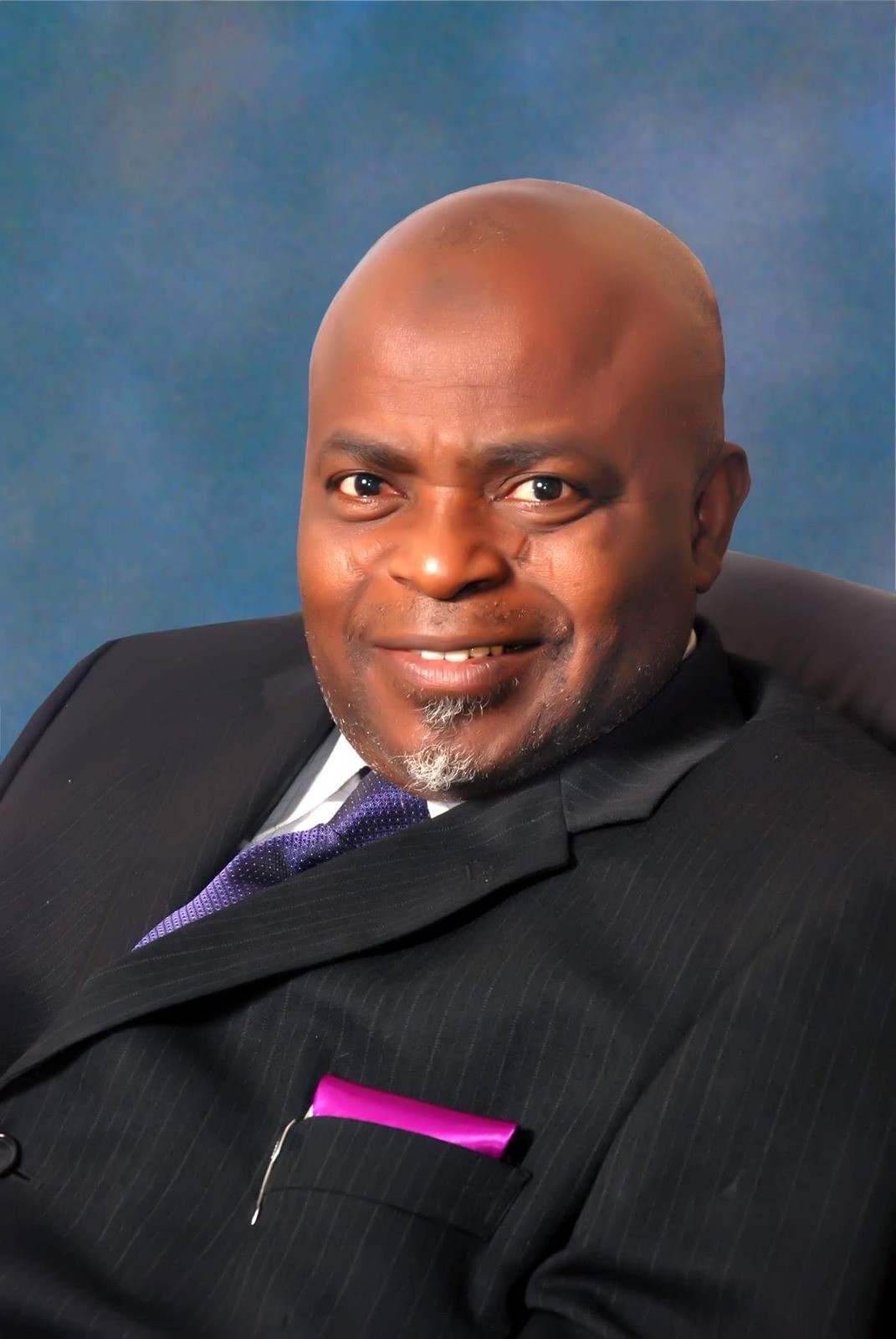
Former Speaker of the Osun State House of Assembly and former member of the House of Representatives, Mojeed Alabi, has said Nigeria’s developmental challenges should not be blamed on democracy but on leadership failure, weak institutions and poor implementation of governance promises.
Alabi made the remarks during an interview on *Frontline*, a current affairs programme on Eagle 102.5 FM, Ilese-Ijebu, Ogun State, where he defended Nigeria’s democratic system as the country marks 27 years of uninterrupted civil rule.
According to him, democracy is designed to empower citizens through participation, accountability and the right to choose leaders, rather than serve as a source of underdevelopment.

“Democracy can never be, has never been, and will never be a factor for underdevelopment,” Alabi said.





He argued that Nigeria’s democratic journey since 1999 should be viewed as an evolving process rather than a completed project. He described the country as an emerging democracy still working toward consolidation after years of military rule.
Alabi said democratic growth requires nurturing, patience and sustained institutional development before Nigeria can attain the level of advanced democracies.


He, however, warned that holding regular elections should not be mistaken for democratic success if citizens continue to suffer poverty, insecurity and poor public service delivery.
The former lawmaker said President Bola Tinubu’s Democracy Day speech acknowledged that the system had not yet delivered the level of dividends Nigerians expected. He said that recognition showed that government must do more to strengthen democracy and improve citizens’ welfare.
Alabi also linked Nigeria’s insecurity challenges to economic hardship, arguing that poverty and lack of opportunities create conditions that make crime and violence more attractive to vulnerable citizens.
He said insecurity, banditry, Boko Haram-related violence and armed robbery cannot be separated from the failure to economically empower ordinary Nigerians.
According to him, people with genuine opportunities for decent living are less likely to turn to criminal activities or violent alternatives.
Alabi also said difficult economic reforms may be necessary for long-term stability but must be accompanied by deliberate measures to reduce hardship on citizens.
He warned against a situation where public officials live in comfort while asking ordinary Nigerians to endure economic pain in the name of future benefits.
The former federal lawmaker said sacrifice must be shared fairly across society, whether among those in government, members of the ruling party, opposition politicians or ordinary citizens.
He maintained that equity, accountability and responsible leadership remain essential if Nigeria’s democracy is to deliver meaningful progress.
— Newspot Nigeria