
By Olugbenga Adebamiwa
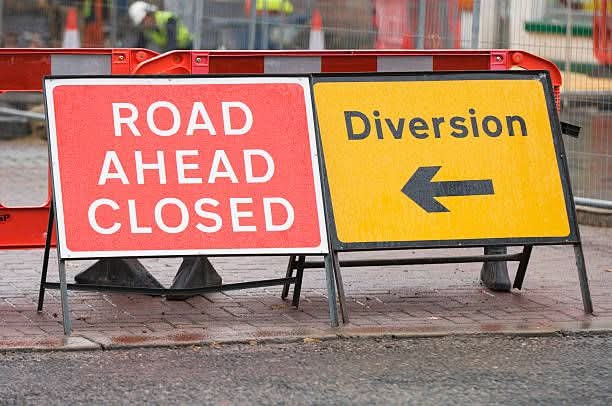
Lagos is bracing for months of road construction as the state government, in coordination with federal authorities, undertakes extensive rehabilitation and expansion projects along several key transport corridors. Commuters should expect lane closures, diversions, and shifting traffic patterns in the coming weeks.
The Lagos-Abeokuta Expressway is set for a 12-week closure of its Lagos-bound lane, spanning the main carriageway between Super Bus-Stop and Ilepo Bus-Stop. The Federal Ministry of Works will lead the reconstruction, scheduled to begin on Saturday, March 7, 2026, and continue until Saturday, May 30, 2026. During this period, the Abeokuta-bound lane will remain open, with motorists advised to plan for possible delays.
Simultaneously, Phase I of the Ogunnusi Road expansion in Ikeja will commence. Stretching 4.5 kilometres from Ojodu-Berger Bus-Stop to Mobil Filling Station Junction, this project is part of a larger nine-kilometre dual carriage upgrade. The entire initiative, covering both inbound and outbound lanes, is projected to span from March 6, 2026, to January 6, 2028. In a statement, Lagos State Commissioner for Transportation, Mr. Oluwaseun Osiyemi, emphasised that the comprehensive traffic management plans aim to minimise disruption while ensuring a safe and efficient construction process.

Further south, the Lekki–Ajah Expressway will undergo critical repairs along its Epe-bound carriageway, from Admiralty Way to Jubilee Bridge. Traffic will be diverted to the Lagos-bound lanes through a phased system: more lanes will serve inbound commuters during morning peak hours, shifting to outbound priority in the afternoons and evenings. Motorists travelling toward Epe and surrounding communities are encouraged to consider alternative routes, including the emerging Lagos–Calabar Coastal Highway.





The Lagos State Traffic Management Authority has deployed officers to oversee traffic flow and mitigate gridlock in affected areas, including Lekki and Ajah. Authorities have urged drivers to exercise patience, follow traffic directives, and plan journeys ahead of peak periods. While the short-term impact may intensify congestion along these arteries, officials stress that the interventions are essential for long-term road safety, durability, and smoother commuting for the tens of thousands who rely on these routes daily.