

By Newspot Nigeria News Desk


Tensions escalated sharply in the Middle East on Wednesday after Israeli authorities carried out a raid on a United Nations Relief and Works Agency (UNRWA) compound in East Jerusalem. The operation, aired live on international networks, has intensified diplomatic concerns over Israel’s treatment of humanitarian facilities in Palestinian areas. UN officials warn that the raid further endangers the fragile operational environment for aid workers already struggling to deliver essential services.
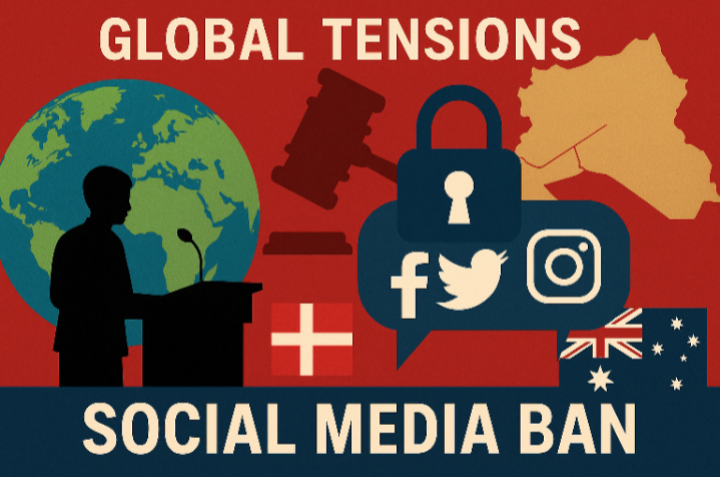
At the same time, a very different global controversy is unfolding — this one centered on the rights of young people online. In Australia, two teenagers have become the faces of a growing backlash against the country’s new and highly restrictive social-media laws. The pair, who appeared publicly to challenge the policy, argue that the law is “undemocratic” because it blocks minors under 16 from accessing platforms such as Instagram and Snapchat, even with parental permission. They insist that the ban removes young people from the digital public square, limits their ability to express themselves, and undermines democratic participation in an increasingly online world.
Denmark is now considering similar legislation, with Digital Affairs Minister Caroline Stage Olsen confirming that Copenhagen is studying Australia’s model closely. The proposed Danish law would bar children under 15 from using social-media platforms unless strict identity and parental-consent verification systems are in place. Supporters say the policy is necessary to protect children from harmful content, bullying, and exploitation. Critics warn that the Danish proposal could provoke the same democratic concerns now emerging in Australia — especially around rights, surveillance, and the exclusion of youth voices.

Australia’s law is already active, and platforms have begun locking the accounts of under-16 users. Notifications sent to minors clearly state that they will not regain access until they reach the legal age. The move has triggered intense debate: privacy advocates worry about intrusive verification systems, cyber-safety experts welcome stronger protections, and civil-liberties groups warn that the measures risk normalizing digital exclusion.





From Israel’s security operations to Australia’s youth-rights controversy, governments across the world are navigating the delicate balance between protection and democratic freedoms. Whether on the battlefield or on the internet, the central question remains: how far can states go before safety measures begin to restrict fundamental rights? Newspot Nigeria will continue monitoring these developments as they evolve.
— Newspot Nigeria