

By Newspot Nigeria Global Desk

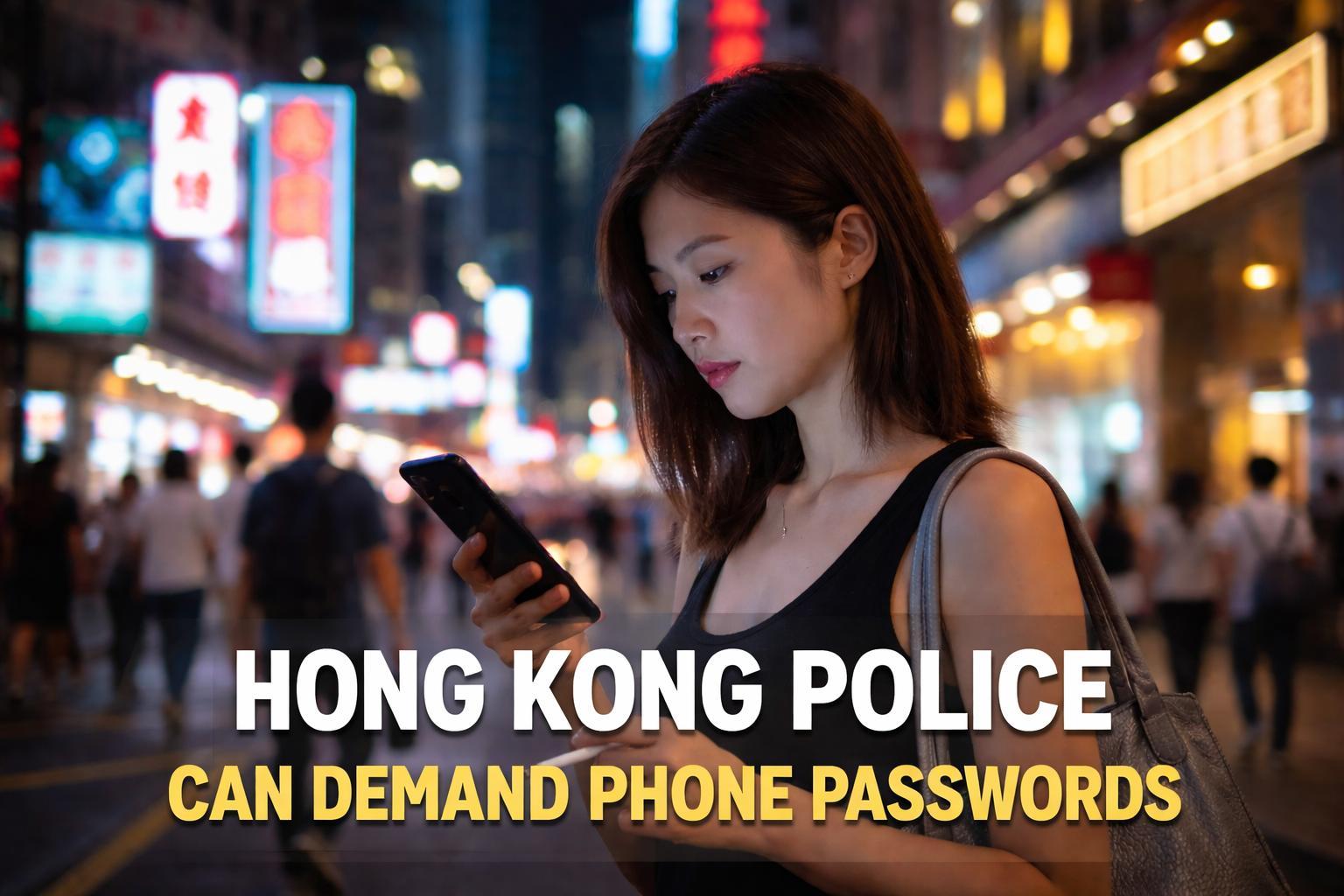
Authorities in Hong Kong have introduced sweeping new powers allowing police to demand access to mobile phones and computers from individuals suspected of violating the city’s controversial national security framework.
Under the new amendments to a bylaw tied to the Hong Kong National Security Law, individuals who refuse to provide passwords could face up to one year in prison and fines reaching HK$100,000. Those found to have supplied false or misleading information risk harsher penalties, including up to three years’ imprisonment.
The changes, officially gazetted on Monday, represent a further expansion of security enforcement powers in the city. Officials argue that the amendments are necessary to strengthen the government’s ability to prevent, suppress, and punish acts deemed to threaten national security.

Hong Kong leader John Lee approved the amendments without going through the Legislative Council, a move likely to draw scrutiny from observers concerned about governance and accountability.





Expanded Powers, Growing Concerns
Beyond access to digital devices, the updated provisions also empower customs officers to seize items suspected of carrying “seditious intention.” This broad language has raised concerns among critics who argue that such measures could be used to limit freedom of expression and dissent.
The National Security Law, introduced in 2020 following widespread pro-democracy protests, criminalizes acts such as secession, subversion, terrorism, and collusion with foreign forces. Since its enactment, hundreds of activists, protesters, and opposition figures have been arrested.


Critics maintain that the law’s vague definitions allow authorities to apply it broadly, while also enabling certain trials to be conducted behind closed doors. Supporters, however, argue that the law has restored stability after a period of unrest.
Recent High-Profile Cases
The expanded enforcement powers come amid a series of notable prosecutions under the law. Media tycoon Jimmy Lai was recently sentenced to 20 years in prison for charges including foreign collusion and publishing seditious materials.
In another case earlier this year, a relative of an exiled pro-democracy activist was jailed under related provisions, highlighting the far-reaching scope of the legislation.
Global Context
While law enforcement agencies in many countries can request access to digital devices during investigations, the breadth of Hong Kong’s national security framework—combined with its severe penalties—sets it apart.
The latest amendments are expected to intensify ongoing debates about the balance between national security and civil liberties in Hong Kong, as well as the broader implications for digital privacy and political freedoms in the region.
— Newspot Nigeria