
Newspot Nigeria Health Desk


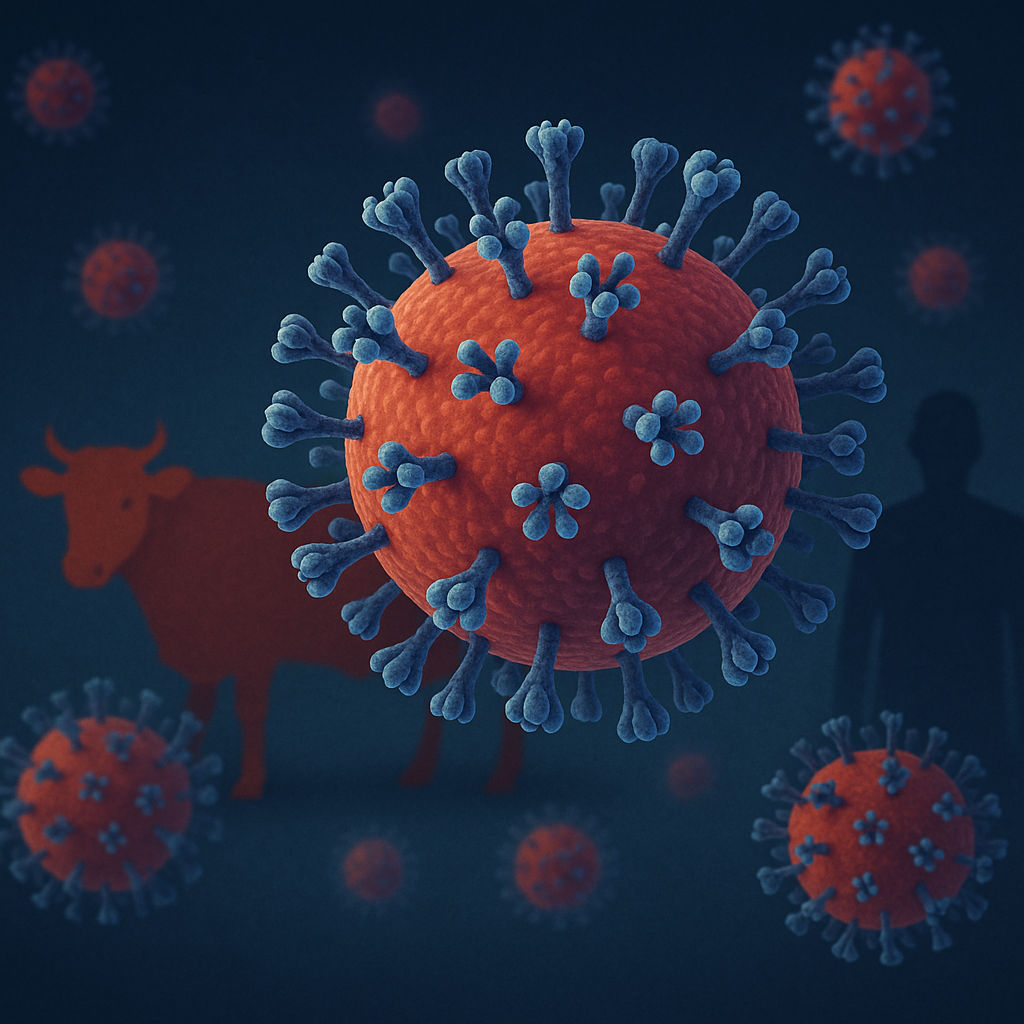
As global health systems remain vigilant in the post-COVID era, a new call-to-action has been issued by the Global Virus Network (GVN) warning of the growing threat posed by the H5N1 avian influenza virus, now sweeping across North America with alarming speed.
In a comprehensive report published in The Lancet Regional Health – Americas, the GVN—comprising top virologists from over 80 centers in more than 40 countries—highlighted the rapid spread of H5N1, which has now impacted over 1,000 dairy cow herds and infected more than 70 people, resulting in at least one confirmed death in the United States.
A Dangerous Cross-Species Threat

GVN experts emphasize that H5N1 is no longer just an animal health crisis—it is an urgent human health threat. The virus, capable of jumping between birds, mammals, and humans, is now circulating in all 50 U.S. states and Canada, with over 168 million poultry culled since 2022.





“Understanding the current landscape of H5N1 infections is critical for effective prevention and response,” stated Dr. Sten Vermund of the University of South Florida. The virus has undergone genetic changes that increase the risk of human-to-human transmission, though such transmission has not yet been documented.
Action Plan for Governments Worldwide


GVN’s nine-point strategy urges governments to act now, drawing heavily from lessons learned during the COVID-19 pandemic:
-
Enhanced Surveillance: Test animals, milk, wastewater, and at-risk farm workers to detect early mutations.
-
Faster Genomic Data Sharing: Encourage real-time sharing of viral genome data to speed up response.
-
Farm Biosecurity: Enforce use of PPE and sanitation in farms.
-
Diagnostic Readiness: Deploy self-testing kits and healthcare access for farm workers.
-
Public Health Infrastructure: Strengthen outbreak response, especially in high-risk rural areas.
-
Phenotype Prediction Investment: Fund tools that interpret genetic mutations into disease traits.
-
Rapid Vaccine Development: Prioritize vaccines for both humans and livestock, especially frontline workers.
-
Clinical Trials Readiness: Enable swift testing of vaccines and treatments for new strains.
-
International Collaboration: Build strong cross-border partnerships for data sharing and coordinated responses.
Experts like Dr. Marion Koopmans (Erasmus Medical Center), Dr. Peter Palese (Mount Sinai), and Dr. Ab Osterhaus (University of Veterinary Medicine Hannover) echoed the urgency of a “One Health” approach, which views human, animal, and environmental health as interconnected.
Call for Public Awareness and Stakeholder Engagement
GVN leaders also warned that public compliance, stakeholder trust, and community-led strategies will be key to preventing a full-blown pandemic. They emphasized education on safe poultry handling, early symptom detection, and vaccine acceptance as crucial components.
“Early detection and robust surveillance are critical to prevent further spread,” said Dr. Christian Bréchot, Vice Chair of the GVN Board.
Newspot Nigeria joins other leading voices in urging Nigerian health authorities, veterinary regulators, and policymakers to monitor evolving risks, share data with global partners, and boost farm-level biosecurity measures. As Nigeria intensifies poultry farming and dairy development under its agricultural transformation agenda, proactive measures are not just advisable—they are necessary.
For ongoing updates on health threats and global virus alerts, stay with Newspot Nigeria — your trusted source for truth-driven reporting.