
By Emmanuel Ndon
Akwa Ibom State is strengthening its human capital development drive by sponsoring hundreds of youths and women in entrepreneurship and skills training through the Dakkada Skills Acquisition Centre (DASAC) and the Ibom Leadership and Entrepreneurial Development Centre (Ibom-LED). Rather than short-term empowerment, the initiative is designed as a pipeline that moves participants from skill acquisition to actual business creation.
At DASAC, located in Ikot Ada Idem, Ibiono-Ibom Local Government Area, trainees receive hands-on instruction in vocational areas such as tailoring, catering, ICT, electrical installation and plumbing. The programme does not end at basic training. Selected participants progress to Ibom-LED, where the focus shifts to business developmen; how to structure, manage and grow an enterprise. This two-stage approach ensures that skills are not left idle but are converted into viable sources of income.
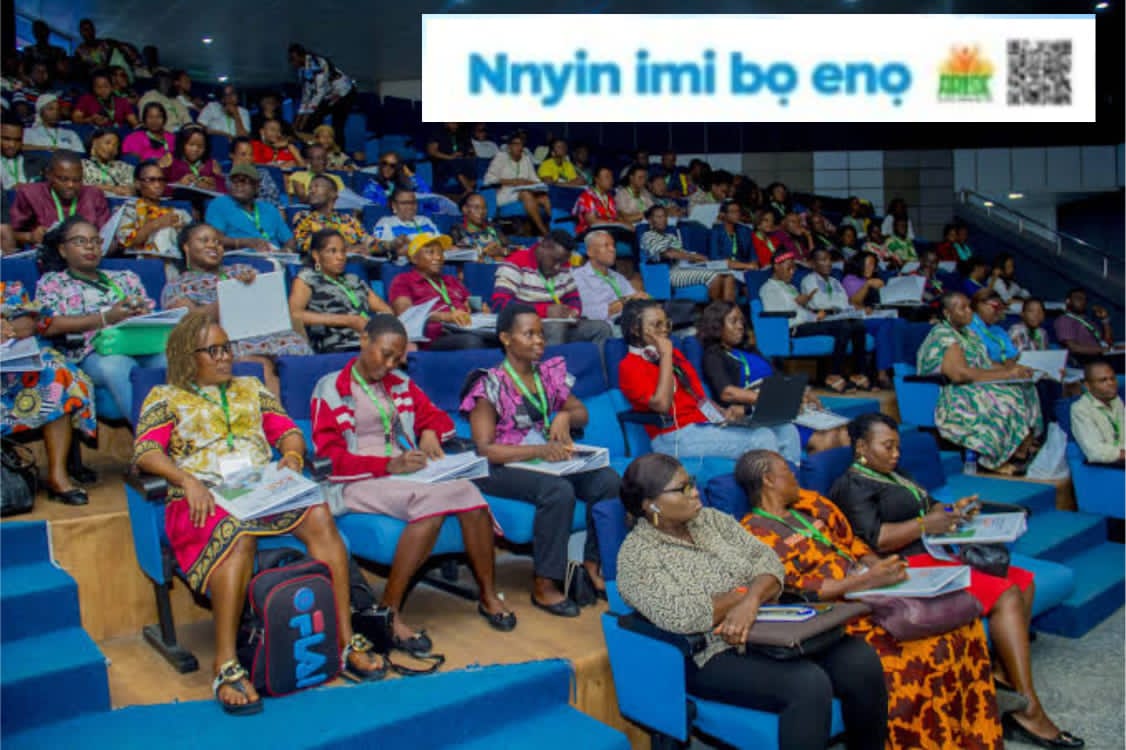
Ibom-LED anchors the enterprise component of the programme. In partnership with the Enterprise Development Centre (EDC), it delivers comprehensive training in entrepreneurship, leadership and business management. The initiative is expected to train up to 10,000 women and youths, with post-training support aimed at helping participants start and sustain small and medium-scale enterprises. Beyond providing funds, the approach recognizes that entrepreneurs also require practical knowledge, guidance and continuous support to thrive.

For residents, the programme provides a viable way out of unemployment. Participants gain not only technical skills but also the confidence and discipline needed to run a business. Many of the beneficiaries are drawn from rural and underserved grassroots communities through local government nominations, thereby widening access to opportunity beyond major towns.




Economically, the impact extends beyond individual beneficiaries. As more trainees establish small businesses, they begin to create jobs, supply goods and services and stimulate local markets. This helps reduce overdependence on government jobs and large-scale industries, while building a more diversified and resilient state economy. Each successful SME becomes a small but important engine of growth.
From a governance standpoint, the programme marks a shift toward more deliberate and sustainable empowerment. By working with established institutions like EDC, the state is adopting standardized curricula and proven training models. Mentorship and post-training support are integrated into the process, increasing the likelihood that businesses will survive beyond the initial startup phase.


The initiative aligns directly with the ARISE Agenda’s focus on human capital development. It is not simply about training large numbers of people, but about producing individuals who can create jobs and contribute meaningfully to the economy. By linking DASAC’s technical training with Ibom-LED’s business development, the state is building a continuous pathway from learning to earning.
Early outcomes are already emerging. DASAC has graduated multiple batches of trainees, with additional participants sponsored through local government and private sector contributions. Some graduates have begun setting up small businesses, while others are preparing to launch with support that may include starter packs, access to financing or market linkages.
Within the expansive development strategy of the state, the DASAC–Ibom-LED model represents a calculated investment in people. It recognizes that sustainable growth depends not only on infrastructure but also on the capacity of citizens to create and sustain value. Training is paired with opportunity, and opportunity is backed by structure.
In practical terms, the impact is measured in everyday outcomes: a young person starting a tailoring business, a caterer supplying events, a technician offering services within the community. These are small shifts that, over time, add up to stronger families, more active local economies and a more self-reliant state.
The programme’s long-term success will depend on how many more trainees transition into stable business owners. But the foundation is already in place.
With targeted training, institutional support and a strong focus on outcomes, Governor Umo Eno’s administration is building not just skilled individuals, but a growing base of entrepreneurs capable of shaping the state’s economic future.
Newspot Nigeria