

By Newspot Nigeria Health Desk


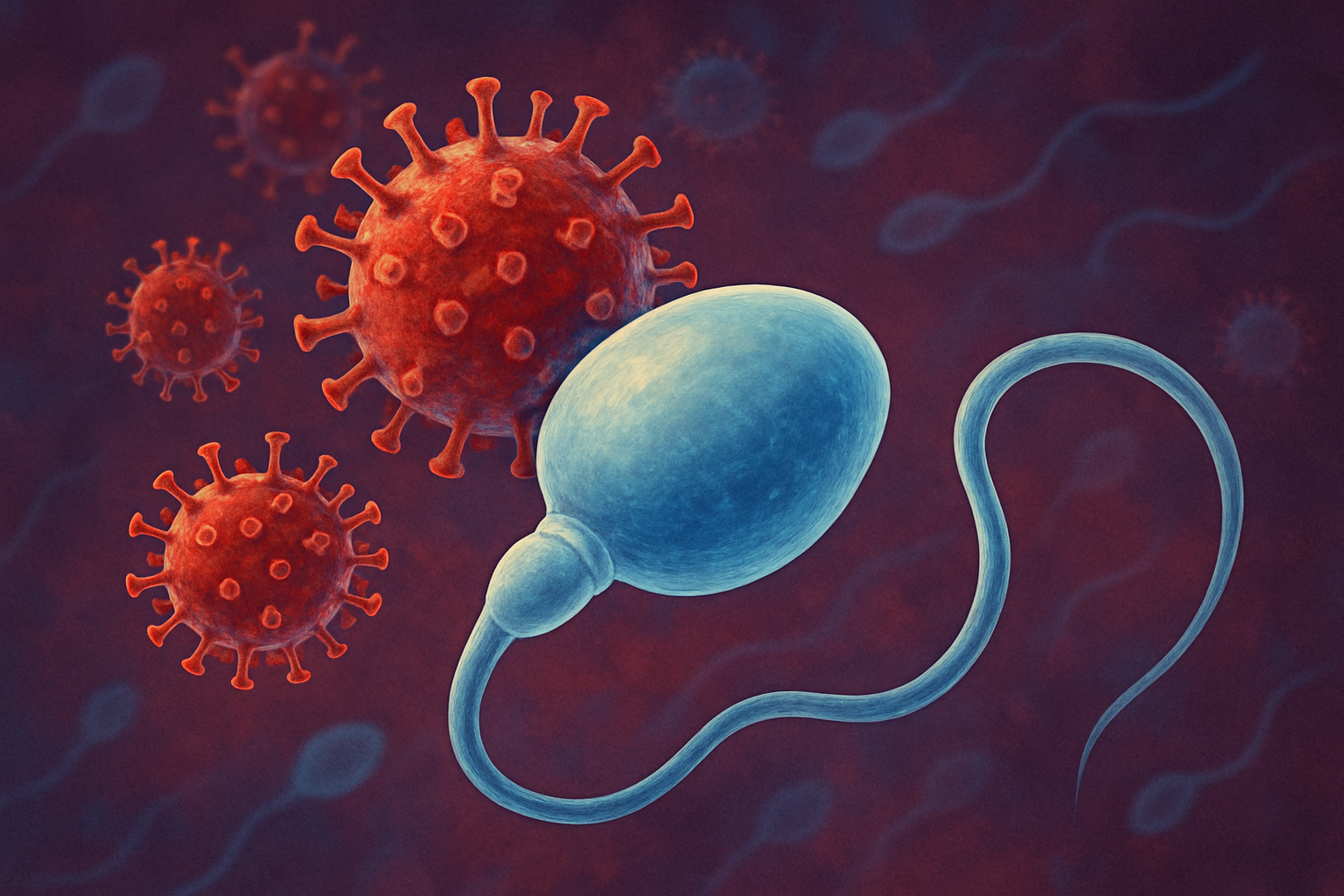
A groundbreaking study published in Scientific Reports has confirmed that COVID-19 significantly impairs male fertility, with long-term effects on sperm count, motility, and DNA integrity—even months after recovery.
The study, conducted by researchers at the Center for Reproductive Medicine in Shengjing, China, involved over 600 male fertility patients, of whom more than 80% had previously contracted SARS-CoV-2, the virus responsible for COVID-19. The findings are a sobering reminder of the virus’s lingering effects beyond respiratory complications.
Key Findings:

-
Sperm Count Drop: 58% of infected men showed a decline in sperm count after recovering from COVID-19, with an average loss of approximately 20.5 million sperm cells.
Advertisement

-
Reduced Motility: 70% of previously infected patients exhibited a 17% drop in total sperm motility, while grade A motility (rapid progressive movement) declined by a staggering 37%.
-
DNA Fragmentation Spike: Sperm DNA fragmentation index (DFI), a critical marker of fertility and embryo viability, increased by 21% in 75% of recovered patients—posing risks for assisted reproductive techniques and increasing miscarriage potential.
The study employed both cross-sectional and longitudinal designs to measure sperm health before and after COVID-19 infection. Alarmingly, even among those undergoing fertility treatments, the virus’s impact on sperm quality remained significant.



While COVID-19 is no longer declared a global health emergency, the virus continues to evolve and spread. These findings emphasize the need for fertility clinics and healthcare professionals to include COVID-19 screening in their evaluation of male infertility.
Dr. Liji Thomas, OB-GYN and co-author of the study, noted:


“COVID-19 was associated with poor semen quality manifested by reduced sperm count and motility, and increased sperm DNA fragmentation. These effects can persist even months after infection.”
As Nigerian fertility clinics see an uptick in unexplained male infertility cases, experts advise patients with a history of COVID-19 to undergo comprehensive semen analysis, especially if they are struggling to conceive.
Newspot Nigeria will continue to follow developments in reproductive health and the long-term impacts of COVID-19 on African populations.