
By BUKAR Mohammed

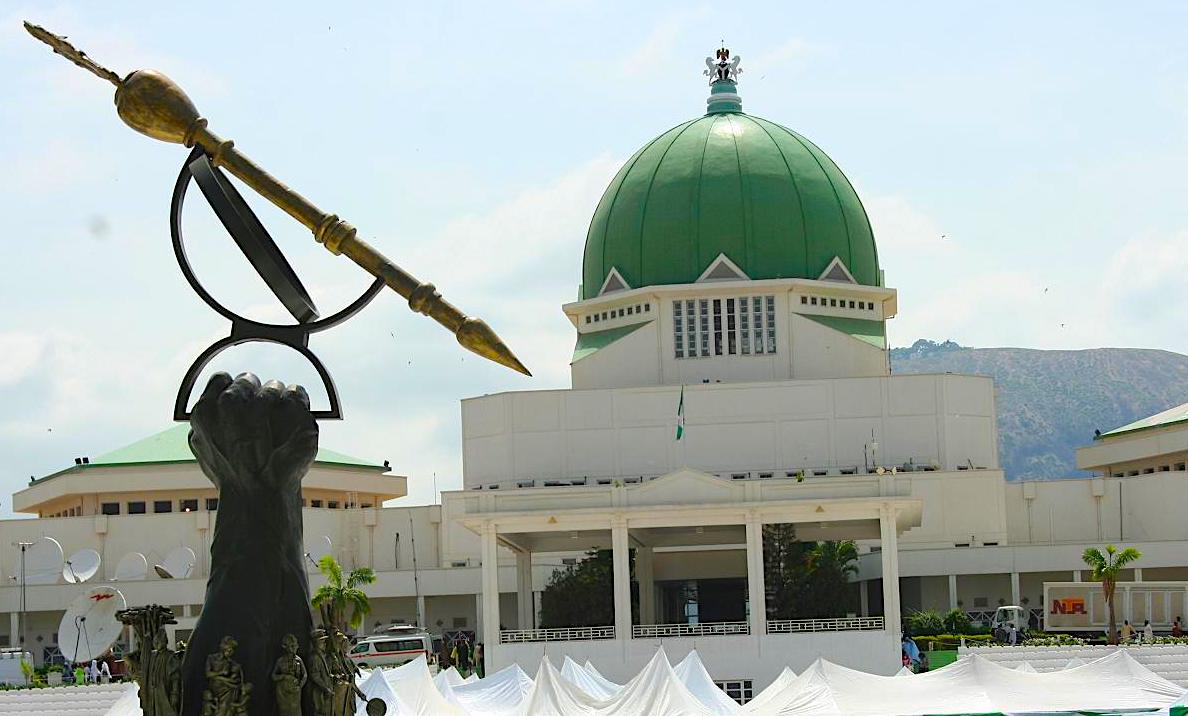
The recent suspension of members of the National Assembly has ignited a critical debate about the supremacy of the Nigerian Constitution over the internal rules of legislative bodies. This situation is particularly alarming when a duly elected representative, chosen by millions, is arbitrarily suspended, disenfranchising an entire constituency. Can the internal regulations of the legislature truly override the constitutional right to representation? Is such a suspension legally defensible, or does it violate the core principles of our democracy?
The Supremacy of the Constitution
The 1999 Constitution of Nigeria (as amended) stands as the ultimate law of the land. Section 1(1) boldly declares:

“This Constitution is supreme and its provisions shall have binding force on all authorities and persons throughout the Federal Republic of Nigeria.”





Moreover, Section 1(3) asserts:
“If any other law is inconsistent with the provisions of this Constitution, this Constitution shall prevail, and that other law shall, to the extent of the inconsistency, be void.”


It is unequivocal: the Constitution supersedes any conflicting rule or regulation. Thus, the internal rules of the National Assembly must align with constitutional provisions, especially concerning the rights to representation, fair hearing, and proper legislative procedures.
Suspension of Elected Representatives: An Affront to Democracy?
When a member of the National Assembly is suspended, their constituents are effectively stripped of representation. This raises several pressing constitutional questions:
– Does the suspension of a legislator violate the constitutional right of representation?
Section 14(2)(c) of the Constitution affirms that:
“The participation by the people in their government shall be ensured in accordance with the provisions of this Constitution.”
Suspending a lawmaker directly undermines the electorate’s right to engage in governance through their chosen representative.
-Is suspension without due process a violation of fundamental rights?
Section 36(1) guarantees every individual the right to a fair hearing:
“In the determination of his civil rights and obligations, including any question or determination by or against any government or authority, a person shall be entitled to a fair hearing within a reasonable time by a court or other tribunal established by law.”
Any disciplinary action against a lawmaker must adhere to these principles. An arbitrary suspension without judicial review not only undermines this right but also sets a dangerous precedent.
Should the Will of the People be Subverted by Legislative Rules?
An elected lawmaker is more than an individual; they embody the voice of their constituency. Suspending a legislator effectively silences an entire group of citizens. Can the rules of the National Assembly legitimately mute the democratic choice of the people?
Judicial Inertia: Why Have the Courts Not Ruled Decisively?
Despite the significant constitutional implications, Nigeria’s judiciary has yet to deliver a definitive ruling on the legality of suspending lawmakers based on House rules. While there have been victories for lawmakers in cases like *Dino Melaye v. House of Representatives (2018)*—where the Court of Appeal determined that legislative bodies lack the authority to indefinitely suspend elected members—the judiciary has yet to establish a firm precedent to permanently prohibit such actions.
The judiciary, as the protector of the Constitution, must act decisively. Section 6(6)(b) empowers courts to adjudicate on the actions of public authorities to ensure they do not exceed their powers. Given that unlawful executive actions have been struck down in the past, why should legislative overreach be treated any differently?
The Need for Judicial Intervention
The courts must address this issue urgently for several crucial reasons:
1. To Uphold Constitutional Supremacy: No rule or regulation should eclipse the Constitution. The judiciary must reaffirm that the right to representation cannot be undermined by internal legislative rules.
2. To Prevent Legislative Tyranny: Unchecked suspensions could be weaponized to silence opposing voices, threatening democratic accountability.
3. To Protect the Electorate’s Rights:The electorate’s right to representation is paramount. Suspending a lawmaker equates to disenfranchising an entire constituency, a practice that the courts must declare unconstitutional.
Shall We Continue to Allow This Injustice?
If Nigeria aspires to truly uphold the rule of law and democracy, the suspension of lawmakers based on internal parliamentary rules must undergo rigorous constitutional scrutiny. The National Assembly must not be permitted to erode the Constitution under the veil of self-regulation. The judiciary must rise to the occasion and put an end to this unconstitutional practice.
How long shall we permit this injustice to persist? Will the courts finally take a stand to safeguard the fundamental rights of millions of Nigerians? The moment for judicial clarity is now.
BUKAR Mohammed is a public analyst from Kano.