By Newspot Nigeria News Desk
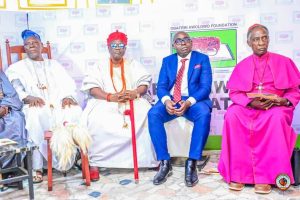
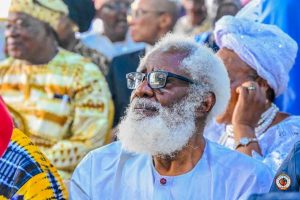
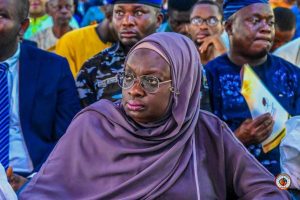
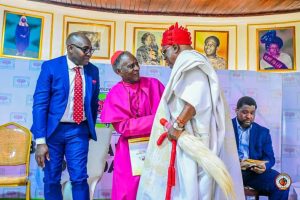
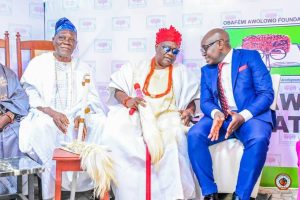
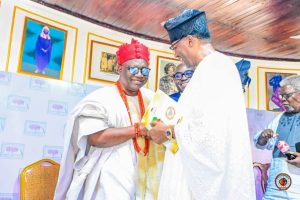
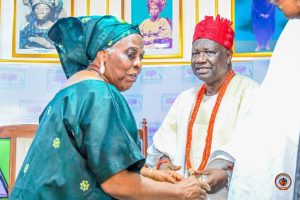
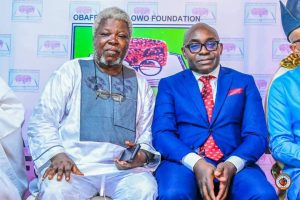
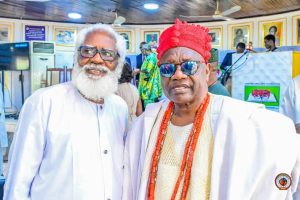
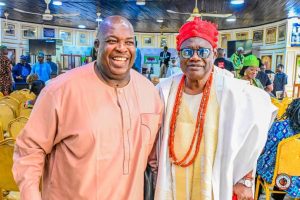
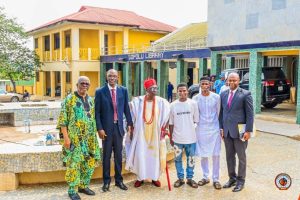
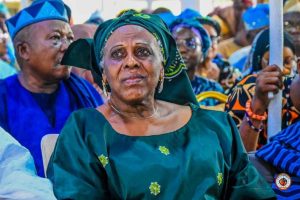
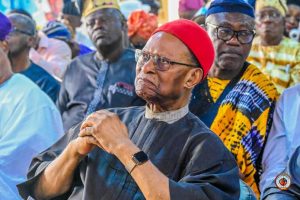
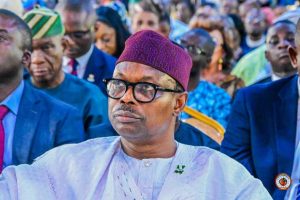
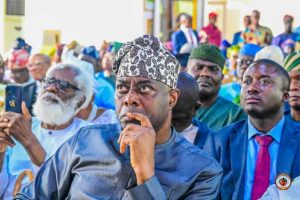
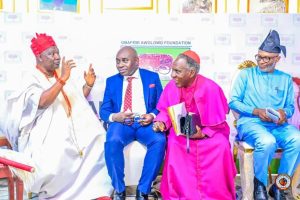
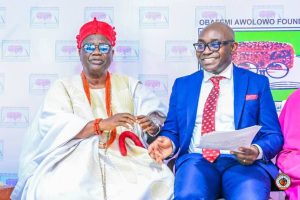
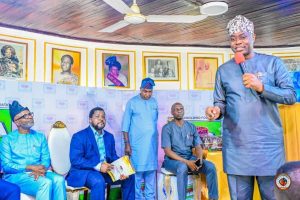
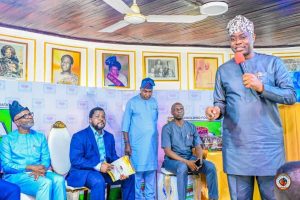
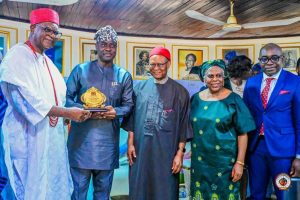
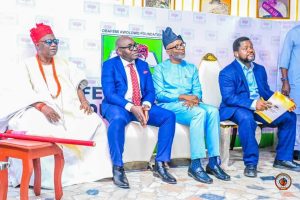
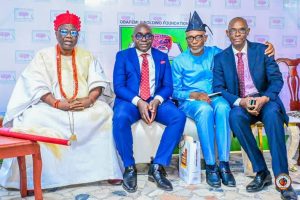
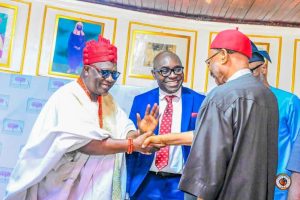
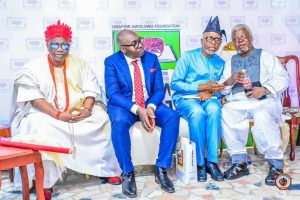
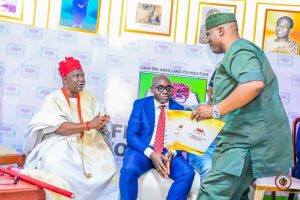
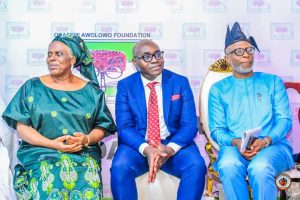
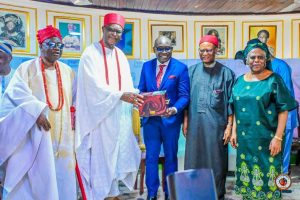
The 2026 Obafemi Awolowo Foundation Annual Lecture brought together an impressive gathering of scholars, journalists, and public thinkers whose careers intersected in the newsroom culture that shaped public debate in Nigeria during the 1990s.
For many in attendance, the event felt like a homecoming. A number of the participants had once honed their craft within the influential Tribune newspaper titles before moving into academia, policy work, and national commentary. Their presence at the lecture reflected the continuing intellectual influence of that era in Nigerian journalism.
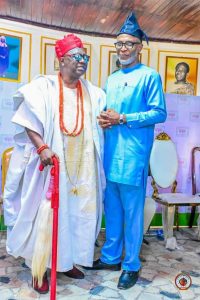
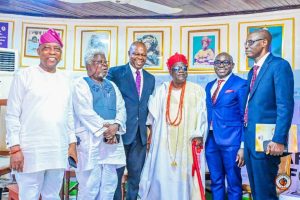
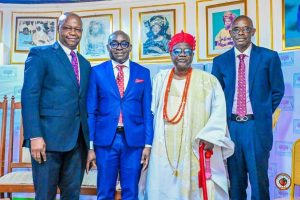
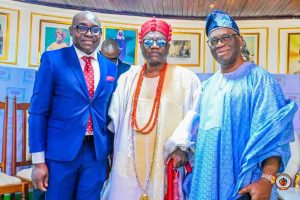
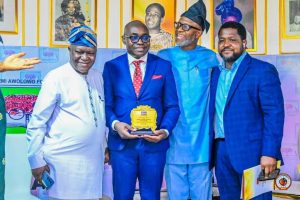
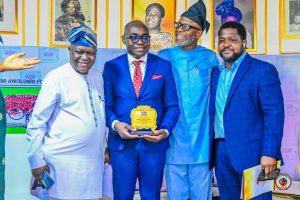
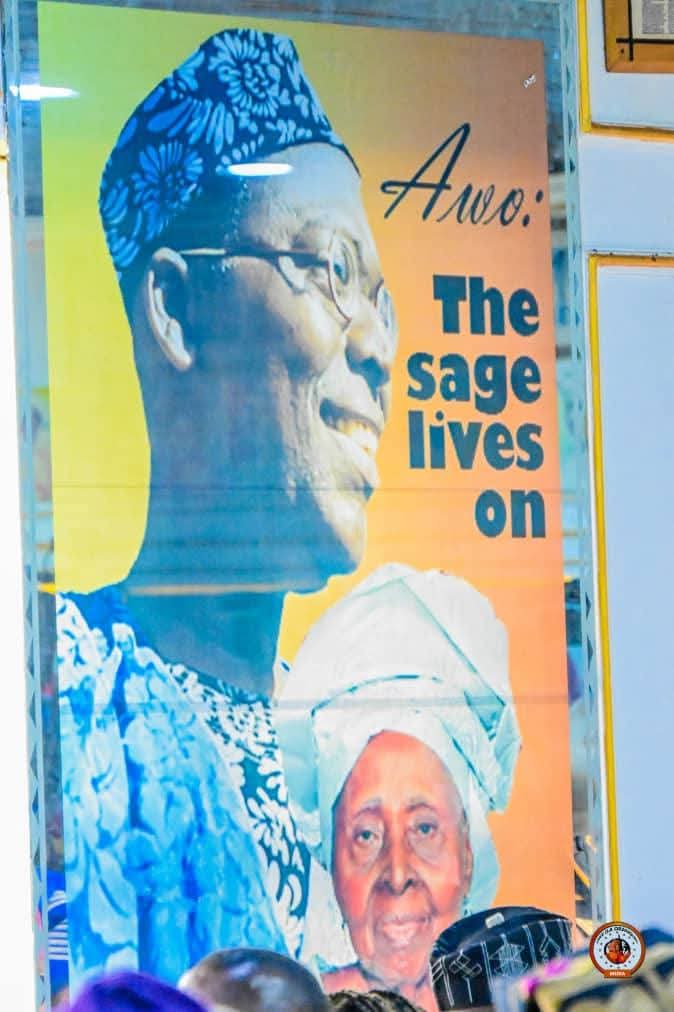
Among the prominent figures present were Professor Wale Adebanwi, Dr Segun Olatunji, Dr Lasisi Olagunju, Dr Festus Adedayo, and Laolu Akande, all respected voices in the country’s media and academic circles. The gathering offered an opportunity to revisit the life, ideas, and enduring political philosophy of Chief Obafemi Awolowo.

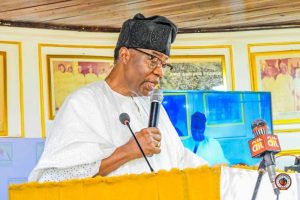
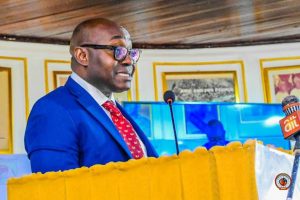
Professor Adebanwi delivered the keynote lecture titled Politics as Future-Making: Awolowo and Leadership as Theory of Action. In a carefully structured address, he examined Awolowo’s approach to leadership and its continuing relevance to Nigeria’s political and social development.




Adebanwi argued that Awolowo understood politics primarily as a project of shaping the future rather than merely administering the present. According to him, the former Western Region premier consistently approached leadership as a deliberate effort to build institutions and invest in people.
Central to that philosophy was the idea that human capital development must remain the foundation of national progress. Adebanwi pointed to Awolowo’s historic education policies, particularly the introduction of free education in the Western Region, as an example of leadership driven by long-term national thinking.


The lecture stressed that Nigeria’s present challenges—ranging from youth unemployment to weak institutional capacity—cannot be separated from the country’s failure to sustain large-scale investment in education, knowledge, and skills.
Participants at the event also reflected on the shared intellectual journey that linked many of them. The path from Tribune’s newsroom culture to later intellectual and editorial platforms illustrated how ideas, journalism, and scholarship can shape national conversations.
Their experience represents a generation of Nigerian thinkers who carried the discipline of editorial debate into academia and public policy. That tradition continues to influence how questions of governance, leadership, and national direction are discussed today.
Throughout the lecture, speakers returned to a central theme: that Awolowo’s political thinking remains relevant because it treated leadership as a disciplined effort to prepare a society for the future.
The message that resonated across the gathering was clear. Nations that invest heavily in human capital secure their tomorrow. Those that neglect it struggle to convert their potential into progress.
For many in attendance, the conversation was less about nostalgia and more about rediscovering a framework for national renewal. Awolowo’s emphasis on education, social development, and strategic leadership continues to offer lessons for a country still searching for a durable path to stability and prosperity.