
From Dispatch Room
HEALTH experts, policymakers, and frontline healthcare workers have stressed that reducing maternal mortality in Nigeria will require more than innovation alone, insisting that stronger health systems, improved access, and political commitment remain critical to saving the lives of pregnant women across the country.
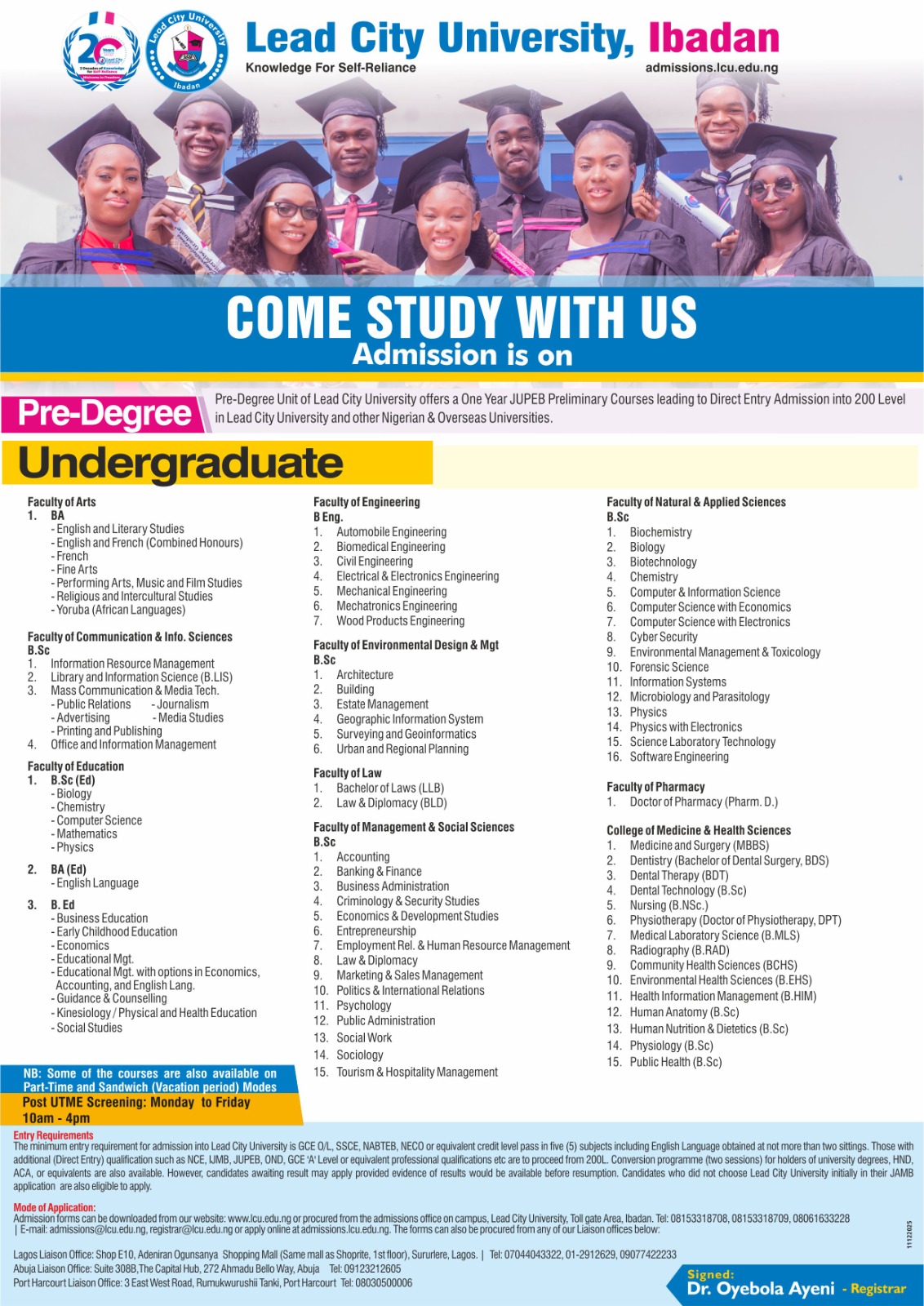
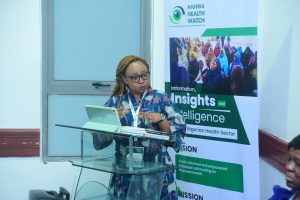
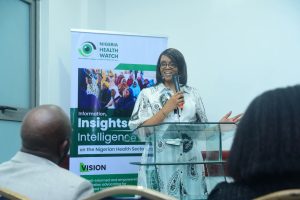
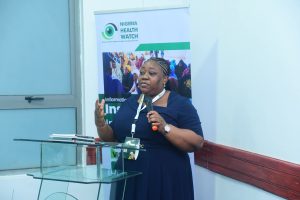
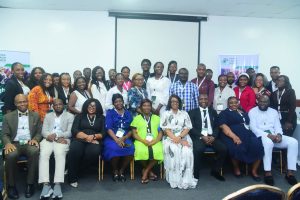
The position was highlighted during a side event at the ongoing World Health Expo Lagos 2026 (#WHXLagos2026) titled, “For Every Mother: Designing Solutions That Work Across the Pregnancy Journey.” The session brought together maternal health experts, including Prof. Ehigha Enabudoso, John Shidiak, and Dr. Olasunmbo Makinde, alongside expectant mothers and healthcare workers across the continuum of care.
Speakers at the event noted that Nigeria’s maternal mortality challenge is no longer due to a lack of proven interventions, but rather the inability to scale existing solutions effectively across the country, particularly in rural and underserved communities where access to quality healthcare remains limited.

The discussions emphasized that many successful maternal health innovations continue to remain confined to pilot projects and urban centres, preventing millions of vulnerable women from benefiting from life-saving care during pregnancy and childbirth.





Participants stressed the importance of integrating innovations directly into existing healthcare systems rather than operating parallel structures. According to the experts, tools such as electronic medical records, digital antenatal care platforms, and clinical interventions like the E-MOTIVE bundle are already improving maternal outcomes in facilities where they have been fully embedded into routine healthcare delivery.
The event also highlighted the need for community-centred approaches to maternal healthcare. Speakers pointed to the experience of Project Aisha across Lagos and Kaduna States, where engaging husbands, mothers-in-law, community leaders, and religious leaders reportedly contributed to a 55 per cent reduction in facility-based maternal deaths.


Experts further advocated for early and routine assessment of pregnant women through technologies such as AI-enabled point-of-care ultrasound and regular haemoglobin testing during antenatal visits, noting that early detection of complications remains one of the most effective ways to reduce maternal deaths.
The panel maintained that sustainable progress would depend heavily on strengthening Nigeria’s primary healthcare system through better funding, improved support for healthcare workers, and reliable medical commodity supply chains that are not dependent on donor support cycles.
Speakers equally called for stronger political will and accountability, arguing that achieving population-level impact would require governments at all levels to take ownership of proven maternal health solutions and commit adequate financing to their implementation.
The session concluded with renewed calls for collaboration between governments, healthcare providers, development partners, and communities to ensure that every Nigerian woman has access to safe and quality maternal healthcare regardless of location or economic status.



— Newspot Nigeria