From Dispatch Room
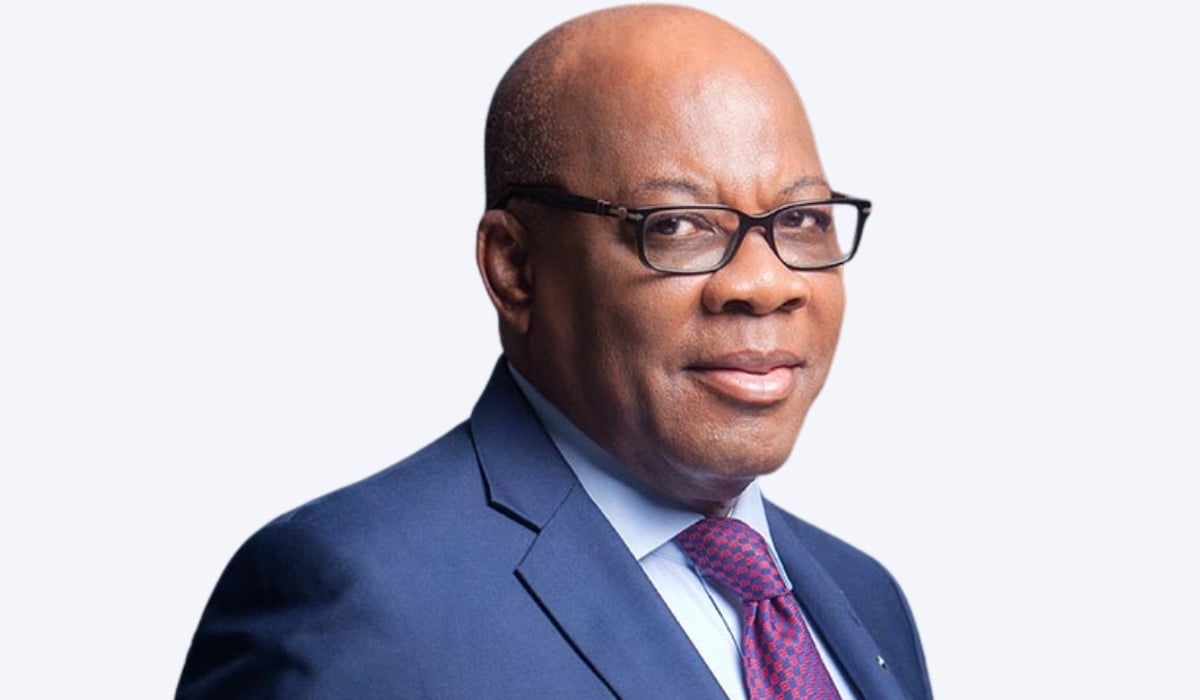
Senior Advocate of Nigeria and former President of the Nigerian Bar Association, Dr. Olisa Agbakoba, has raised fresh concerns over what he described as massive structural leakages within Nigeria’s public finance system, warning that the country could be losing as much as ₦20 trillion annually through inefficiency, oil sector manipulations and weak institutional enforcement.
Agbakoba spoke during an interview on *Frontline*, a current affairs programme on Eagle 102.5 FM, Ilese Ijebu, Ogun State, where he criticized the country’s fiscal management structure and questioned Nigeria’s growing dependence on borrowing despite what he described as enormous untapped revenues.
According to him, Section 162 of the Nigerian Constitution clearly requires that all government revenues be paid into the Federation Account without deductions, but he argued that the process has been weakened by parallel financial arrangements across key agencies.
Agbakoba particularly accused the Nigerian National Petroleum Company Limited (NNPC) of operating deduction systems that allegedly reduce the amount of money remitted into the Federation Account.





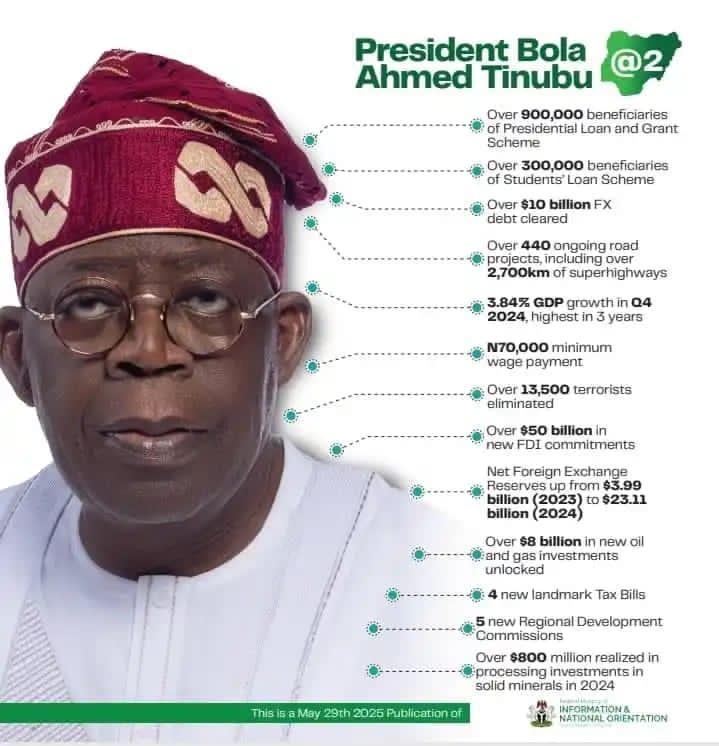
He said President Bola Tinubu’s decision to dissolve the former NNPC board under Mele Kyari reflected recognition of deeper structural problems within the oil sector.
The senior lawyer also referenced ongoing anti-corruption investigations involving former NNPC officials, arguing that the scale of alleged financial irregularities demonstrates the depth of institutional leakages affecting public finances.


Agbakoba warned that Nigeria’s current fiscal model has become unsustainable because the country continues to accumulate debt despite possessing significant revenue-generating capacity.
He compared the situation to a household borrowing money despite having enough resources in its bank account, insisting that Nigeria’s problem is not lack of income but poor management and weak accountability systems.
A major aspect of his criticism focused on what he described as unconventional oil financing structures, including forward crude sales arrangements under projects such as Project Gazelle, Project Yield, Project Leopard and Eagle Export Funding.
According to him, future crude oil production is allegedly being used as collateral for immediate financing, thereby weakening long-term fiscal stability.
Agbakoba also questioned repeated refinery rehabilitation expenditures involving Port Harcourt, Warri and Kaduna refineries, arguing that despite billions spent on rehabilitation, the facilities remain largely ineffective.
He described Nigeria’s continued export of crude oil alongside large-scale importation of refined petroleum products as economically irrational.
The former NBA president further argued that several government revenue streams, including petroleum profit tax, royalties, gas penalties, signature bonuses, company income tax and licensing fees, are affected by systemic leakages.
According to him, Nigeria may currently be operating at nearly 60 percent below its actual revenue potential due to institutional weaknesses and poor enforcement mechanisms.
He cited World Bank estimates suggesting leakages may already exceed ₦10 trillion annually but maintained that the real figure could be significantly higher.
Agbakoba warned that rising debt servicing obligations are now severely limiting the government’s ability to fund infrastructure, salaries and social services.
“If we earn 100 naira, we first have to bring out 70 naira to pay interest on the debt,” he said during the interview.
He also criticized Nigeria’s political environment, arguing that many public office holders are now more focused on the 2027 elections than governance and institutional reforms.
While defending the logic behind fuel subsidy removal and exchange rate reforms introduced by the Tinubu administration, Agbakoba argued that the government failed to properly implement mitigating measures to cushion the effects on ordinary Nigerians.
He questioned why savings from subsidy removal were not placed into a dedicated infrastructure development fund with clear accountability structures.
According to him, increased allocations to state governments have not translated into visible development outcomes across many states.
Agbakoba called for urgent institutional reforms targeting revenue collection, oversight and expenditure management, warning that Nigeria risks remaining trapped in cycles of borrowing, underdevelopment and fiscal instability despite its resource wealth.
He insisted that revenue leakages and fiscal accountability should become central issues in the 2027 general elections.
— Newspot Nigeria