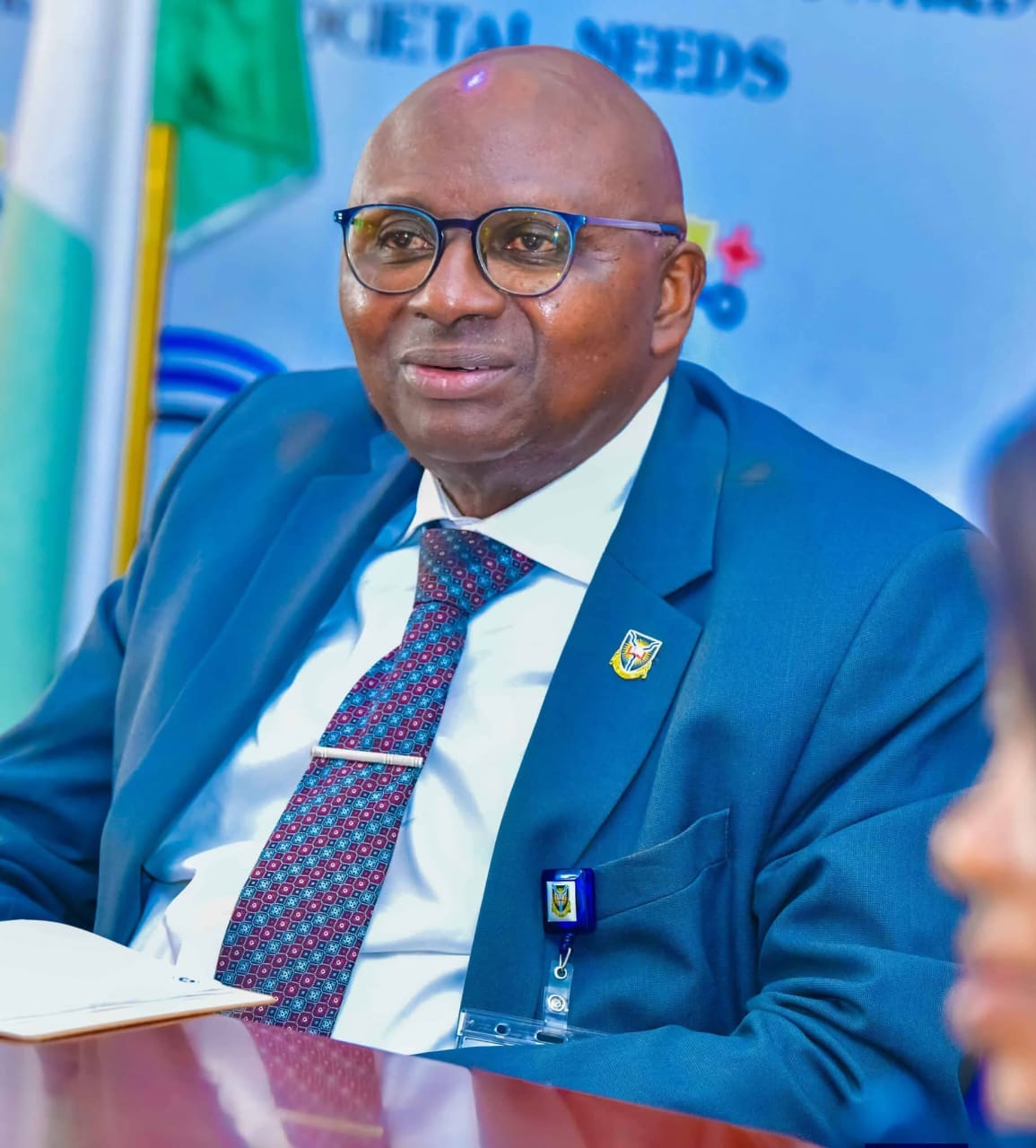

The Vice-Chancellor of the University of Ibadan, Professor Kayode O. Adebowale, has asserted that the University of Ibadan, Department of Virology has taken the name of the institution to the four corners of the world, making the laboratory a vital Hub for the global fight against poliomyelitis.
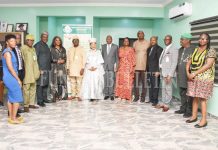
He made this assertion while receiving officials of the Federal Ministry of Health and Social Welfare; country representatives of the World Health Organization; representatives of the Gates Foundation; officials of the National Primary Health Care Development Agency; and faculty members of the Department of Virology on a courtesy visit to his office.
Professor Adebowale commended the Department of Virology for its global reputation and contributions during major disease outbreaks, including COVID-19, describing the National Polio Laboratory as a major asset to Nigeria and Africa.

He also lauded the World Health Organisation (WHO) and the Gates Foundation for supporting the installation of a hybrid solar and inverter system in the Department of Virology noting that unreliable electricity remains a major challenge in Nigeria.





The Vice-Chancellor assured the visiting delegation that the university would continue to support the Department of Virology and sustain its partnerships with international health organizations.
The Incident Manager of the National Emergency Operations Centre (NEOC), Dr. Audu Musa Idowu noted that the laboratory plays a significant role in Nigeria’s disease surveillance and outbreak response system, particularly in polio eradication and genomic sequencing.


He described the Ibadan National Polio Laboratory as a pride not just for Nigeria, but for Africa, emphasizing its importance in accelerating disease detection and response across the country.
According to him, before the establishment of local genomic sequencing capacity, samples had to be sent abroad for confirmation, causing delays of up to 40 days. He said the upgraded Ibadan laboratory now delivers results in less than two weeks, greatly improving outbreak response time.
The WHO Country Representative and Head of Mission, Dr. Pavel Ursu who was represented by Dr. Sachin Rewaria, the National Surveillance Officer conveyed greetings from the WHO Country Representative to Nigeria and reaffirmed the organization’s commitment to strengthening Nigeria’s health systems through partnerships and technical support.
The Acting Head of the Department of Virology, Dr. A. B. Onoja explained that the 100 KVA solar power system was installed to improve laboratory operations and ensure uninterrupted power supply for critical public health activities.
He appreciated the World Health Organization (WHO), with funding support from the Gates Foundation for the completion and commissioning of the solar-powered energy system for the Virology Laboratory at the University of Ibadan towards strengthening Nigeria’s public health emergency response and laboratory capacity.