

By Olugbenga Adebamiwa
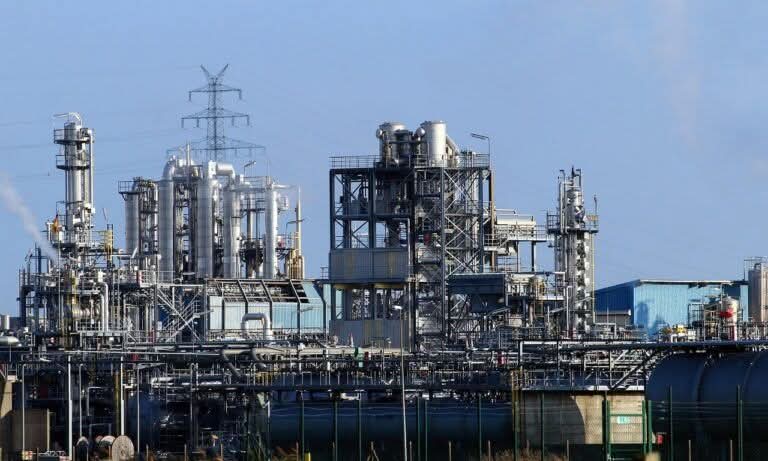
Africa is accelerating efforts to reduce its reliance on imported petroleum products, as a new generation of refinery projects gathers momentum across the continent.
A report by the African Energy Chamber highlights at least five major refinery developments aimed at saving billions in fuel import costs, strengthening domestic supply, and driving industrial growth. While some projects are nearing completion, others remain under construction with timelines stretching toward 2030.





In Angola, the Cabinda Refinery is already making an early impact. Its first phase began operations in September 2025, helping to reduce the country’s dependence on imported refined fuels despite being a major crude exporter.


Uganda’s Hoima Refinery, currently under construction, is expected to transform East Africa’s energy landscape when it comes online by 2028. Backed by a UAE-led consortium, the project is tied to upstream developments in the Lake Albert basin and regional pipeline infrastructure.
Mozambique is also positioning itself as a future refining hub, following a 2025 agreement with Aiteo to develop a 200,000 barrels-per-day refinery and export pipeline network targeting Southern Africa.
In Nigeria, attention is increasingly turning to the 200,000 bpd refinery being developed by BUA Group, led by Abdul Samad Rabiu. The project, located in Akwa Ibom State, remains under active construction, with the company confirming that work is progressing steadily, although it is not yet near completion.
Once delivered, it is expected to complement the already operational Dangote Refinery, which is producing up to 650,000 barrels per day and reshaping fuel supply dynamics across West Africa. Together, both facilities could significantly reduce Nigeria’s historical dependence on imported refined products and position the country as a net exporter.
Further east, Djibouti is pursuing one of the continent’s most ambitious refining projects, a planned 300,000 bpd facility backed by Ajyal Refinery. Though still at an early stage, the project is expected to leverage the country’s strategic Red Sea location to serve regional and international markets.
Across the continent, these developments reflect a broader structural shift, from exporting crude oil to refining it locally. While challenges such as financing constraints, infrastructure gaps, and competition from imported fuels remain, the direction is increasingly clear.
With projects like the BUA Refinery still ongoing and others advancing steadily, Africa’s long-standing fuel import dependency may gradually give way to a more self-sufficient and industrialised energy future.
©️The Insight Lens Project.