
By Olugbenga Adebamiwa
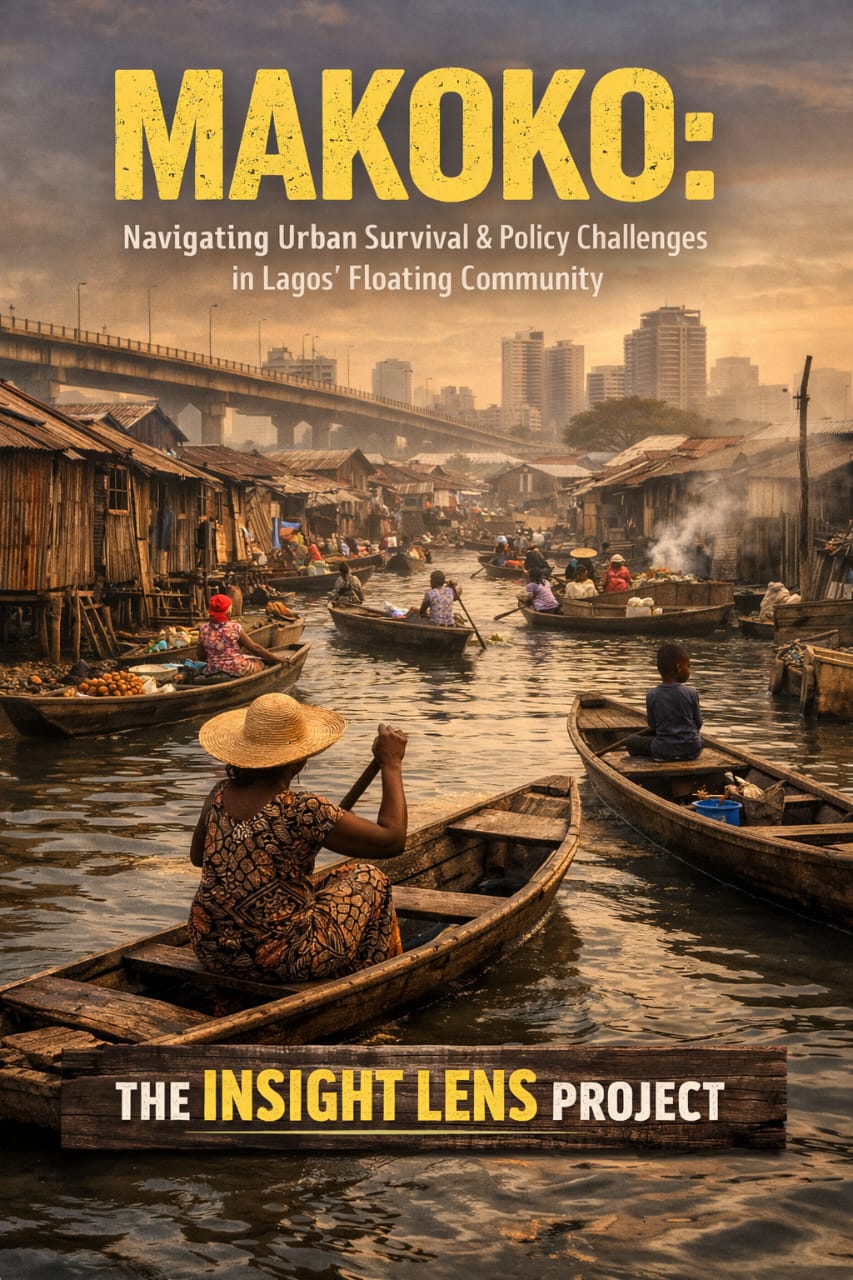
Nestled between Iwaya, Yaba, and Ebute Metta, Makoko has long captured both attention and controversy in Lagos, Nigeria’s megacity. Often described as a “floating slum,” the settlement is home to tens of thousands who live atop the Lagos Lagoon, balancing livelihood, culture, and survival against severe infrastructural and environmental challenges. Makoko’s story underscores broader urban governance questions, reflecting the tensions between informal settlements, rapid urbanization, and the need for inclusive policy solutions in Nigeria and globally.
Makoko is both distinctive and vulnerable. Originating as a 19th-century fishing settlement primarily inhabited by Egun communities, it spans land and water, with a substantial portion of homes on wooden stilts over the lagoon. Narrow waterways serve as streets, while canoe-based markets thrive as residents sell fish, vegetables, and other essentials. Despite its visibility beneath bridges and along Lagos’ bustling corridors, Makoko has historically been excluded from formal urban planning frameworks, leaving residents without reliable sanitation, potable water, electricity, or adequate health services. Studies by NGOs and urban researchers highlight high maternal and child vulnerability, persistent open defecation into lagoon channels, and constrained access to education and healthcare.
The settlement has experienced periodic forced demolitions, most notably in 2012 and in subsequent rounds. Human-rights organizations have consistently criticized these operations for inadequate notice, insufficient consultation, and absence of sustainable resettlement plans. The rhetoric framing Makoko as an “eyesore” has often dominated policy discussions, sidelining the social and economic realities of residents. The collapse of the Makoko Floating School in 2016, an internationally lauded architectural project, further exposed the complexities of deploying innovative infrastructure in high-risk, low-resource settings without long-term maintenance and community ownership.

Makoko’s persistence is rooted in structural factors common to rapidly urbanizing cities. Lagos faces chronic housing shortages, compelling low-income migrants to seek informal accommodation. Planning deficits, weak regulatory enforcement, and economic marginalization exacerbate resident’s vulnerabilities. Environmental pressures, including sand dredging, lagoon reclamation, and climate-driven flooding, compound these challenges, threatening both livelihoods and physical safety. Globally, similar waterfront informal settlements face parallel risks, emphasizing the need for integrated approaches that balance urban development with social inclusion.





Evidence suggests that inclusive, community-led interventions can address Makoko’s challenges more sustainably than demolition alone. Upgrading initiatives, including flood-resilient housing, sanitation systems, electrification, and secure walkways can preserve livelihoods and social integration. Engaging local leadership structures, such as baales and resident committees, ensures interventions respect cultural and economic realities. Complementary measures include environmental restoration, regulated dredging, ethical tourism frameworks, and structured relocation with guaranteed access to education, markets, and healthcare where necessary. Such strategies align with human-rights standards and provide scalable models for informal settlements worldwide.
Makoko’s evolution is indicative of the broader governance dilemmas facing Lagos and comparable megacities. While aesthetic and developmental pressures may motivate relocation or redevelopment, policymakers must balance urban renewal with residents’ rights, livelihoods, and cultural continuity. Effective solutions require data-driven planning, cross-sector collaboration, and transparent public engagement. For Nigeria, the Makoko experience offers a critical lesson, urban policy must integrate social, environmental, and economic dimensions, prioritizing both dignity and sustainable development in the face of rapid urbanization.


©️ Adebamiwa Olugbenga Michael is a Lagos-based political economy and policy intelligence analyst and publisher of The Insight Lens Project, focused on data-driven insights across Nigeria and West Africa.