
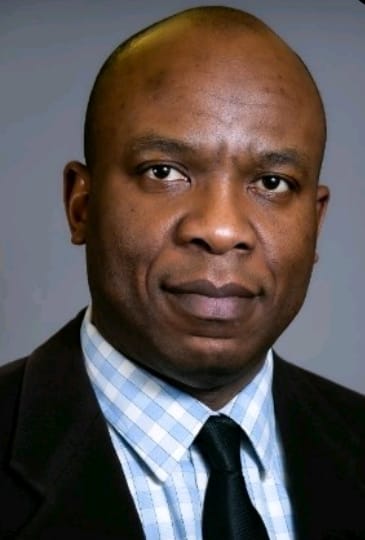

I have read Chief Femi Falana, SAN’s intervention on the Maryam Sanda case, as well as the many commentaries that followed it, and I remain unconvinced by the legal reasoning being advanced. This is not because concerns about elite privilege lack moral force, but because the constitutional argument being made risks collapsing doctrine into outrage.
To engage the issue properly, I revisited my old law school notes from my time at Northwestern Law. Although I am not a lawyer, that constitutional law class, taught by Professor Daniel Rodriguez, a foremost constitutional law scholar in the United States, left a clear lesson. Constitutional reasoning is about structure and limits, not selective authority. Artificial intelligence could summarise arguments, as many commentators have resorted to, but it cannot replace careful legal thinking or doctrinal discipline.
At the core of the debate is a simple point many commentators gloss over. A presidential pardon clears punishment, not guilt. It does not rewrite facts, erase findings, or proclaim innocence. Maryam Sanda remained a convicted murderer throughout the pendency of her appeal, and there was no publicly established record of a stay of execution. The conviction stood, even while under review.
Equally important is what did not happen. Sanda never rejected the presidential pardon or commutation granted to her. There is no public record of any attempt to renounce it, either personally or through counsel. Had the pardon been allowed to take full effect, the punishment would have been forgiven, while the conviction remained intact.

In that circumstance, the appeal would not have disappeared, but it would have been rendered practically moot as to punishment. The courts could still pronounce on guilt, but the penal consequence would already have been neutralised by executive clemency.





What is troubling is the suggestion that a properly issued presidential pardon can be retrospectively stripped of effect simply because a court later speaks. Moral discomfort with executive mercy does not convert a constitutional power into an illegality.
We should debate the wisdom of clemency. But we should not pretend that a pardon becomes legally meaningless by implication.


Abidemi, with a Master of Science in Law (MSL) from Northwestern University Pritzker School of Law, is Technical Editor at the Northwestern Law Magazine of Intersectional Law and Managing Editor of Newspot Nigeria.