By Idris Muhammed Abdullahi
Nigeria stands at a crossroads—torn between the promise of federal unity and the painful realities of regional inequality. Nowhere is this imbalance more pronounced than in the contrasting leadership cultures and economic outcomes between Northern and Southern Nigeria. Over the last decade, poor governance, nepotism, and empty notions of “empowerment” have hollowed out the North, while the South-West, under President Bola Ahmed Tinubu, has pursued a more strategic—albeit regionally skewed—model of empowerment that is visibly reshaping its socio-economic landscape.
The Buhari Years: Nepotism Over Nationhood
When Muhammadu Buhari ascended to the presidency in 2015, hope radiated across the North. A son of Daura was finally at the helm—many expected sweeping reforms, mass upliftment, and the revival of regional prosperity. But those hopes were dashed.
Rather than championing inclusive development, Buhari’s tenure was marred by elite entrenchment. Appointments and privileges were recycled among a narrow circle of political loyalists, childhood friends, and relatives. The ordinary Northerner—who placed so much hope in his leadership—was left behind. Industrialization was ignored. Youth employment stagnated. And no meaningful economic architecture was laid for the region’s long-term growth.
Instead, a culture of “portfolio billionaires” emerged—where individuals amassed staggering wealth not through innovation or business acumen, but through political proximity and state allocations. The North, though home to the Commander-in-Chief, became a graveyard of unrealized potential.




Tinubu’s Turn: Strategic Empowerment with Regional Roots
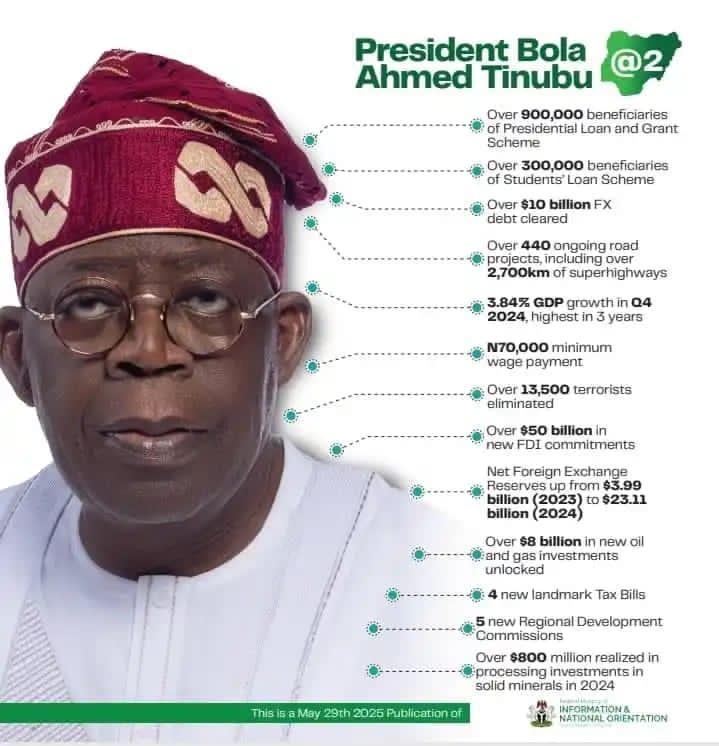
In contrast, President Bola Ahmed Tinubu has pursued empowerment through a different lens—regional, deliberate, and outcome-focused. While critics label it favoritism, the evidence of impact is hard to ignore.
Across Lagos and other South-West states, there’s a clear drive toward entrepreneurial growth. Tinubu’s influence has seen the rise of tech hubs, manufacturing clusters, entertainment powerhouses, and real estate booms. Sons and daughters of modest backgrounds now dominate fintech, arts, and startup scenes, backed by policies, infrastructure, and access.


This is not charity; it is strategy. “Empowerment,” under Tinubu, has come to mean equipping a generation to compete, build, and thrive. The ripple effects are palpable: jobs created, talents retained, wealth reinvested. The South-West elite now sit comfortably in commanding positions in Nigeria’s economy—not by chance, but by design.
Northern Paralysis: Privilege Without Purpose
Meanwhile, much of the North—particularly the North-West—remains entrenched in poverty, insecurity, and administrative paralysis. With fertile lands, a massive youth population, and vast mineral resources, the region should be Nigeria’s breadbasket and agro-industrial hub. Yet, it remains the poorest zone in the country.
Ask yourself: How many functional multi-billion-naira industries exist in Zamfara, Kebbi, Katsina, or Sokoto today? Where are the export zones, the tech incubators, the logistics hubs?
Northern leaders, unlike their Southern counterparts, have failed to transform political power into socio-economic progress. Instead of investing in their people, they chase fleeting contracts, share oil proceeds, and preserve dynastic wealth. Development is reduced to token gestures—roads without economic anchors, policies without impact, and projects without continuity.
Insurgency or Resource Grab?
It is increasingly evident that the crisis in the North is not merely ideological or religious. Beneath the cloak of insurgency lies a brutal contest for land, minerals, and influence. For every village razed or farmer displaced, someone gains unfettered access to untapped wealth. This silent war is driven not by creed, but by greed.
It is a war for gold, territory, and political dominance, masquerading as jihad. The human cost—thousands dead, millions displaced—is the collateral of elite maneuvering for resource control.
The Curse of Leadership Without Accountability
They say people deserve the leaders they elect. But how long must the North suffer under recycled elites—men in flowing agbada who deliver nothing but slogans, symbolic gestures, and lavish lifestyles funded by public money?
Children go to school hungry. Pensioners die waiting for payments. Youths remain jobless while leaders host destination weddings and invest in Dubai real estate. This is not fate. It is failure.
Regional Development Commissions: Promise or Pitfall?
The creation of regional bodies like the North-East Development Commission (NEDC) was meant to spark rebirth—to rebuild infrastructure, restore dignity, and revitalize the economy. But these platforms have been hijacked. Billions allocated for roads, schools, and hospitals disappear into the pockets of political vultures. Audits are rare. Impact is minimal.
The result? Communities continue to suffer while a handful grow richer under the guise of “development.”
Time for a Northern Awakening
It is time for the poor and marginalized in the North to wake up and demand more. What has loyalty to failed leaders brought them? Empty slogans, IDP camps, and deteriorating futures.
Empowerment must shift from handouts to hands-on development. From elite enrichment to people-centered planning. Until the North demands results, rejects mediocrity, and insists on leaders with a track record of building—not just campaigning—the poverty gap between North and South will only widen.
Rethinking Nigeria’s Unity: Equity as the Bedrock
Nigeria’s unity is not endangered by diversity in ethnicity or religion, but by inequity in governance and opportunity. When one region industrializes and empowers its citizens, while another survives on political patronage and aid, the union begins to unravel.
The North must break the cycle of decorative billionaires and elevate productive builders—leaders who create value, generate jobs, and build industries.
Let the next Northern leader be known not for titles, but for factories, farms, and forward-thinking policies. Leadership is not inheritance—it is a trust. And it must be earned.
If Nigeria is to thrive, every region must rise together. No region should be carried. All must stand.
Disclaimer: This article reflects the personal opinions of the author, Idris Muhammed Abdullahi, and not necessarily those of Newspot Nigeria or its editorial team. The views expressed are based on available data, observations, and the author’s professional perspective.