
By Newspot Nigeria Global Desk


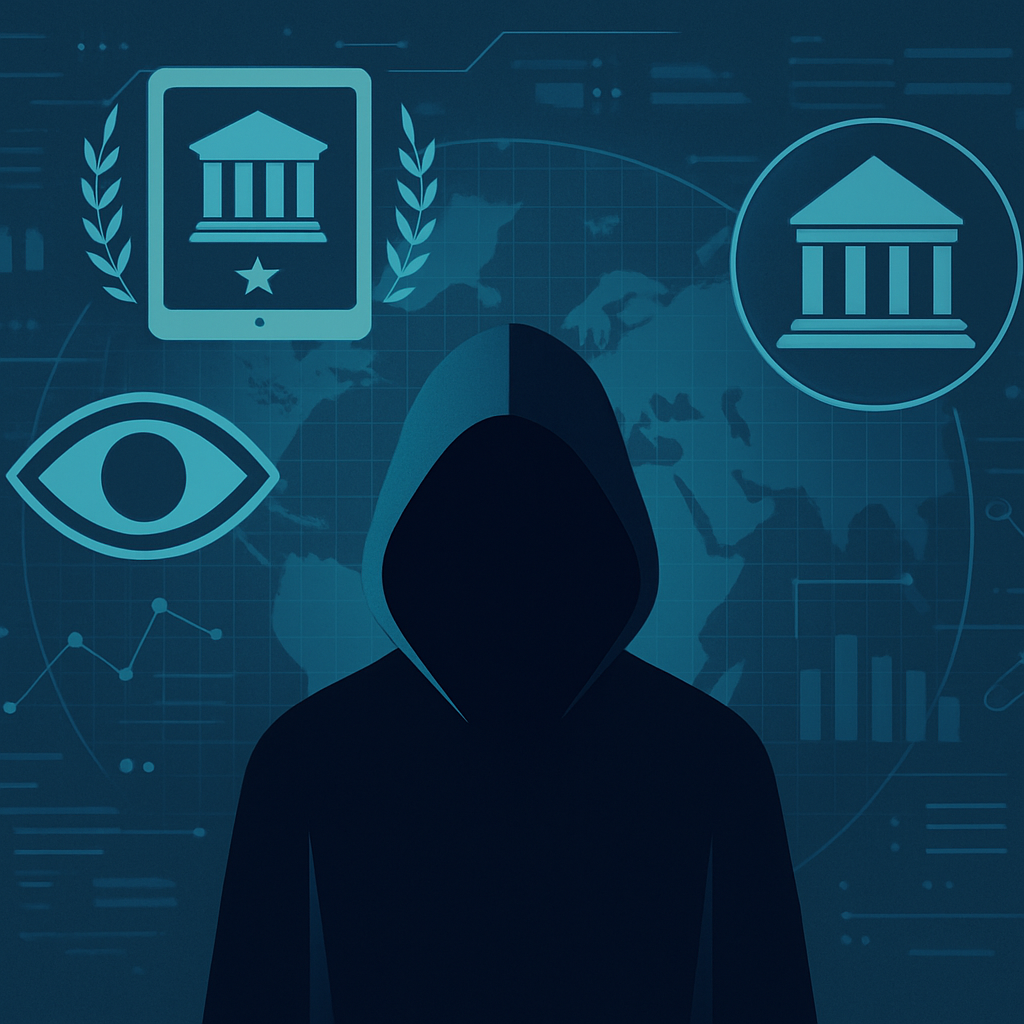
A chilling surveillance evolution is unfolding in the United States, with serious implications for privacy rights both within and beyond American borders. New investigations reveal that U.S. spy agencies, tax authorities, and law enforcement are collectively erecting a vast digital infrastructure—designed to streamline the purchase, analysis, and exploitation of highly sensitive personal data—often without court oversight.
At the heart of the effort is the Intelligence Community Data Consortium (ICDC), a forthcoming centralized platform developed by the Office of the Director of National Intelligence (ODNI). Once operational, this “one-stop shop” will allow agencies like the NSA, CIA, FBI, and DHS to browse and buy troves of commercially available information (CAI)—including real-time smartphone location pings, biometric data, and social media content—from a wide range of data brokers. These data sets, previously accessible only via warrants, are now being scooped up in bulk through legal loopholes and vendor partnerships.
Documents reviewed by The Intercept reveal that the ICDC will integrate artificial intelligence tools, including large language models and controversial sentiment analysis algorithms, to mine insights from this personal data. Critics warn that such tools have a track record of amplifying bias and discrimination, especially against marginalized groups.

Meanwhile, federal agencies such as the Internal Revenue Service and the Department of Homeland Security have already been contracting with brokers like Digital Envoy, the parent company of Outlogic (formerly X-Mode), to purchase precise location data harvested from unsuspecting users of dating, prayer, music, and weather apps. These apps include platforms popular among sensitive user communities, such as the LGBTQ+ Bro App and Muslim-focused prayer trackers.





Senator Ron Wyden (D-Oregon), an outspoken critic of warrantless surveillance, condemned the practice, stating:
“The government should not be able to use its credit card to get around the Constitution and purchase sensitive information without a warrant.”
Despite a supposed “code of ethics” introduced by Digital Envoy, critics like Jack Poulson of Tech Inquiry argue that rebranding and acquisition deals mask a “corporate shell game” designed to obscure persistent violations of privacy.


Government agencies have defended these purchases as necessary tools in the fight against tax fraud, trafficking, and even pandemic control. However, watchdogs fear that these justifications are being stretched to allow unchecked access to deeply personal data, all while the agencies themselves remain opaque and unaccountable.
The ICDC platform, expected to go live under President Donald Trump’s administration, will reportedly allow non-intelligence agencies to access its data pipeline. The platform will also hide the identities of analysts using it, obscuring accountability for who accesses Americans’ and possibly foreigners’ data.
“The irony is not lost that the intelligence community is working to protect its own anonymity while vacuuming up the private lives of millions,” said Calli Schroeder, a senior counsel at the Electronic Privacy Information Center.
The implications of this surveillance infrastructure go beyond U.S. borders. With the ability to collect and analyze global data, including foreign users interacting with U.S.-based apps or platforms, this raises red flags in Africa, Asia, Europe, and elsewhere. Nigeria, in particular, where smartphone use is skyrocketing and apps dominate communication and navigation, may unknowingly become a target zone in this sprawling surveillance net.
As international debates about digital sovereignty, ethical AI, and transnational data governance intensify, the U.S. government’s quiet construction of this surveillance megastructure is likely to spark further scrutiny. If left unchecked, it could provide a model for authoritarian regimes—or a cautionary tale of what happens when privacy becomes the currency of power.
For continued updates on global surveillance, technology ethics, and civil liberty implications, stay connected with Newspot Nigeria — where global stories meet African relevance.