By the Editorial Board, Newspot Nigeria
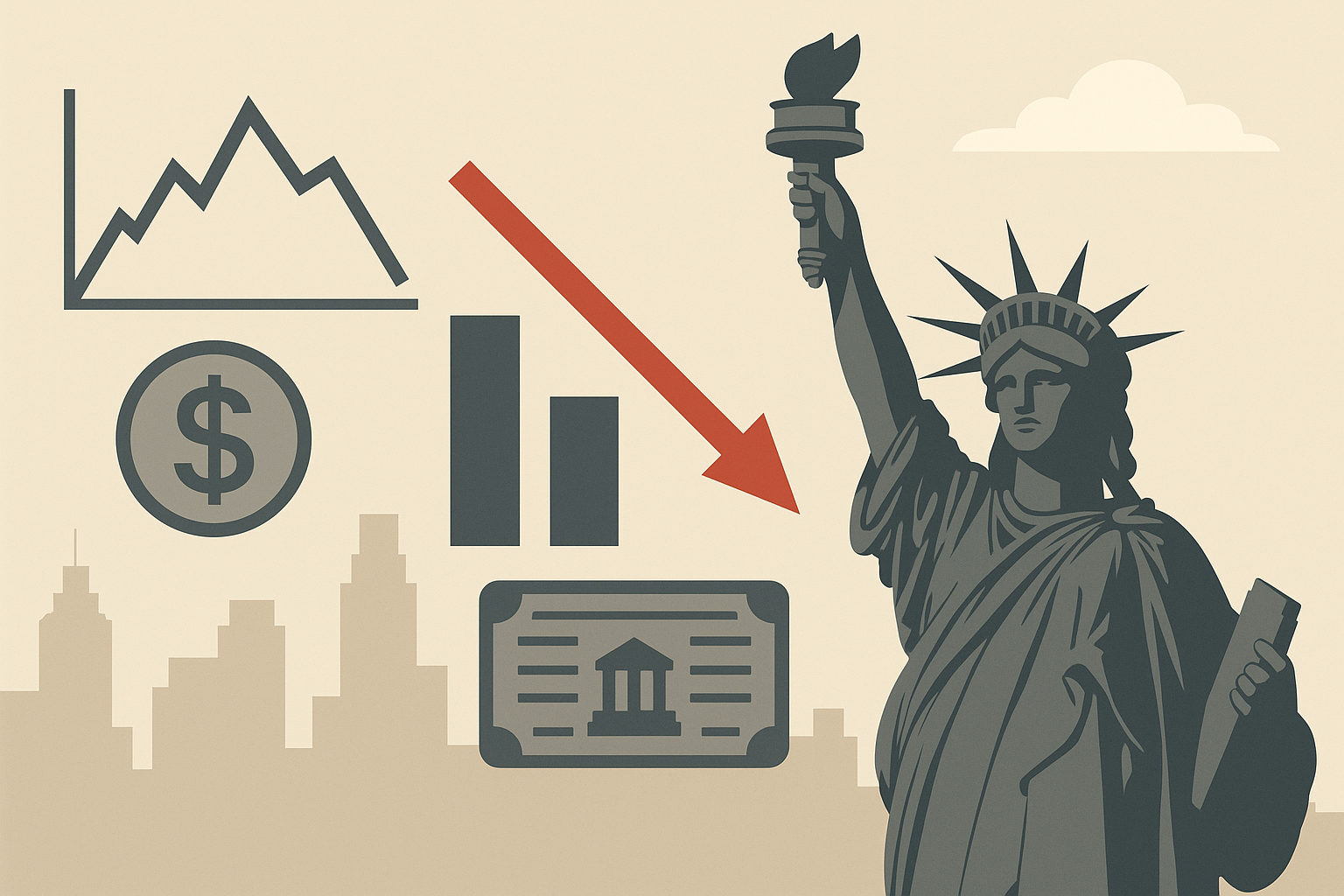
As global markets react to the mixed signals from the United States, Nigeria’s economic policy elite must take note—but not blindly follow. Morgan Stanley’s recent analysis, led by Lisa Shalett, warns that the obstacles to a new American bull market remain firmly in place. Despite temporary relief in market volatility thanks to calming remarks from U.S. Treasury Secretary Scott Bessent, deeper structural weaknesses persist. Stagflation looms, U.S. debt is spiraling, and the global appetite for U.S. assets—including the once-sacrosanct dollar—is waning. Nigeria should draw lessons from this instability—not admiration.
The U.S. faces a dual-edged threat: stagnant growth alongside persistent inflation. Sound familiar? These are economic ghosts Nigeria knows all too well. However, unlike the U.S., Nigeria cannot rely on global investor sentiment, trillion-dollar liquidity cushions, or reserve currency status to bail itself out. If the most advanced economy in the world is struggling to inspire investor confidence despite institutional might, then what hope lies for developing economies that copy U.S. models without adaptation?
Furthermore, the ballooning U.S. debt, now projected to lead to an annual interest burden of $2 trillion if unchecked, is a cautionary tale. Nigeria’s own debt-service-to-revenue ratio already exceeds alarming thresholds. If Washington’s growing debt profile is rattling global markets, Abuja’s should provoke urgent policy overhaul—not more borrowing for “palliatives” and consumption.

And let’s talk tariffs. The Trump administration’s aggressive trade policies have introduced a volatility that should give Nigerian policymakers pause. In trying to shield local industries without a concrete production base or robust export alternatives, Nigeria risks becoming a closed economy with rising costs and reduced competitiveness. The U.S. may have strategic cards to play—such as its dominance in tech or control over global capital—but Nigeria does not. Copying American-style protectionism without the structural underpinnings is economic suicide.





Morgan Stanley’s recommendation to investors is telling: prioritize diversification, bet on quality, and brace for further volatility. Nigeria must do the same, but in policy—not portfolios. We need to diversify our economy, invest in quality governance, and prepare our citizens for the long haul, not the next election cycle.
Nigeria should stop chasing the illusion of macroeconomic stability through Western validation—be it via IMF commendations or American policy mimicry. Instead, we must define a path grounded in our realities, driven by prudent fiscal reforms, investment in production, and regional trade growth.


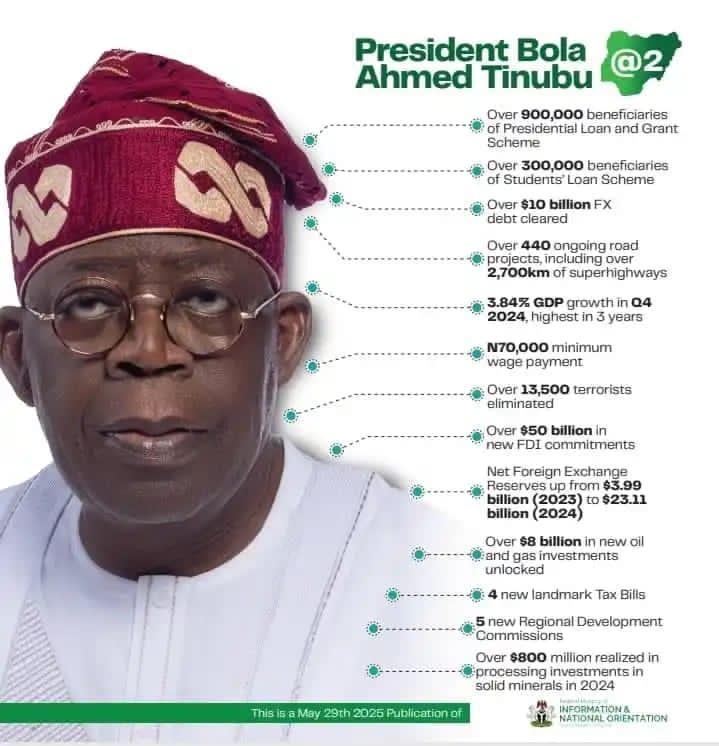
Newspot Nigeria urges the Tinubu administration to draw the right lessons from America’s fragile bull market: strong economies don’t bluff their way into prosperity—they earn it through hard decisions, real reforms, and self-awareness.
—Endorsed by the Editorial Board, Newspot Nigeria.