

By Newspot Nigeria Science Desk
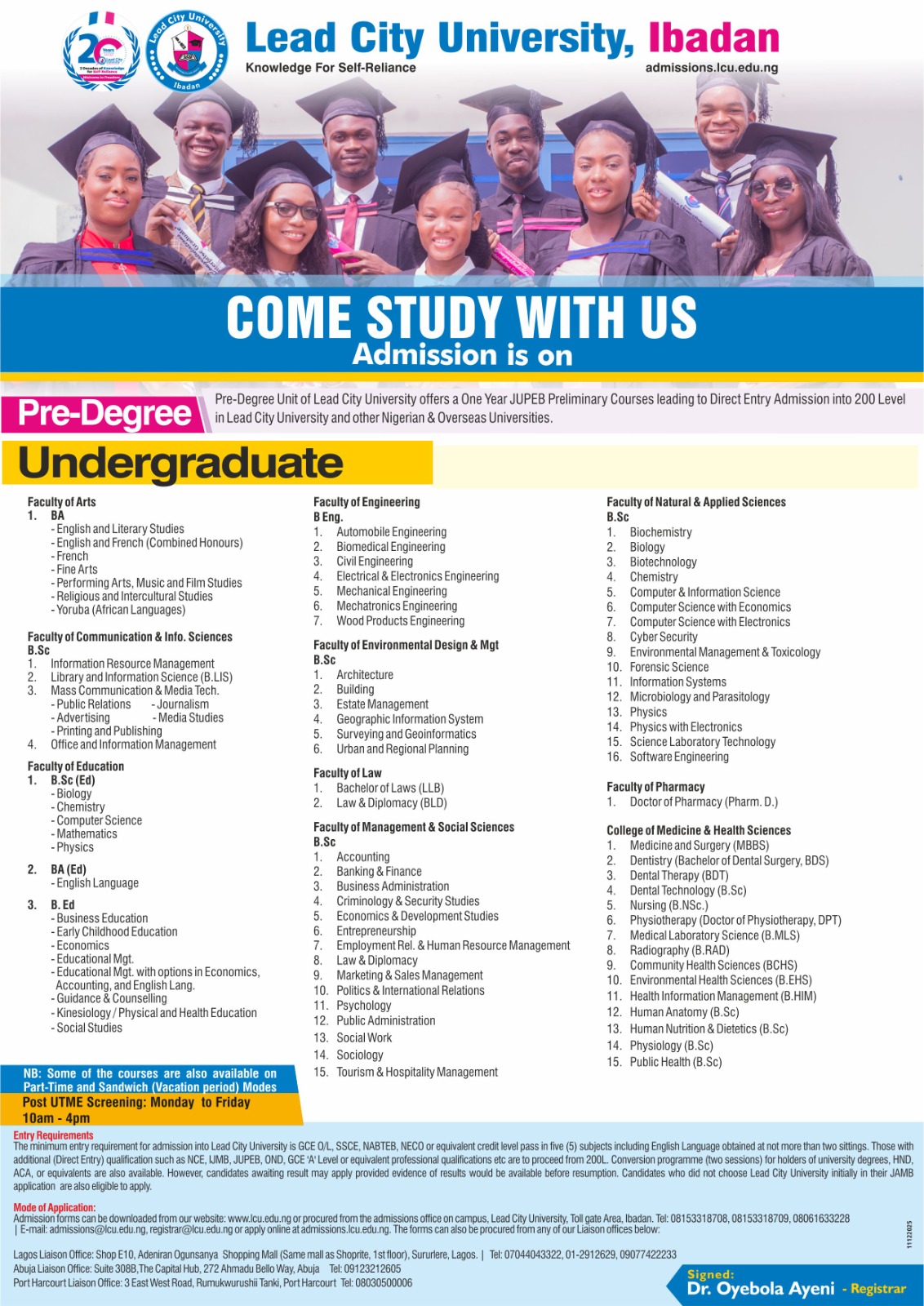
👦🏽 Let’s say you want to find out if eating beans makes kids run faster. You look around and see:
- Some kids already eat beans every day.
- Some kids don’t eat beans at all.
You don’t tell anyone what to eat—you just watch them. The bean-eaters run faster. But wait… is that a fair test? 😮
Nope! You didn’t choose the kids by chance (that’s what grown-ups call “random”). You just used the groups as you found them. That’s called a quasi-experiment (say it slowly: kwa-zee ex-pair-ree-ment 🗣️).

🛠️ What does that mean in simple words?
- Quasi = almost.
(It’s not a full experiment, just something close to it.) - Experiment = a smart test.
(You change one thing and watch what happens.) - Random = picking by chance.
(Like closing your eyes and pointing at a name—anyone can be chosen!) - Treatment = the new thing you want to try.
(Like giving beans to some kids to see if it helps.) - Control group = the group that doesn’t get the new thing.
(They help you compare, like the “before” picture in a makeover!) - Confusing stuff (Confounders) = other things that can mess up your test.
(Like maybe bean-eaters also sleep better—was it beans or sleep that helped?) - Pre-test and post-test = checking before and after.
(Like timing your running speed before and after eating beans for one month.)
🧪 So why use a quasi-experiment?
Sometimes, scientists and teachers can’t tell people what to do. For example:





- You can’t make people stop eating beans.
- Or it’s not safe or fair to change people’s medicine just for a test.
- Maybe the government already made a change, and you want to see if it worked.
So instead, you just watch what’s already happening, compare two groups, and try to be as fair as possible.
🔍 Even though it’s not a perfect test, it still helps us learn. It’s like watching two football teams play—you didn’t pick the teams, but you can still say who played better and why! ⚽⚽


🎓 Big scientists use this method in Nigeria to study:
- If a new farming rule helped farmers in one state more than another,
- If a school program helped kids learn faster in one town,
- Or if a new law helped reduce accidents in only some areas.
👦🏾 So remember, even if we can’t control everything, we can still learn something smart—that’s the magic of quasi-experiments! 🌟
✅ Think Bit powered by Newspot Nigeria – explaining big ideas in simple ways for you and your younger ones!