
By Newspot Nigeria Tech Desk


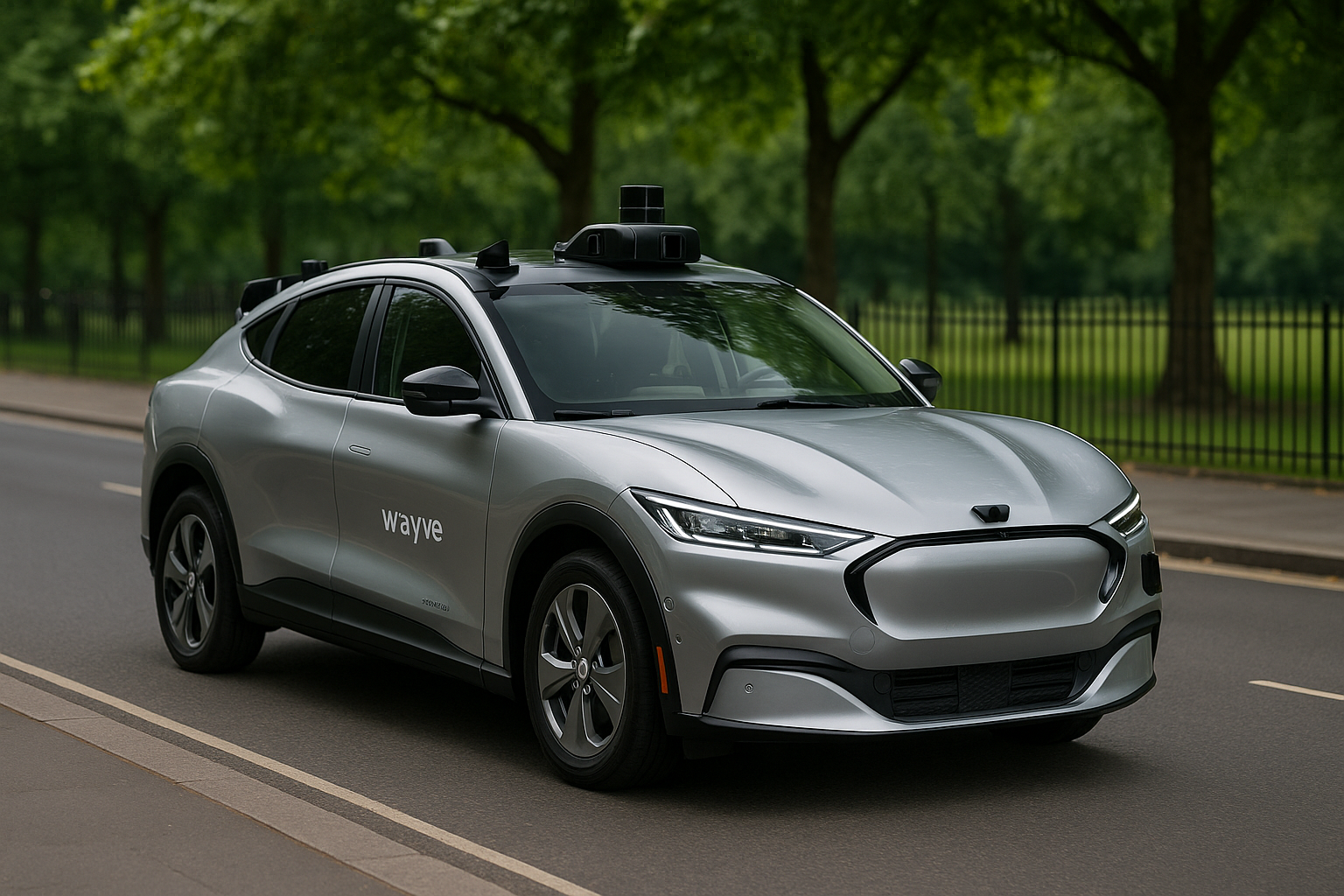
Uber is set to begin trials of fully driverless taxis in London by spring 2026, marking a major milestone in the evolution of autonomous transport in the United Kingdom. The ride-hailing giant is partnering with British artificial intelligence firm Wayve, whose autonomous driving technology has already been tested across London’s bustling streets—though until now, always under the watchful eye of a human safety driver.
This trial, however, will break new ground by removing the human fallback entirely.
The announcement comes hot on the heels of new UK government policy adjustments. While earlier legislation had delayed widespread rollout of driverless vehicles until late 2027, authorities now say they’re fast-tracking small-scale commercial deployments like autonomous taxis and mini-buses. The Department for Transport projects that the driverless vehicle industry could generate 38,000 jobs and contribute £42 billion to the British economy by 2035.

Although Uber has yet to confirm whether London customers will be able to book these robotaxis immediately, it has reiterated its ambition to integrate the service into its UK app once legislation permits.





This move follows Uber’s launch of a robotaxi fleet in Austin, Texas, earlier this year, where customers can choose to ride in autonomous vehicles at no extra charge. Rival Tesla is expected to enter the same market soon. Elsewhere, cities like Shanghai, Dubai, and Singapore have already made significant strides in integrating driverless cars into public transport systems.
Zoe Kleinman of the BBC reported firsthand from inside one of Wayve’s AI-equipped vehicles—a Ford Mach-E—on a 30-minute trip through central London. Despite the absence of direct human control, the vehicle adeptly navigated heavy traffic, cyclists, and even a pedestrian on crutches, all while maintaining a calm, cautious demeanor.


Still, public concerns remain. Andy Prendergast, national secretary of the GMB union, warned last month that “significant social implications,” especially potential job losses in the transport sector, must be thoughtfully addressed before any mass rollout.
International data, particularly from the United States, suggests that autonomous vehicles may reduce accident rates overall. Yet incidents, including passengers being locked inside robotaxis and system malfunctions—like those that led to the suspension of a service in San Francisco—continue to fuel skepticism.
Wayve’s technology uses sensors, radar, and real-time AI to respond dynamically to road conditions. While the tech appears promising, whether British commuters will embrace driverless cabs without hesitation remains to be seen.
For Nigeria, the trial signals opportunities and challenges alike. If successful, the UK experiment could serve as a case study for cities like Lagos or Abuja—where congestion, driver fatigue, and road safety concerns abound. However, the critical question remains: Can such innovation be adapted to Nigerian roads and regulatory frameworks without deepening the unemployment crisis?
As the global race for autonomous mobility accelerates, Newspot Nigeria will continue to track and report the implications for African markets and beyond.
Stay tuned to Newspot Nigeria for tech, transport, and policy updates that matter. 🚘✨