

By Newspot Nigeria Science Desk

Despite decades of research, scientists still don’t fully understand how humans recognize specific smells like that of a banana, says world-renowned neurobiologist Peter Mombaerts, who leads the Max Planck Research Unit for Neurogenetics in Frankfurt, Germany.
In a revealing interview with Knowable Magazine, Mombaerts — who has spent more than 30 years studying the neuroscience and genetics of smell — admits that while we know humans possess about 400 odorant receptor genes, and each plays a role in detecting smells, the precise brain mechanism that allows us to say “this is banana” remains elusive.
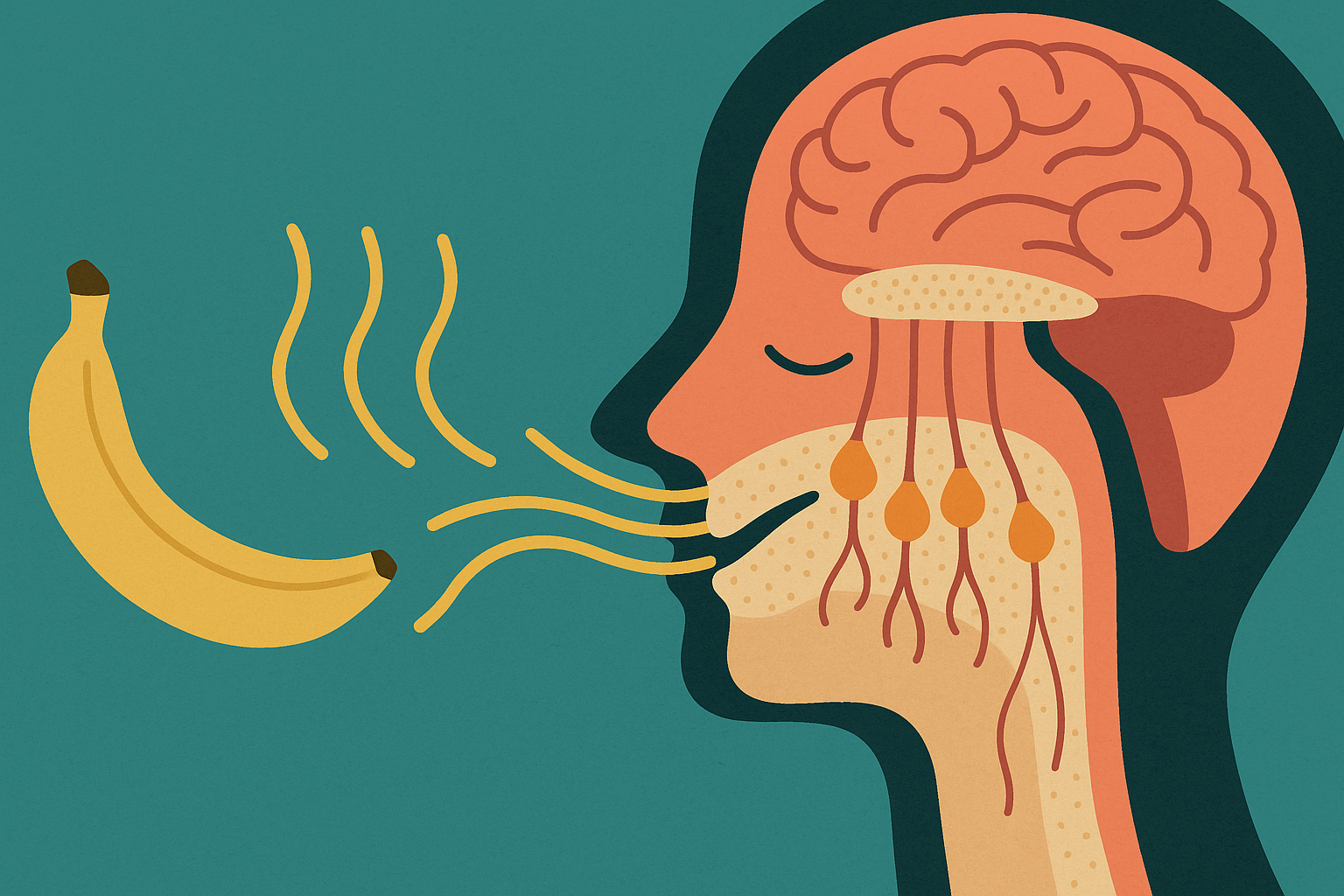
Smells are processed when airborne molecules interact with receptors in the olfactory epithelium. These receptors signal the brain’s olfactory bulb, which then helps the brain make sense of the scent. But the complex interplay of hundreds of molecules in odors like banana, and how we recognize them as a single scent, remains one of science’s greatest mysteries.

🧬 Interestingly, different species possess dramatically different numbers of odorant receptor genes — African elephants top the chart with over 2,000 receptors, while humans have about 400. But more genes don’t necessarily mean a stronger sense of smell.





🦠 Mombaerts has also contributed to research on Covid-19-related smell loss, finding that the virus doesn’t attack smell neurons directly. Instead, it targets supporting cells, which indirectly impair smell. This damage can last weeks or even become permanent for millions globally, underscoring the urgent need for deeper understanding and medical solutions.
Other ongoing mysteries in the field include how neurons choose which receptor gene to express (from 1,141 options in mice) and how they wire correctly into the brain. Mombaerts’ passion for these questions remains undimmed after decades of pursuit.


As millions continue to suffer post-Covid olfactory damage, Mombaerts calls on the global science and health community to continue investing in olfactory research. It may not kill you, he notes, but losing your sense of smell can severely affect your quality of life — from tasting food to sensing danger.
For more on the frontiers of science and health, keep reading Newspot Nigeria, where we translate global discoveries into insights that matter for everyday life. 🌍📰