Democracy Day Commentary | Newspot Nigeria Editorial – June 12 Edition
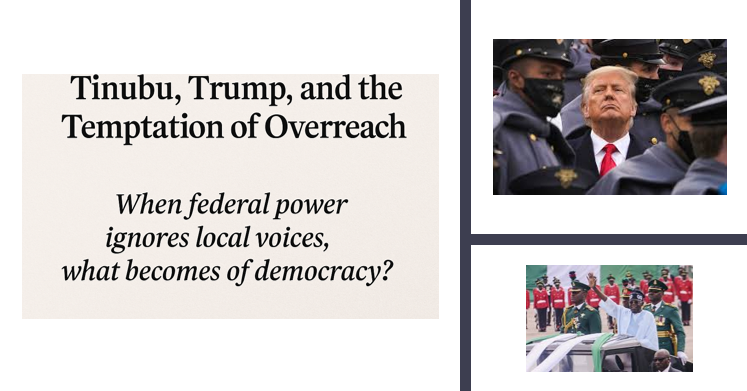
When federal power ignores local voices, what becomes of democracy?
What do California and Rivers State have in common? On the surface—nothing. One’s on America’s West Coast, the other on Nigeria’s southern delta. But in recent weeks, these two places have become the stage for a very similar story: federal power overriding state authority in ways that are raising alarm bells about the health of democracy.
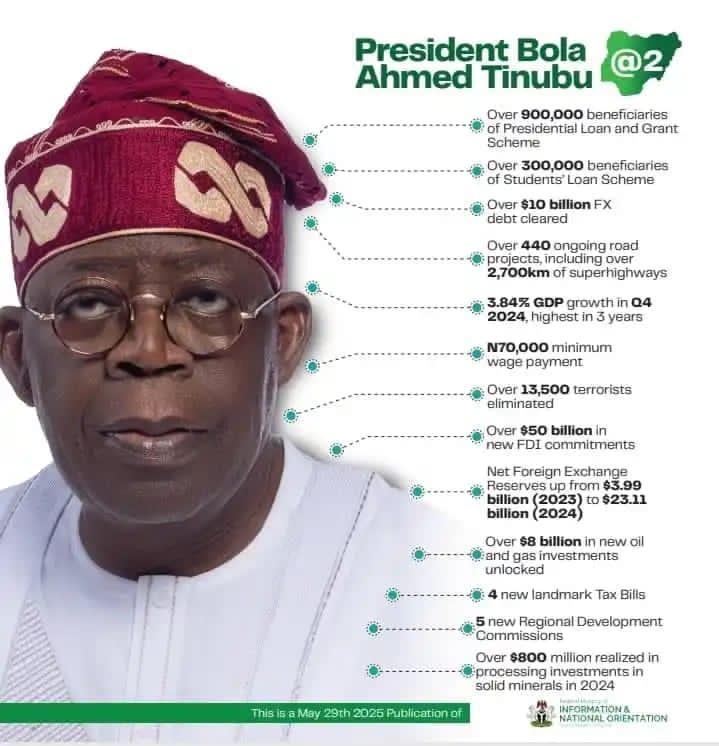
In the United States, President Donald Trump sent thousands of federalized National Guard troops into Los Angeles, against the wishes of California’s Governor Gavin Newsom, to crack down on protests linked to immigration enforcement. In Nigeria, President Bola Ahmed Tinubu approved a controversial intervention in Rivers State, suspending parts of the democratic process and essentially stepping into a political crisis that local actors were still trying to manage.
Let’s be clear: these are two different countries with very different systems. But the tactics—top-down muscle flexing, citing “emergency” threats, and bypassing local leadership—are unsettlingly similar.

🧱 The Excuse of Emergency
Both presidents claimed chaos as their reason. Trump pointed to “violent mobs” and a supposed rebellion against federal immigration enforcement. Tinubu’s camp referenced “threats to peace and order” in Rivers. But in both cases, local officials didn’t ask for help—and in fact, opposed the intervention.





Governor Newsom called Trump’s move “inflammatory.” In Rivers, many residents saw the federal action as overkill—especially when state institutions were still functioning. Was this really about restoring order, or was it about asserting dominance?
🗳️ Undermining Elected Leaders
There’s something deeply unsettling about watching federal power bulldoze over elected state governments. Trump ignored the governor of California. Tinubu, through federal agencies, undercut the elected Rivers State governor and suspended the state assembly.


It sends a clear message: your vote matters, but only up to a point.
🎖️ Militarization, From Borders to Backyards
Trump didn’t just send troops—he’s building an entire immigration enforcement machine by deputizing local police and even National Guards through 287(g) agreements. It turns soldiers into immigration cops.
In Nigeria, federal security forces have been used to influence political outcomes—not for national defense, but for internal political control. We’ve seen it before. Now it’s creeping back.
⚖️ Democracy or Decree?
Both moves raise questions about the rule of law versus rule by executive order. In the U.S., Trump is testing the limits of the Posse Comitatus Act and flirting with the Insurrection Act to bypass legal boundaries. In Nigeria, Tinubu’s emergency-like intervention skirts around the constitutional requirements of Section 305, which outlines how a state of emergency should be declared.
When leaders start sidestepping legal frameworks to impose their will, democracy starts looking a lot more like authoritarianism dressed in civilian clothes.
🌍 Why This Should Worry Us
What’s happening in California and Rivers State reflects a global trend: central governments using crises—real or exaggerated—to justify power grabs. And it’s often done in the name of “law and order.” But true order doesn’t come from tanks on the streets or silencing local voices. It comes from dialogue, accountability, and respect for institutions.
If we keep trading democratic process for strongman decisions, we may one day look around and wonder where our democracy went.
📰 At Newspot Nigeria, we believe that power must be checked—whether it wears a suit or a uniform, and whether it governs in Washington or Abuja. The road to tyranny is often paved with emergency powers.