By Newspot Nigeria Business Desk
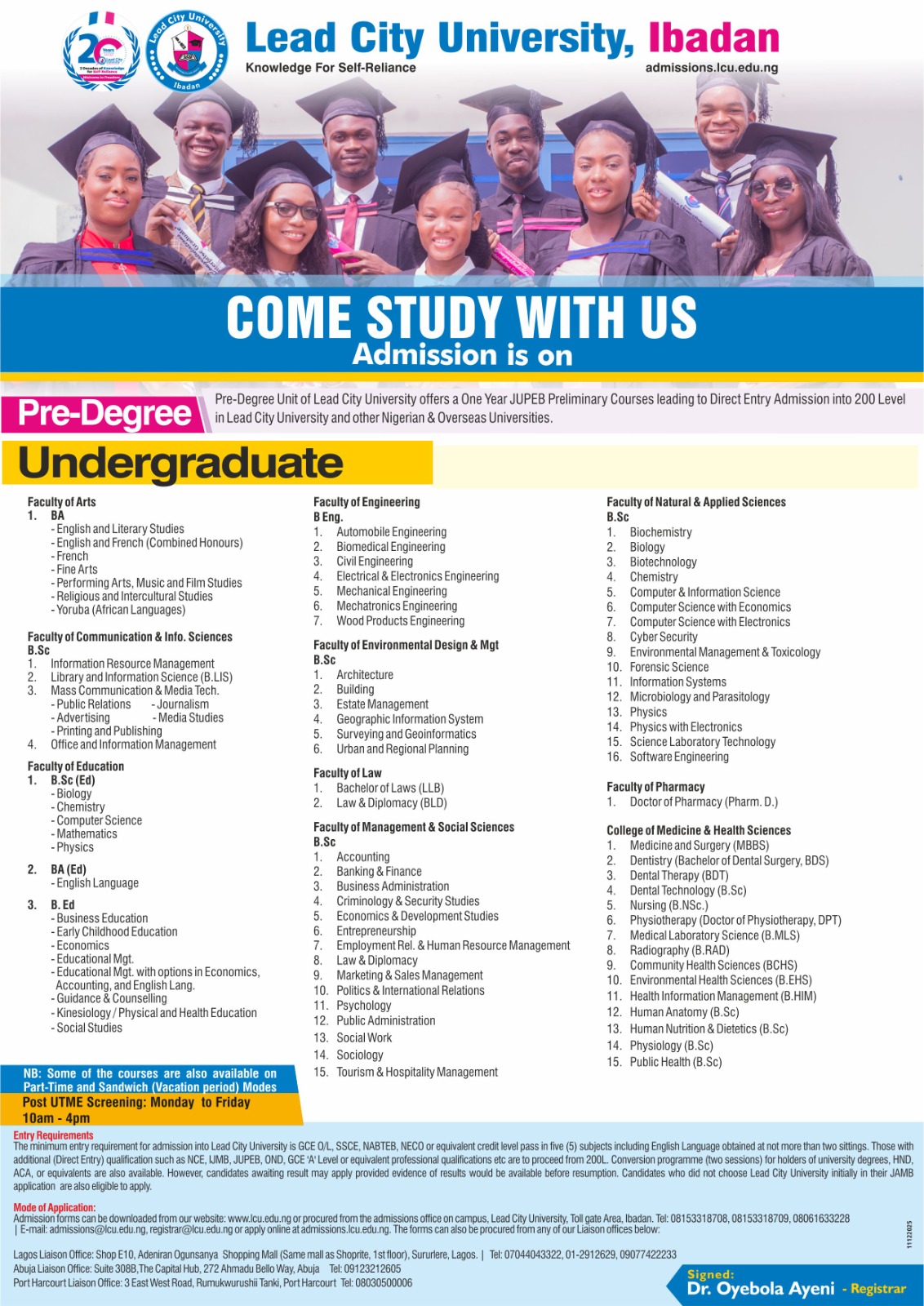
Chinese electric vehicle manufacturers are increasingly shifting their focus from aggressive price competition to artificial intelligence-powered driving technology as they seek new ways to sustain growth in a tightening market.
According to investment banking giant Morgan Stanley, the next major battle in China’s electric vehicle industry may no longer be centered on who can build the cheapest EV, but rather on which company can develop the smartest autonomous driving systems and in-car AI experiences.
Tim Hsiao, Head of Greater China Auto and Shared Mobility Research at Morgan Stanley, said the future of competition among Chinese automakers would likely center on autonomous driving capabilities, especially as traditional methods of differentiating vehicles become less effective.

“It will be difficult for carmakers to differentiate themselves by introducing new EVs,” Hsiao said in an interview with the South China Morning Post. “To do so, they will need to upgrade their autonomous driving AI capabilities, both for driving and the in-car experience.”





The shift comes as Chinese automakers continue to face slowing domestic demand following Beijing’s scaling back of EV subsidies earlier this year. The subsidy reduction has weakened sales momentum and intensified concerns about another round of damaging price wars among manufacturers.
Chinese authorities have repeatedly warned automakers against engaging in aggressive undercutting strategies that squeeze profit margins and destabilize the industry.


Industry figures released by the China Passenger Car Association showed that China’s automotive sector recorded a profit margin of just 3.4 percent during the first four months of 2026. That figure remains significantly lower than the 6.1 percent average profit margin recorded across other downstream manufacturing sectors.
As a result, many EV manufacturers are now pouring resources into autonomous driving technology and advanced AI integration in hopes of creating new revenue opportunities and long-term market dominance.
The transition is expected to accelerate the rollout of Level 3 autonomous driving systems, which allow vehicles to drive themselves under certain conditions with minimal human intervention. Most current Chinese EVs operate at Level 2 or Level 2+, where drivers must still maintain active supervision.
Chinese EV giant BYD is already moving aggressively in that direction. During a recent press conference in Shenzhen, founder and chairman Wang Chuanfu announced that the company had developed China’s first domestically produced 4-nanometre intelligent driving chip capable of supporting Level 3 and Level 4 autonomous driving systems.
BYD also pledged to invest more than 100 billion yuan, equivalent to about $14.8 billion, in research and development to advance autonomous driving technology and reduce road accidents through AI-powered systems.
Morgan Stanley believes artificial intelligence remains one of the few areas where automakers can continue making large-scale investments with the potential for major long-term returns.
Despite weaker domestic demand, the global outlook for Chinese EV exports remains strong. Morgan Stanley recently revised its forecast for China’s domestic auto sales in 2026 to flat growth compared to 2025 levels. However, the firm expects export volumes to surge by up to 88 percent as Chinese automakers expand aggressively into international markets.
The growing AI race among Chinese EV makers is also expected to intensify global competition in the automotive industry, especially as manufacturers from the United States, Europe, and South Korea continue investing heavily in self-driving technologies and smart vehicle ecosystems.
Analysts believe the companies that successfully combine affordability, battery efficiency, and advanced AI capability may dominate the next phase of the global electric vehicle market.