

By Newspot Nigeria Editorial Board


Artificial intelligence is becoming an increasingly common source of guidance for people seeking answers to personal, emotional, and professional challenges. However, a leading Japanese expert has cautioned that while AI may appear empathetic, users should not mistake machine-generated responses for genuine human understanding.
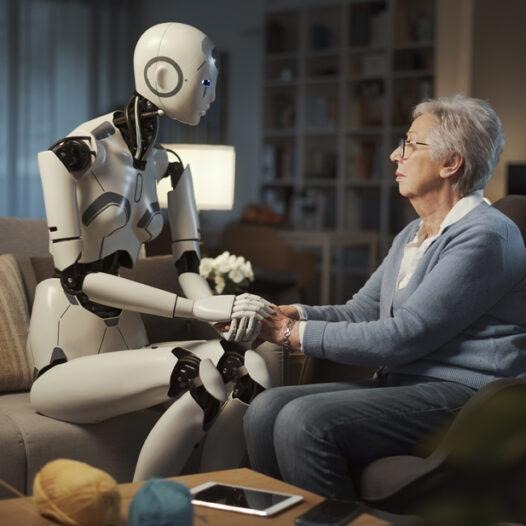
According to a recent report by The Mainichi, the expert warned that advances in conversational AI have created what some researchers describe as an “empathy illusion”: the impression that a machine truly understands human emotions when, in reality, it is generating responses based on patterns in data rather than lived experience or emotional awareness.
The warning comes as millions of people worldwide turn to AI-powered chatbots for advice on relationships, mental health concerns, career decisions, and everyday life challenges. While these tools can provide useful information, emotional support, and structured guidance, experts argue that they cannot replace the depth of understanding, accountability, and human connection offered by family members, friends, counselors, or trained professionals.

Researchers note that one of AI’s greatest strengths is its ability to respond quickly, without judgment, and at any time of day. These qualities can make users feel heard and understood. Yet the danger lies in assuming that AI possesses genuine empathy or emotional intelligence comparable to human beings.





The expert emphasized that AI systems do not experience emotions, possess consciousness, or understand personal circumstances in the same way people do. As a result, users should approach AI-generated advice with caution, particularly when dealing with serious mental health, legal, financial, or life-altering decisions.
The discussion reflects a broader global debate about the growing role of artificial intelligence in daily life. As AI becomes more sophisticated and accessible, policymakers, researchers, and technology companies continue to grapple with questions surrounding trust, responsibility, and the appropriate boundaries between human relationships and machine assistance.


While AI can serve as a valuable tool for information, brainstorming, and problem-solving, experts stress that human judgment remains irreplaceable. The challenge moving forward may not be whether AI can imitate empathy, but whether society can distinguish between simulated understanding and genuine human care.