From Dispatch Room


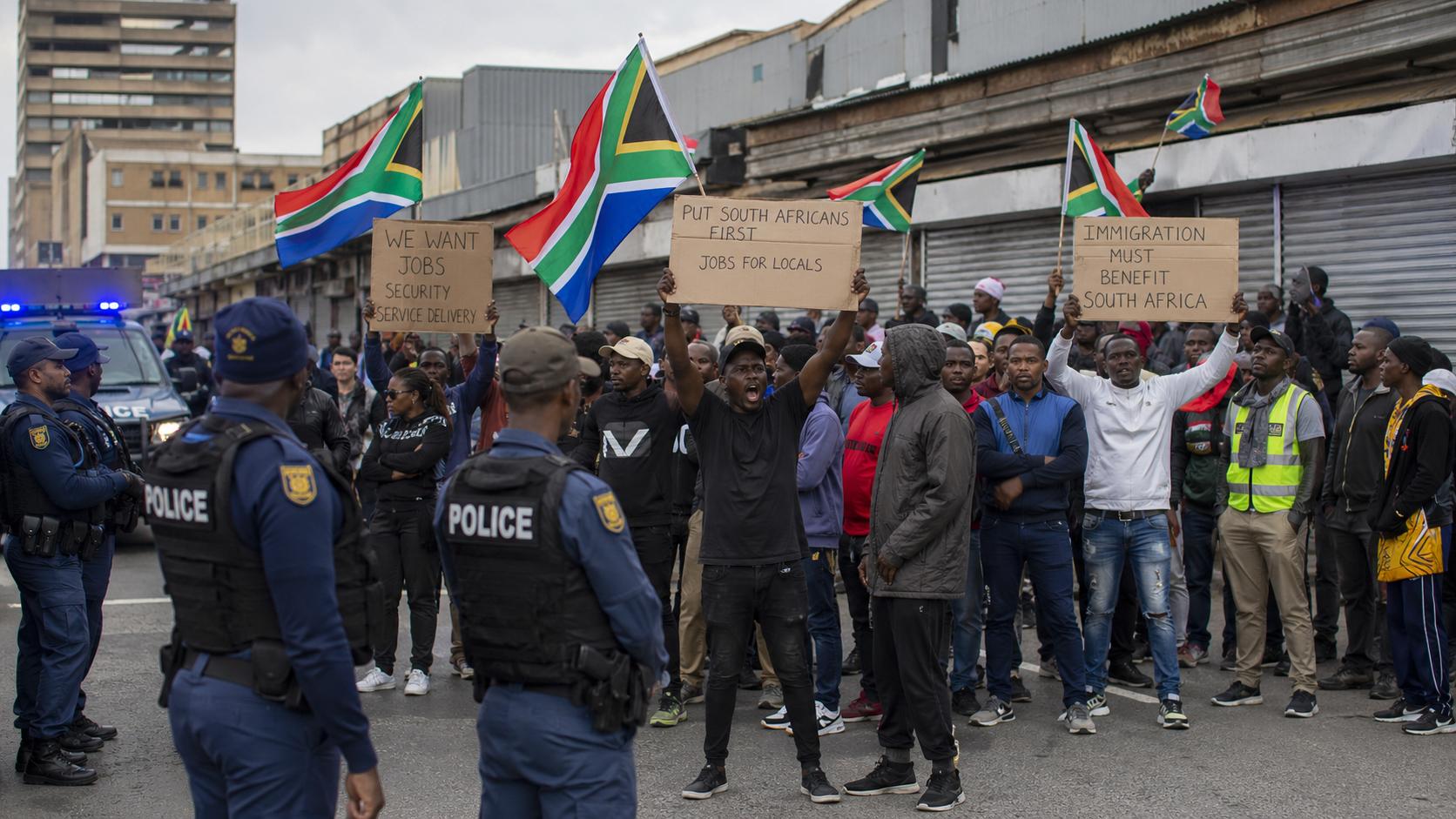
South African authorities have promised firm action against xenophobic attacks and intimidation targeting foreign nationals, following fresh concerns over anti-foreigner protests and viral videos showing migrants being harassed.
The issue gained renewed attention after Ghana summoned South Africa’s envoy over videos circulating online, including footage allegedly showing a Ghanaian being confronted in KwaZulu-Natal and told to leave the country. Ghana’s Foreign Affairs Minister, Samuel Okudzeto Ablakwa, called for urgent intervention to prevent the situation from escalating further.
South Africa’s Police Ministry said those involved in acts of xenophobic violence or intimidation would be identified and prosecuted. Foreign Affairs Minister Ronald Lamola also warned that such conduct undermines South Africa’s constitutional values and threatens social cohesion.

The latest tension comes amid renewed activities by anti-migrant groups and online campaigns blaming foreigners for unemployment, crime, pressure on public services, and economic hardship. A report by Disinfo Africa said hashtags such as #PutSouthAfricansFirst, #OperationDudula, and #ProtectSouthAfricaAtAllCost gained traction in March 2026, with some posts spreading misleading videos, recycled footage, and unverified claims against migrants.





Rights groups have long warned that South Africa’s economic frustrations are increasingly being redirected at migrants, many of whom are also Africans from countries such as Zimbabwe, Nigeria, Ghana, Malawi, Mozambique, Zambia, Somalia, Ethiopia, and others.
Reports also indicate that some anti-immigration organisers are planning a countrywide shutdown for May 4, with messages demanding that both documented and undocumented foreigners leave South Africa.


South Africa has experienced repeated waves of xenophobic violence over the years, with migrants often accused of taking jobs, running illegal businesses, or worsening crime. However, migrant rights advocates argue that such claims oversimplify deeper problems of inequality, unemployment, poor governance, and weak public service delivery.
The latest developments have raised concern across Africa, especially as South Africa remains home to many foreign nationals who work, study, trade, and run businesses in the country.
Authorities are now under pressure to prevent street-level hostility from turning into wider violence, while also addressing legitimate immigration and law enforcement concerns without allowing foreign nationals to become scapegoats for South Africa’s domestic challenges.
— Newspot Nigeria