

From Dispatch Room


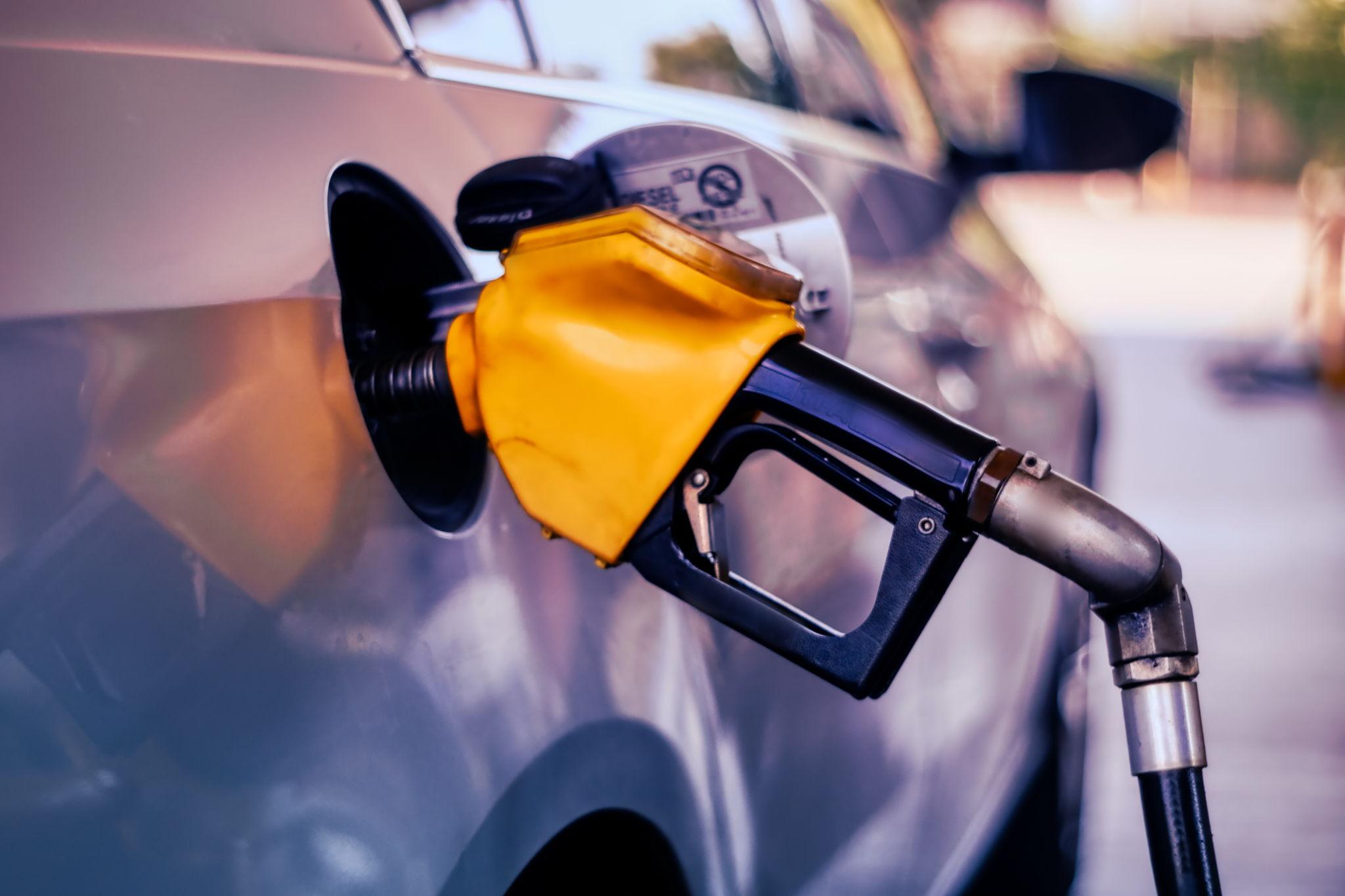
U.S. Energy Secretary Chris Wright has said gasoline prices in the United States may remain above $3 per gallon until next year, despite signs that prices may have already peaked.
Speaking on CNN, Wright noted that while a drop below the $3 mark is possible later this year, it could take until 2027 before that level is consistently reached. He expressed optimism that prices would begin to ease, particularly if the ongoing conflict involving Iran de-escalates.
The rise in fuel prices has been closely linked to geopolitical tensions stemming from the U.S. and Israeli conflict with Iran, as well as disruptions to oil supply routes in the region. These developments have created political pressure for Donald Trump, especially ahead of the November midterm elections where his party is defending narrow majorities in Congress.

Current data from AAA shows that the national average price for regular gasoline stands at $4.05 per gallon, significantly higher than the $3.16 recorded at the same time last year.





Other members of the administration have offered slightly more optimistic timelines. Treasury Secretary Scott Bessent recently suggested that prices could fall to around $3 per gallon by the summer, while President Trump has indicated that elevated prices may persist through November.
Beyond consumer fuel costs, the conflict has also raised concerns in the aviation sector. U.S. Transportation Secretary Sean Duffy warned of temporary jet fuel shortages due to supply disruptions, though he added that availability is expected to improve as tensions ease.


Although a 10-day ceasefire agreement was reached between the U.S. and Iran, recent reports of attacks on vessels in the Strait of Hormuz have cast doubt on its durability. The Trump administration has warned of severe consequences if hostilities continue, including potential strikes on critical infrastructure in Iran.
Analysts say the trajectory of global oil prices—and by extension, gasoline costs—will depend heavily on how quickly stability returns to the region. For now, American consumers may need to brace for sustained high fuel costs in the near term.
— Newspot Nigeria