
By Newspot Nigeria Editorial Desk


As military tensions involving Iran, Israel, and the United States intensify, some conservative evangelical Christians in the United States are interpreting the conflict through the framework of biblical prophecy.
According to religion scholar Shalom Goldman of Middlebury College, writing in The Conversation, many believers are “mapping end-time prophecies on to current events in the Middle East,” seeing the unfolding war not simply as geopolitics but as part of a divine timeline.
In a March 1 sermon cited in the analysis, American pastor John Hagee, founder of Christians United for Israel, framed the conflict in prophetic terms.

“Prophetically, we’re right on cue,” Hagee said, praying that “God Almighty is brought onto the battlefield and the enemies of Zion and the enemies of the United States can be destroyed before our eyes.”
Similarly, Christian activist and singer Sean Feucht suggested that the turmoil in Iran could open the door to what he called “the end-time open doors of what (God) is going to do in Iran when this regime is prayerfully removed.”





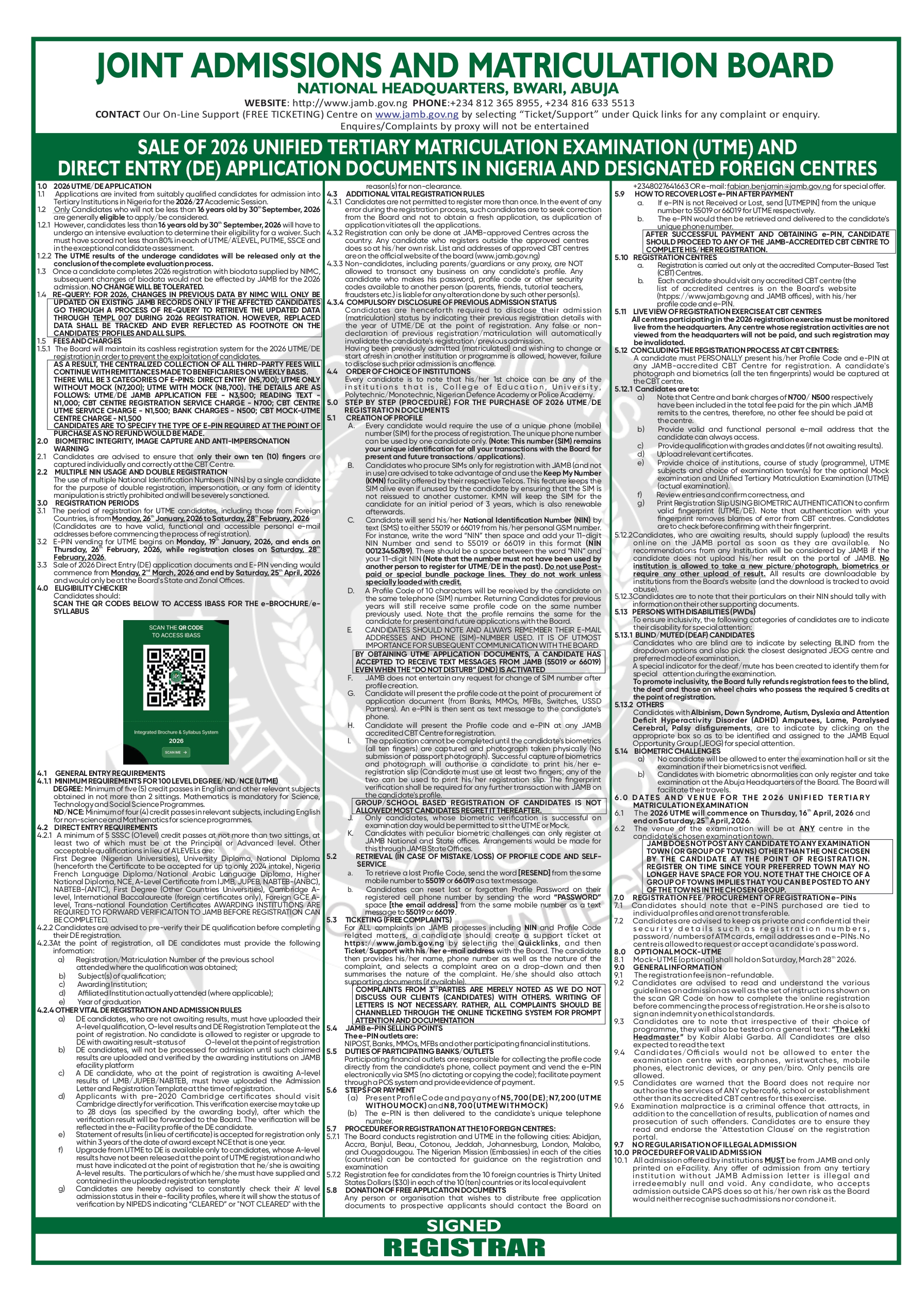
These interpretations reflect a long-standing theological framework within some evangelical traditions known as dispensationalism.
The Theology Behind the Interpretation
Dispensationalism divides human history into phases, or “dispensations,” through which God’s plan unfolds.


Goldman explains that churches embracing this worldview believe the current era is nearing its end and will be followed by a period of global suffering known as “Jacob’s tribulations.”
According to that belief:
“Israel is the place where they believe these tribulations will begin, and where they will culminate in Jesus’ Second Coming.”
This theological perspective places the Middle East—particularly Israel—at the center of what believers expect to be the final events of human history.
Christian Zionism and the Politics of Israel
The modern political expression of this theology is often described as Christian Zionism, a movement rooted in the biblical belief that God promised the land of Israel to the descendants of Abraham.
As Goldman notes, support for Israel among conservative Christians is deeply connected to that covenant.
“Christian Zionism refers to many Christians’ strong support for Israel, rooted in the biblical account of God’s covenant with the Hebrew people.”
Although the theological roots stretch back centuries, the movement gained significant political momentum after the 1967 Six-Day War, when Israel captured territories including East Jerusalem and the West Bank.
The war reshaped not only the geopolitical map but also religious imagination.
Israeli journalist Gershom Gorenberg, quoted in the analysis, described the moment this way:
“The Six Day War did more than create a new political and military map in the Middle East. It also changed the mythic map.”
For many evangelicals, Israel’s military victories appeared to confirm biblical prophecy.
From Theology to Popular Culture
By the late 20th century, apocalyptic interpretations of Middle Eastern politics had spread beyond churches into popular culture.
Goldman notes that the “Left Behind” series of novels, inspired by the Book of Revelation, sold more than 80 million copies, introducing millions of readers to narratives about the end of the world centered on Israel.
The September 11 attacks in 2001 further intensified this worldview among some conservative Christians, with several televangelists framing the global conflict with Islamist extremism in religious terms.
Growing Influence in Government Discourse
Today, critics say these religious interpretations are increasingly intersecting with political and military conversations in the United States.
The Military Religious Freedom Foundation, a watchdog organization, reported receiving more than 200 complaints from U.S. troops who said some commanders were framing the war with Iran as part of a divine plan.
Air Force veteran Mikey Weinstein, president of the organization, told reporters:
“Anytime Israel or the U.S. is involved in the Middle East, we get this stuff about Christian nationalists who’ve taken over our government, and certainly our U.S. military.”
While supporters argue that Christian Zionism simply reflects moral support for Israel, critics warn that interpreting modern conflicts through apocalyptic prophecy risks blending religion and state power in ways that could complicate diplomacy.
A Complex Intersection of Faith and Geopolitics
The intersection of theology and foreign policy is not new in American history, but the current Middle East conflict illustrates how deeply religious narratives can shape political interpretations.
For millions of believers, biblical prophecy provides a framework for understanding world events.
Yet wars are rarely driven by a single narrative.
They unfold through layers of strategy, ideology, history, and human decision-making.
As the Iran conflict evolves, the question remains whether prophetic interpretations will remain a matter of private faith—or continue influencing the language and imagination surrounding global politics.
— Newspot Nigeria