By Bukar Mohammed, Kano
The abduction of nearly 300 pupils and staff from St. Mary’s Catholic School in Papiri, Niger State, on November 21, 2025, shocked Nigeria to its core. Parents cried openly. Churches organized vigils. Government officials promised swift action.
A month later, on December 22, authorities announced what they described as a successful rescue.
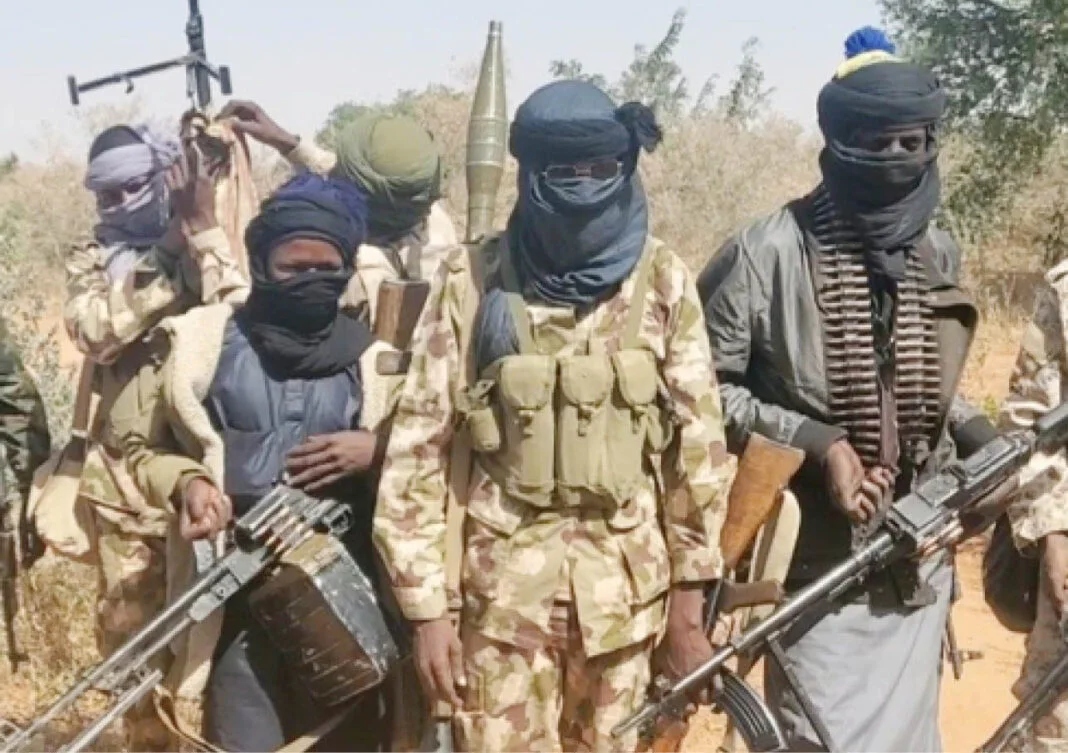
But a report by Agence France-Presse, AFP, later cited by the Foundation for Investigative Journalism, FIJ, and reported by this publication, has raised troubling questions about what may have happened behind the scenes. According to the report, Nigeria’s federal government allegedly paid ₦2 billion to Boko Haram and agreed to release militant commanders in exchange for the freedom of 230 pupils and staff.

If the claim is accurate, the implications are serious. One of the largest school abductions in recent years would have ended not through a decisive security operation but through a negotiated financial settlement with insurgents. That possibility raises difficult questions about Nigeria’s counterterrorism strategy, the handling of public funds, and the precedent such negotiations could create.




If the report is inaccurate, the situation still demands clarification. An allegation of this magnitude, left unanswered, risks spreading misinformation capable of weakening already fragile public trust in state institutions.
Nigeria deserves clarity.


According to AFP, citing intelligence sources, negotiations allegedly lasted about two weeks and were conducted through the Office of the National Security Adviser. Militants reportedly demanded $7 million, roughly ₦40 million per hostage. The report claims the final settlement was ₦2 billion, delivered in cash.
Sources quoted in the report say the money was transported by helicopter to Gwoza, Borno State, a long-standing stronghold of insurgent factions, and handed over to a commander identified as Ali Ngulde. Because of weak telecommunications coverage in the area, the commander reportedly crossed into Cameroon to confirm receipt before the first group of children was released.
Officials in the National Security Adviser’s office declined to comment when contacted. The State Security Service, SSS, reiterated its standard policy that Nigeria does not pay ransom to kidnappers.
The contrast between a categorical denial and the detailed operational narrative reported by AFP now fuels public skepticism.
Nigeria has long maintained that it does not negotiate financially with terrorists. Yet previous crises suggest the reality has sometimes been more complicated. Hostage situations in the past have involved prisoner exchanges, negotiations through intermediaries, or unexplained releases of detainees. Governments often choose quiet diplomacy rather than public disclosure.
If a ransom payment of ₦2 billion occurred in this case, several practical questions naturally arise. A payment of that scale requires a budgetary source, authorization, and logistical coordination. Helicopters require flight clearances and fuel records. Cash transfers of such magnitude typically leave administrative traces.
Transparency does not require revealing sensitive operational tactics. It does require enough clarity to sustain public confidence.
Another issue involves the allegation that militant commanders were released as part of the arrangement. If detainees connected to insurgent networks were freed in exchange for hostages, the legal basis for such a decision becomes important. Courts normally play a role in decisions involving detainees. Executive authority without judicial oversight raises constitutional concerns and could encourage future kidnappings if insurgent groups conclude that hostage taking leads to concessions.
Nigeria’s kidnapping crisis has expanded steadily over the past decade. From the Chibok abduction in 2014 to repeated mass kidnappings in Kaduna, Zamfara, and Niger States, ransom payments, whether made by families, communities, or authorities, have become embedded in the conflict economy.
Once armed groups believe that mass abductions generate large financial rewards, kidnapping becomes more than ideological terror. It becomes a structured revenue stream.
The timing of the St Mary’s incident has also drawn attention because it unfolded amid international scrutiny. During the crisis, U.S. President Donald Trump publicly accused militants in Nigeria of targeting Christians and warned that Washington was watching closely. Shortly afterward, reports emerged that the United States conducted airstrikes in Sokoto State.
Whether these developments were connected remains unclear. Intelligence gathered during hostage negotiations sometimes feeds into broader counterterrorism operations, but no official explanation has clarified whether these events were related or simply coincidental.
The absence of clear communication from Nigerian authorities has allowed speculation to spread.
In a democratic system, questions involving national security and public funds require careful but credible explanation. Governments do not disclose every operational detail during security operations. However, when serious allegations emerge from internationally respected media organizations, a measured response becomes necessary to preserve institutional trust.
A responsible response would include clarification on whether any ransom payment occurred, confirmation on whether detainees were released during negotiations, and explanation of the broader policy guiding Nigeria’s response to hostage crises. Parliamentary oversight or an independent review of security-related expenditures linked to the incident could also help address public concerns.
Nigeria faces difficult choices in confronting insurgency. Paying ransom may save lives in the immediate moment but can encourage future kidnappings. Refusing negotiations may protect deterrence but can leave families confronting unbearable loss. Governments across the world struggle with this dilemma.
Difficult decisions should not exist in a vacuum of silence.
The parents of the St Mary’s pupils deserve to understand what happened. The Nigerian public deserves clarity about how the state responds to terrorism. The international community observing events also needs assurance that Africa’s most populous democracy is confronting insurgency with a coherent strategy rather than reacting from crisis to crisis.
Silence under these circumstances becomes its own form of uncertainty, and uncertainty weakens trust.
Bukar Mohammed is a policy analyst and good governance advocate from Kano.