
By Newspot Nigeria Editorial Desk
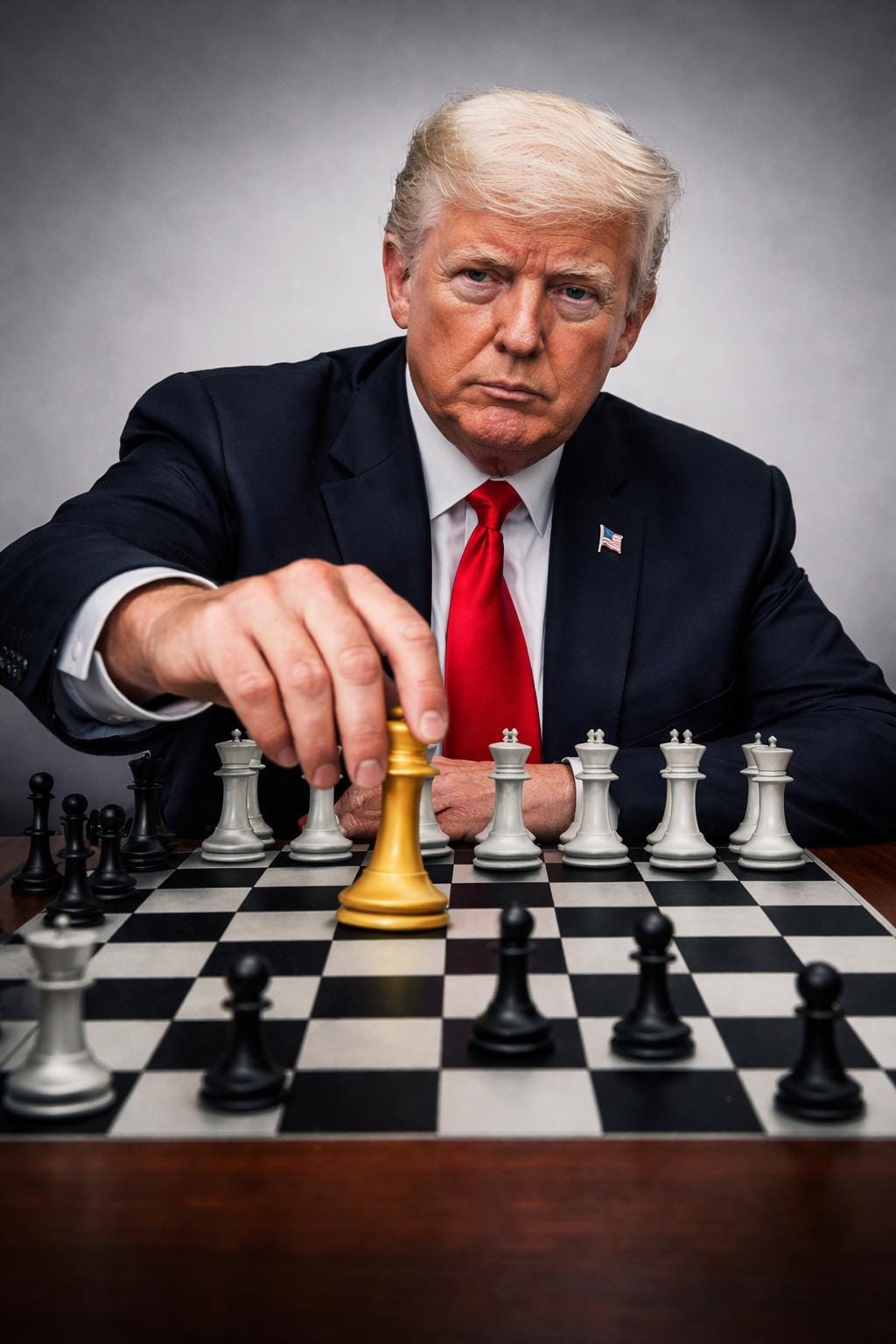
The image on TIME’s latest cover is simple but telling. Donald Trump, eyes fixed, hand hovering over a chessboard. It suggests calculation, not impulse. And that, more than anything else, explains the direction of his foreign policy.
Trump does not see the world as a community of shared values. He sees it as a field of competing interests. Countries are players. Power is leverage. And every relationship must justify its cost.
This is not new. But it is now clearer, sharper, and more unapologetic.

Deals Over Diplomacy
Under Trump, foreign policy is stripped of ceremony. Alliances are not moral obligations; they are arrangements. If an agreement no longer works for the United States, it is questioned, renegotiated, or abandoned.





The old language of “shared responsibility” matters less than outcomes. Who pays for security? Who benefits from trade? Who is carrying more than their share?
In Trump’s world, those questions come first.


Why He Keeps Everyone Guessing
What many describe as unpredictability is, in fact, part of the method. Trump rarely signals his final position early. He applies pressure, changes tone, escalates, then recalibrates.
This keeps allies uneasy and rivals cautious. It also forces negotiations onto terrain he prefers, fast, transactional, and personal.
Reassurance is not the goal. Advantage is.
Money as a Foreign Policy Tool
Military power still matters, but Trump leans heavily on economic weapons. Tariffs, sanctions, access to markets, and financial restrictions are used as bargaining chips.
Values take a back seat. Interests take the wheel.
This approach reshapes how countries interact with Washington. Moral arguments carry less weight. Strategic usefulness carries more.
Africa Is Not Exempt
For African countries, including Nigeria, this shift carries consequences.
Relationships based on history or goodwill will not be enough. Aid without results will face scrutiny. Security cooperation must show clear returns. Trade must be mutually beneficial—or at least convincingly so.
At the same time, this environment creates openings. Countries that understand their leverage, define their interests clearly, and negotiate firmly can still secure meaningful partnerships.
Trump’s America listens but only when there is something concrete on the table.
The Risks Are Real
This kind of foreign policy comes at a cost. Long-standing alliances can fray. Multilateral institutions weaken. Global cooperation becomes harder, especially on issues like climate change, migration, and public health.
Smaller countries may feel exposed. Stability may suffer.
But Trump accepts these risks. His belief is straightforward: strength, not sentiment, keeps the peace.
A Different Game, Same Board
The United States is not withdrawing from the world. It is engaging on new terms.
Trump’s foreign policy is less about shaping a global order and more about winning individual encounters. Less about promises. More about pressure.
The chessboard remains the same. The rules, however, have changed. And for countries watching from the sidelines, the message is unmistakably about knowing your value or getting played.
— Newspot Nigeria