

By Newspot Nigeria Global Desk
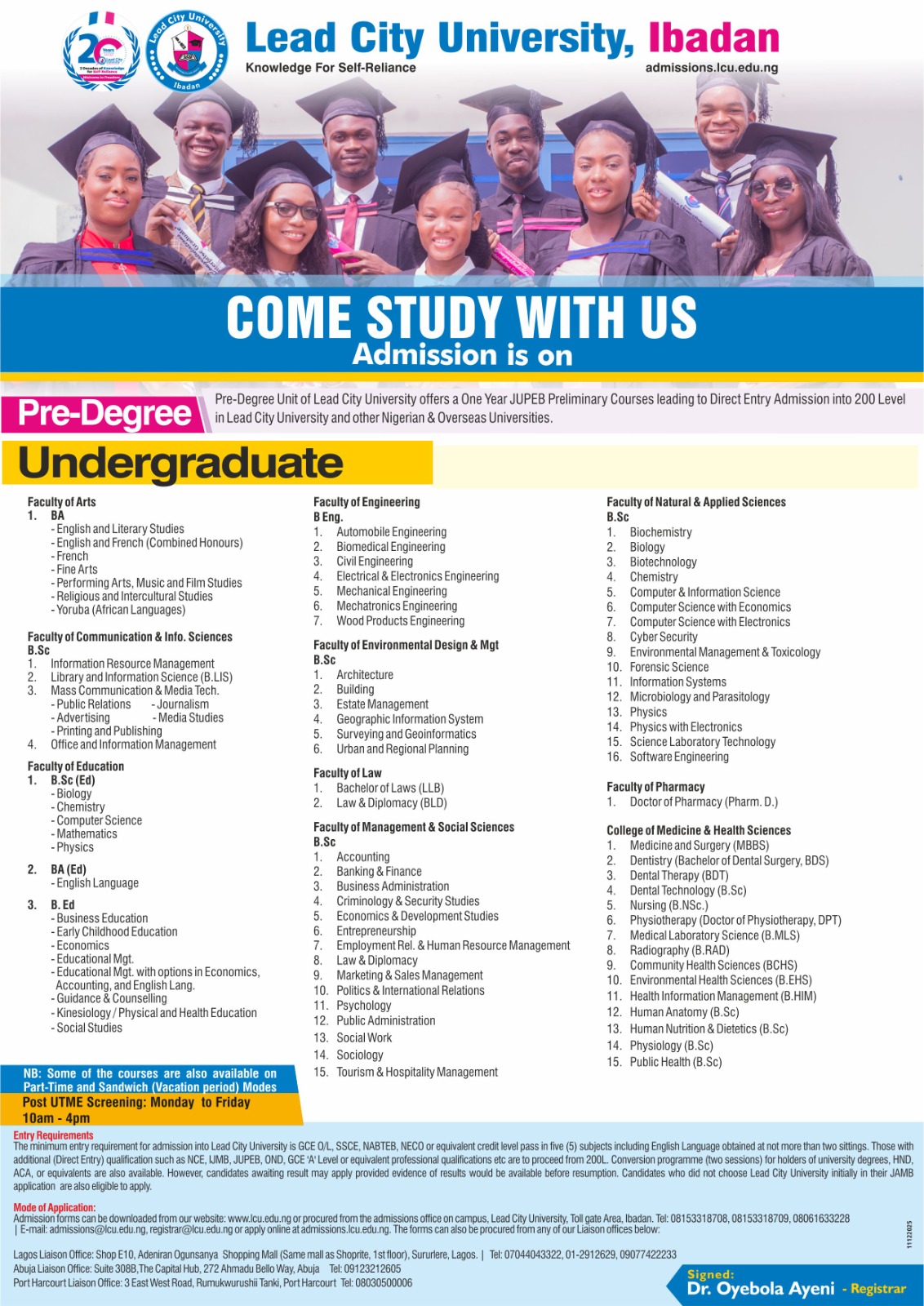
WASHINGTON, D.C. — A U.S. District Court judge on Thursday ruled that the Trump administration must facilitate the return of Venezuelan men who were deported last year under the 18th-century Alien Enemies Act, concluding that the government violated their constitutional due process rights by removing them without hearings.
Key Points from the Decision
- Return Facilitation: Chief U.S. District Judge James E. Boasberg ordered the government to provide boarding letters and pay air travel for deportees now in third countries who wish to return to the U.S. to challenge their deportations.
- Scope & Limits: The mandate mainly applies to those outside Venezuela. For men still in Venezuela, the government must file a report on the feasibility of their return by March 13.
- Legal Path: Returnees will be paroled into the United States, allowing them to pursue habeas corpus petitions and contest their gang-membership designations under U.S. law.
- Immigration Custody: The judge noted that those who return could be taken into immigration custody and may face future removal proceedings after their hearings conclude.
Background of the Case
In March 2025, the Trump administration utilized the Alien Enemies Act of 1798 — a wartime statute rarely used outside declared wars — to deport at least 137 Venezuelan men, accused of belonging to the Tren de Aragua criminal organisation, to a notorious prison in El Salvador without allowing them to contest the allegations in U.S. courts.
Judge Boasberg found that their constitutional rights to due process were violated because they were deported without any meaningful opportunity to challenge their removal or the basis for the charges.

Administration’s Response
The Trump administration has argued in past filings that the Alien Enemies Act and executive authority allow it to deport noncitizens without typical immigration court procedures, and may appeal the ruling.





Why It Matters
Legal experts say the ruling challenges the scope of presidential power in immigration enforcement and limits the use of centuries-old laws without basic procedural safeguards. Civil liberties advocates see the ruling as reinforcing the requirement that due process protections apply even in national-security-framed actions.
— Newspot Nigeria