By Olugbenga Adebamiwa
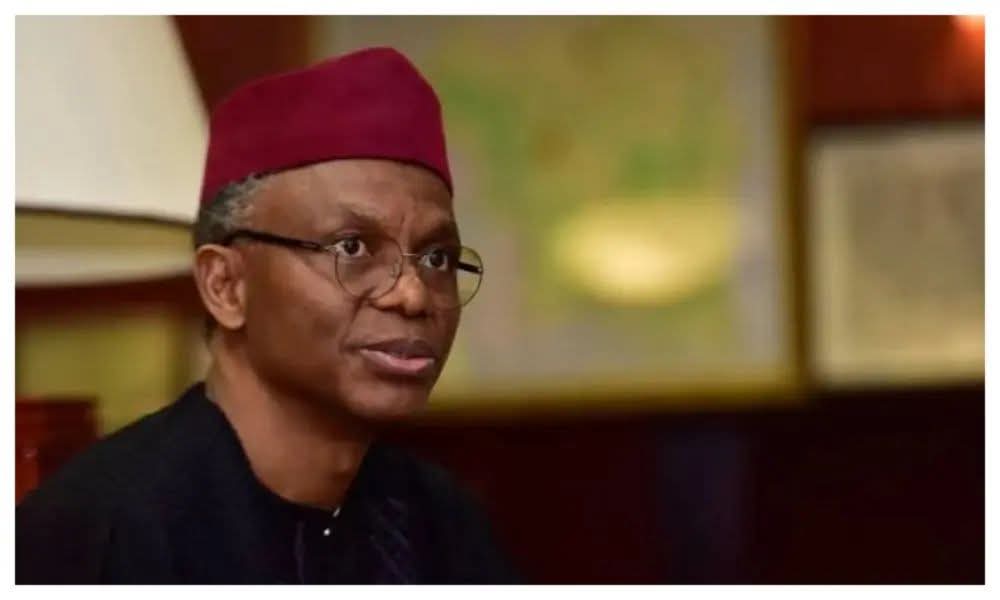
On February 12, 2026, former Kaduna State Governor Nasir El-Rufai returned to Nigeria via Egypt Air from Cairo, arriving at Nnamdi Azikiwe International Airport, Abuja. Shortly after landing, security operatives believed to be from the Economic and Financial Crimes Commission (EFCC) and other relevant agencies approached him in connection with an ongoing investigation reportedly linked to allegations requiring his response.
What followed has since generated considerable commentary. El-Rufai reportedly declined immediate compliance, requesting the presentation of formal documentation at that moment. In the brief tension that ensued, security personnel secured his international passport from an aide, while supporters present at the airport gathered, contributing to an already heightened atmosphere. Videos circulated online, capturing fragments of the exchange. Ultimately, he departed the airport without detention and proceeded to his Abuja residence.






However, stripped of the dramatization that often accompanies high-profile political developments, the incident reflects something more fundamental, the continued assertion of institutional authority in Nigeria’s anti-corruption architecture. The EFCC, as empowered by law, retains the mandate to investigate allegations of financial misconduct involving public officials past or present without fear or favor. Invitations for questioning, whether previously communicated or not, do not negate the agency’s operational discretion when circumstances demand direct engagement.


While El-Rufai’s legal team described the episode as an “unlawful attempted arrest” and referenced prior correspondence with the Commission, including a stated intention to appear voluntarily on February 16, the broader context remains clear. No public office holder is above scrutiny. Cooperation with lawful investigative processes is not optional, it is a civic obligation, particularly for individuals who have held significant executive authority over public resources.
Social media narratives have oscillated between claims of “resistance” and assertions of procedural impropriety. Yet such polarized interpretations risk obscuring the essential principle at stake, accountability strengthens democracy. Institutions must be allowed to function without intimidation, political pressure, or public theatrics. The mere fact that an investigation is underway does not imply guilt, but neither should scrutiny be misconstrued as persecution.
Nigeria’s democratic evolution depends not only on elections but on enforcement on the visible demonstration that the rule of law applies consistently across political lines. The airport encounter, though dramatic in optics, ultimately underscores the seriousness with which anti-corruption agencies are prepared to carry out their constitutional responsibilities.
In mature democracies, due process is not negotiated in airport terminals nor adjudicated on social media. It unfolds within legal frameworks, under institutional authority. As events continue to develop, what matters most is that all parties respect the investigative process and allow the law to take its full and impartial course.
©️ Adebamiwa Olugbenga Michael is a Lagos-based political economy analyst and publisher of The Insight Lens Project.