By Newspot Nigeria Politics Desk

A community leader in Osun State, Sola Fanawopo, has raised concerns over what he described as a deepening teacher shortage across public primary and secondary schools in the state, warning that the situation is threatening the future of basic education in many communities.
Fanawopo, who is the Chairman of the Igbajo Development Association, said several public schools are currently surviving only through community intervention, as government staffing levels remain insufficient to sustain effective teaching and learning.
According to him, local efforts have in some cases filled the gap left by years of under-recruitment, with communities stepping in to hire and pay teachers in order to prevent school closures.

He noted that while Osun is often described as an education-focused state, realities on the ground suggest a growing disconnect between reputation and actual learning conditions, especially outside major urban centres.





Providing figures to illustrate the imbalance, Fanawopo said Osun has 1,424 secondary schools, but only 489 are public, while 934 are privately owned. At the primary level, he said the gap is wider, with 1,378 public primary schools compared to more than 2,900 private nursery and primary schools across the state.
He explained that the dominance of private schools reflects declining confidence in public education, particularly in rural communities where staffing shortages are most severe.


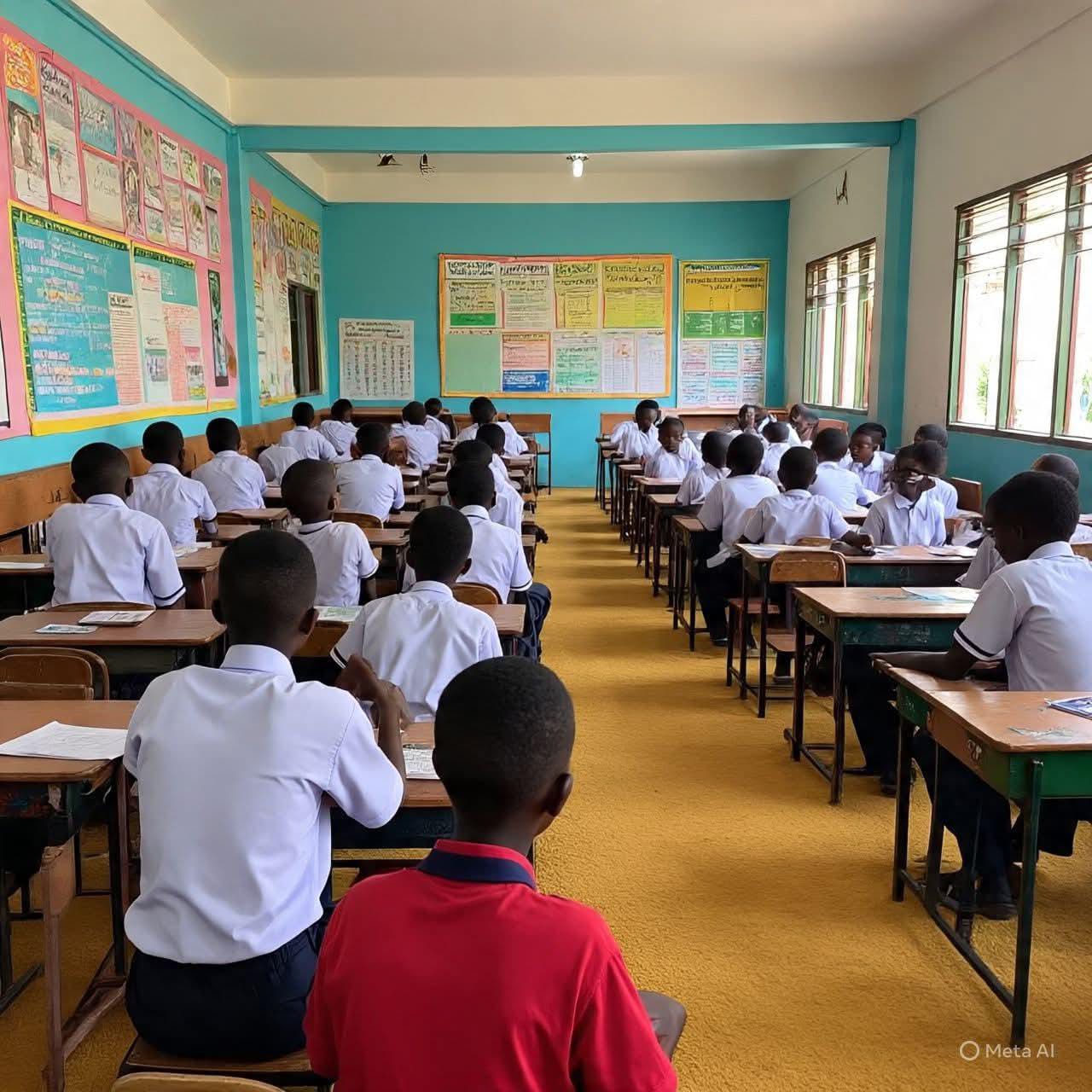
Fanawopo alleged that some public secondary schools currently operate with three teachers or fewer, while several primary schools are run by just two or three teachers handling multiple classes simultaneously.
Describing the situation as abandonment rather than inefficiency, he said grassroots assessments show that more than 1,000 public primary schools require at least six additional teachers each to function at a basic level. He added that over 400 public secondary schools would need ten or more teachers before meaningful teaching can take place.
The community leader stressed that the challenge did not begin under the current administration alone, noting that successive governments over the past two decades have failed to address teacher recruitment sustainably.
He also acknowledged that financial constraints remain a major obstacle, arguing that Osun’s heavy dependence on federal allocation has weakened its ability to fund education consistently.
According to Fanawopo, the teacher shortage is closely tied to the state’s economic structure, as limited internally generated revenue makes large-scale recruitment difficult to sustain.
With the 2026 governorship election approaching, he called on political actors to move beyond promises and clearly explain how economic growth plans would translate into stable funding for education.
He maintained that without long-term revenue reforms, public schools would continue to struggle, and educational inequality between urban and rural communities would widen further.
Fanawopo urged voters to interrogate candidates’ economic blueprints, insisting that meaningful education reform cannot occur without a viable financial foundation.
— Newspot Nigeria